Heather Morris
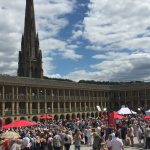
The weekend had been hot. In fact, for Northern England, specifically Calderdale, it had been a scorcher. Crowds of scantily clad people had descended on Hebden Bridge. Everyone wanted to sit in the sun, so unused are they to seeing this flaming ball high in the sky. Men tore off their shirts. Their skin, used to its normal coating of worsted and waterproofs, rebelled and assumed the colour of boiled lobster.
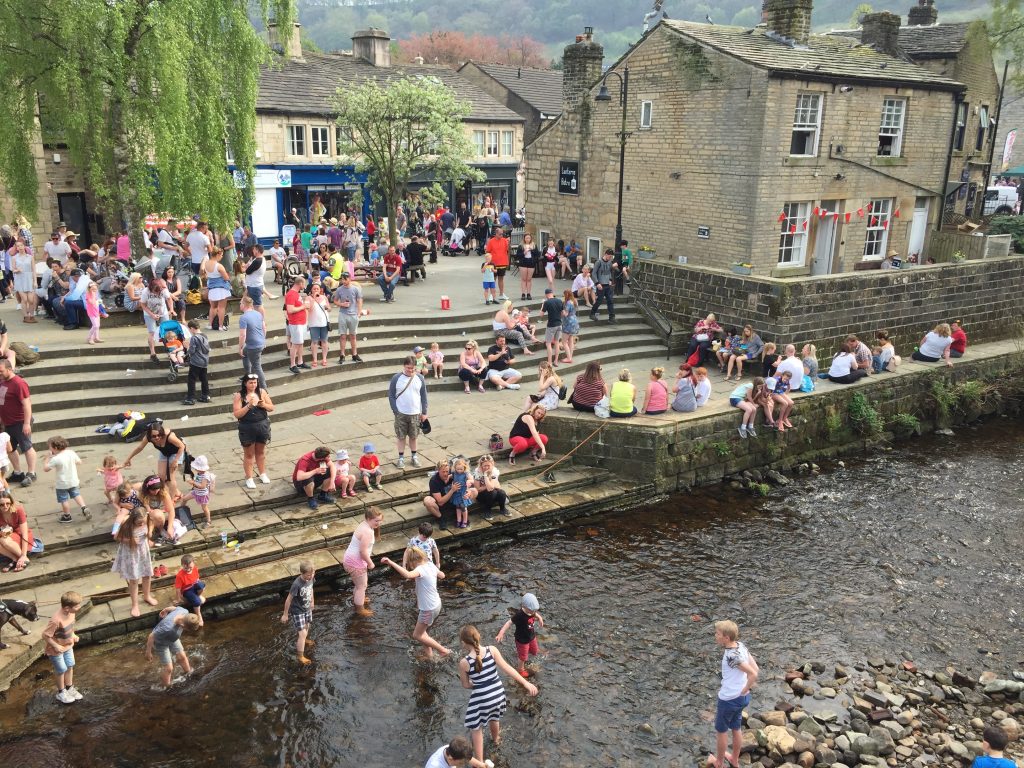
And STILL they sat in outside, in the full sun, outside the pubs in the town square. The womenfolk, chameleon-like, have shed their epidermis of boots, jeans, jumpers, jackets and beanies, where the only flesh visible is the tip of the proboscis, and now strut about like a tank -topped Barbie in cotton mini and heels. And what heels! Negotiating the cobbles, the stone steps, the pavements ‘under construction’ in these stilts is an art in itself – an art form that many have not yet conquered in the limited amount of sun-time available. Motorcyclists revved their engines at the traffic lights on Bridgegate. Convertibles raced down Crown Street, like cows let out to pasture for the first time after a winter in the barn, only to be halted in their progress by giant purple hippopotamuses, otherwise known as buses, slowly and pedantically negotiating their way around the line of people queuing at the Royd’s ices van, and spilling onto the road like melted 99s.
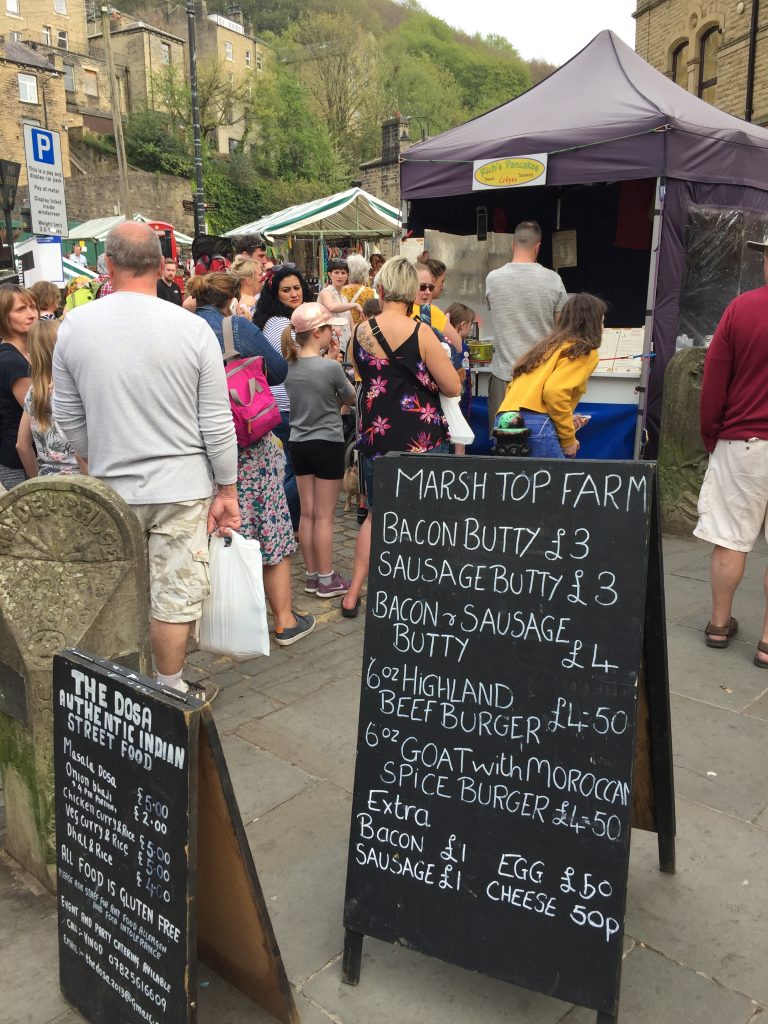
Faced with this scene from my favourite perch in my new apartment I opted for a weekend out of town. No, not a weekend mini break to some equally packed city but a chance to spend time on the moors above Calderdale. But I decided to spend part of Easter Monday on a trip to Todmorden, 20 minutes by bus, and hunt for houses my ancestors had lived in. I now have over 8000 people in my family tree but Ancestry.com doesn’t provide a way to search your tree by place, so I’ve started to make my own list based on places rather than names. I’d found 8 addresses in Todmorden where my relatives had lived so this seemed a good day for Ancestor Hunting.
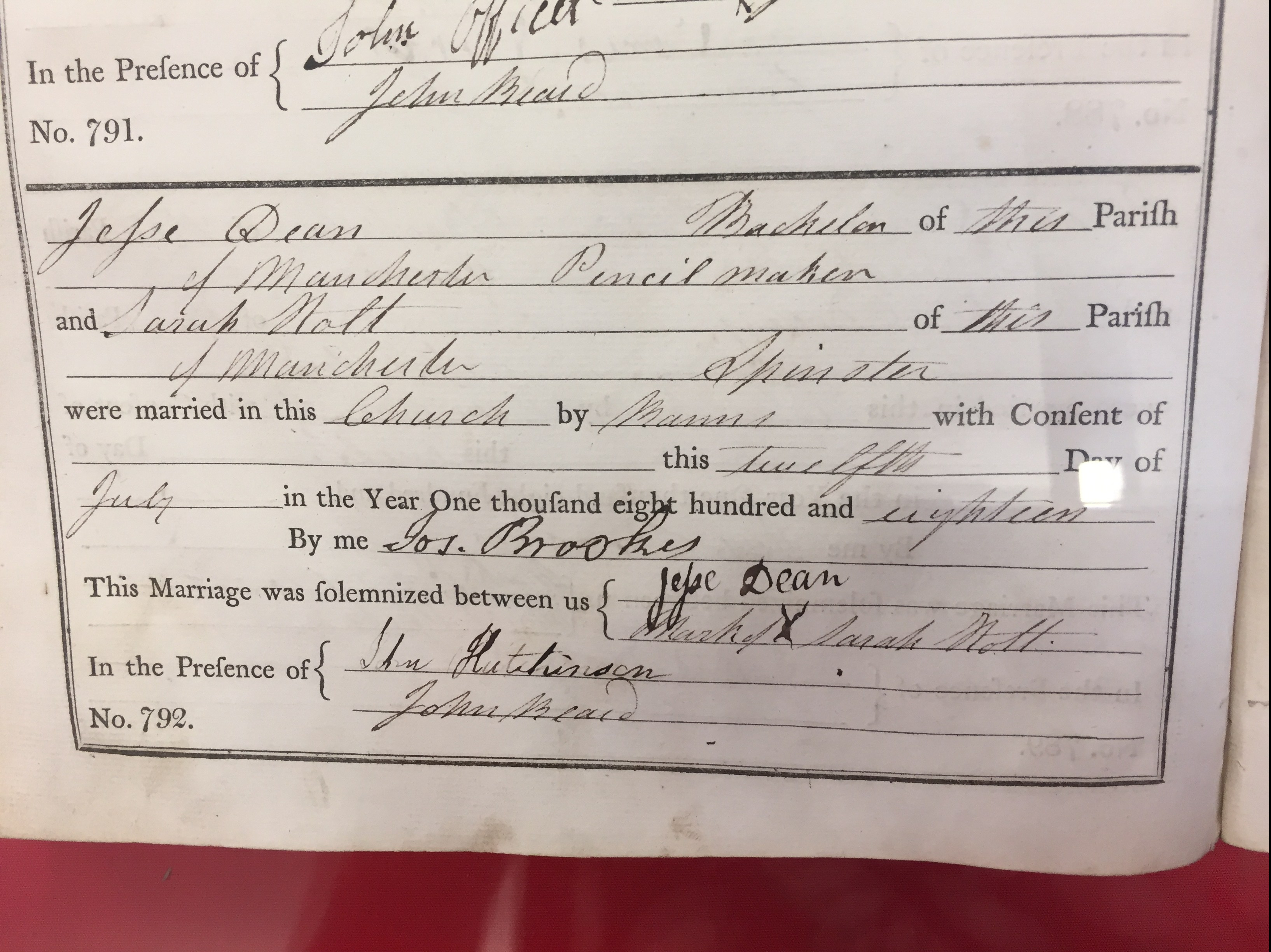
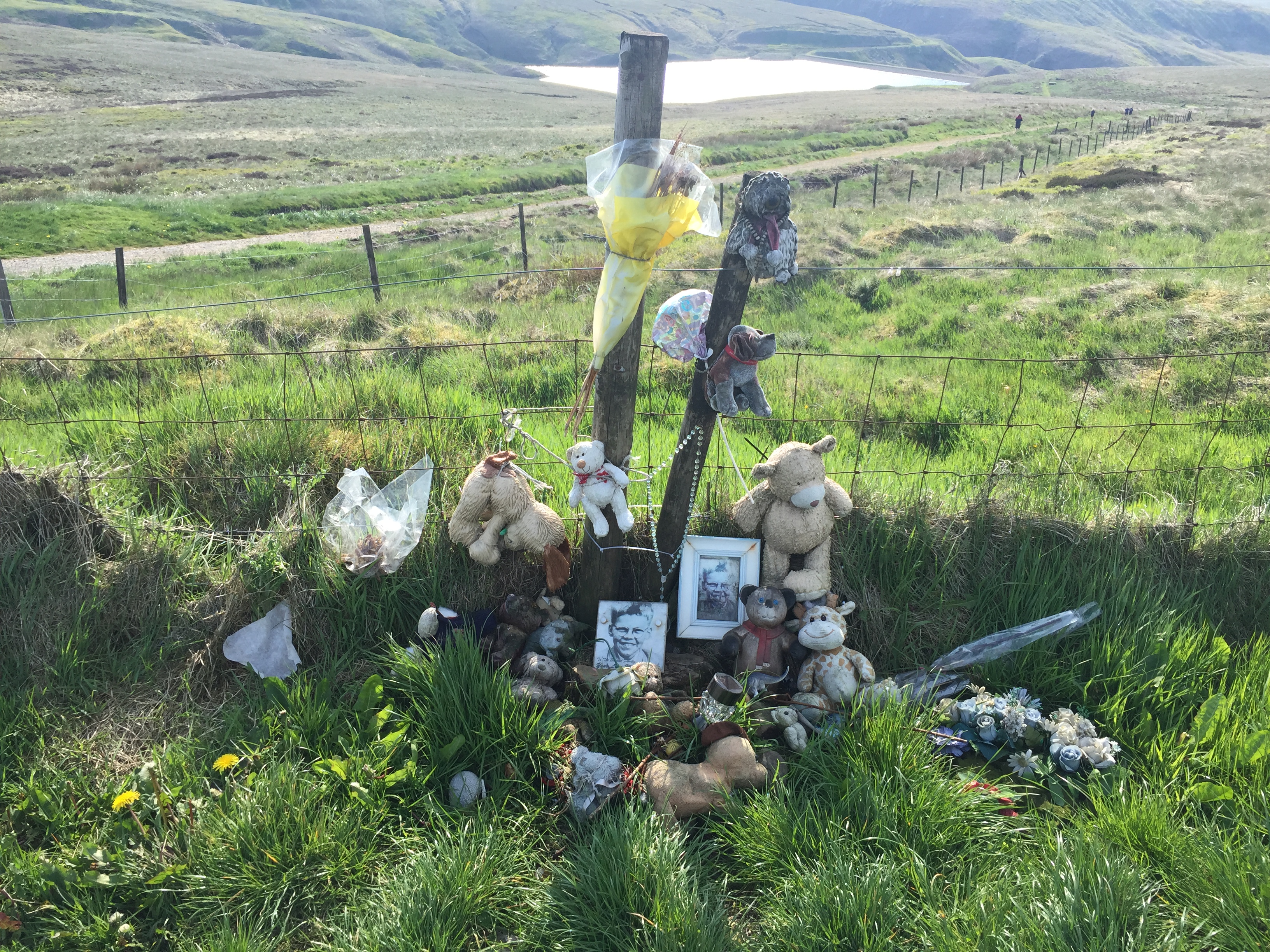
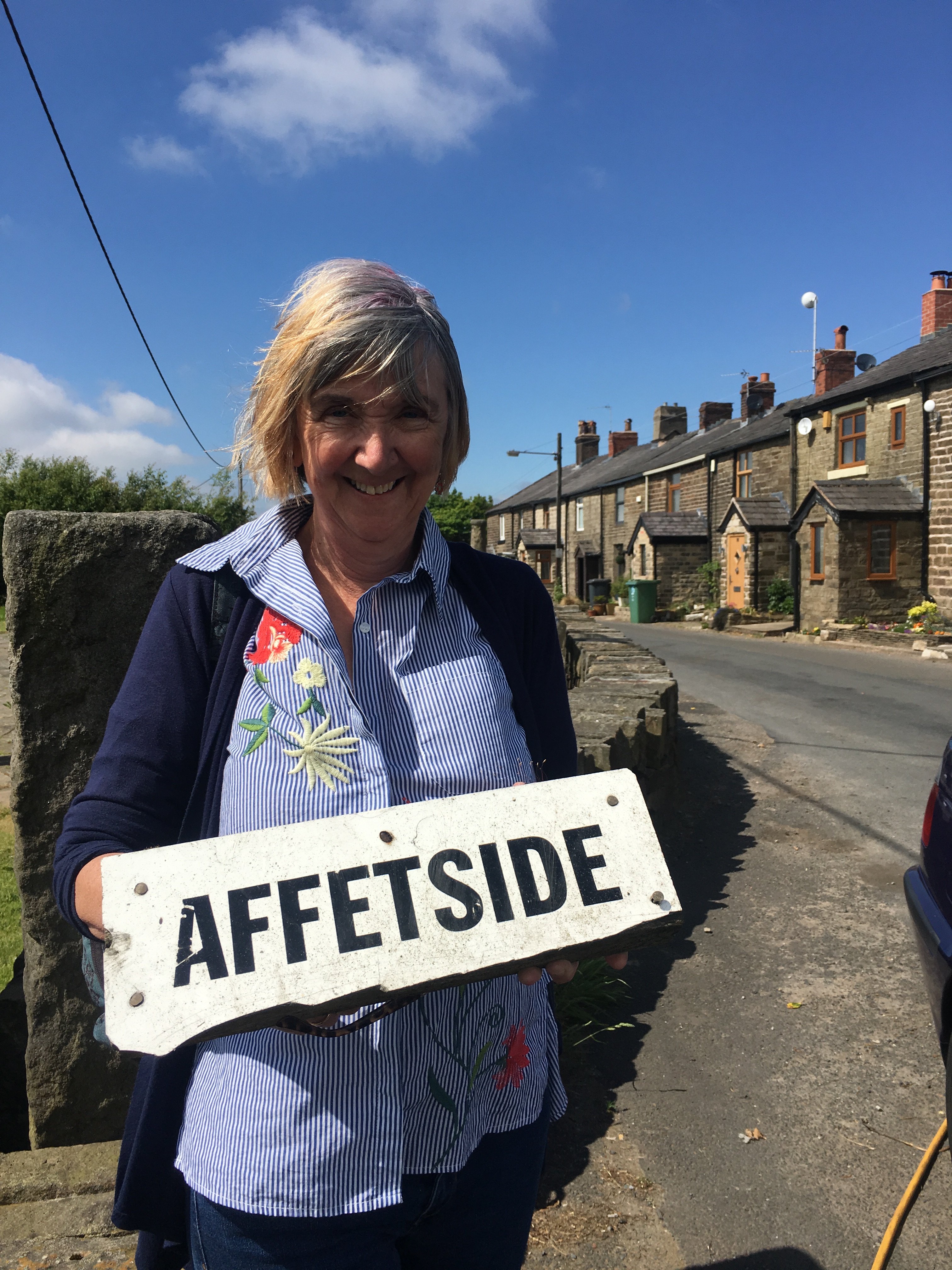
My first address was on Pitt Street, a street running at right angles to Burnley Road, on the East side of the town centre. Number 17 had been, in 1891 and 1901, the home of my great great great aunt, Sarah Duckworth, nee Wrigley, and her husband George, a labourer in a cotton mill. They had married in 1873 at Heptonstall church, on April the 12th. I wondered, idly, if it had been such a warm day as today for their wedding. George had been born in Rawtenstall in Lancashire, one of my mum’s favourite place for a ‘run out’ in the car and I’d been there with Rachel on our famous, or should I say, infamous, Irwell valley sculpture trail! The stone terrace was typical of the mill workers’ houses. Part of the terrace has been demolished, number 17 having gone, but as I paused to take a photo of the street sign a man came out of the first house. I told him my story and he related to me the story of a young child who, in 1963, disappeared from outside her home, number 1, and was found much later beneath the ice in the frozen canal. The canal is close to Pitt Street but she couldn’t have walked so far by herself. Perhaps I can find the story in a local newspaper.
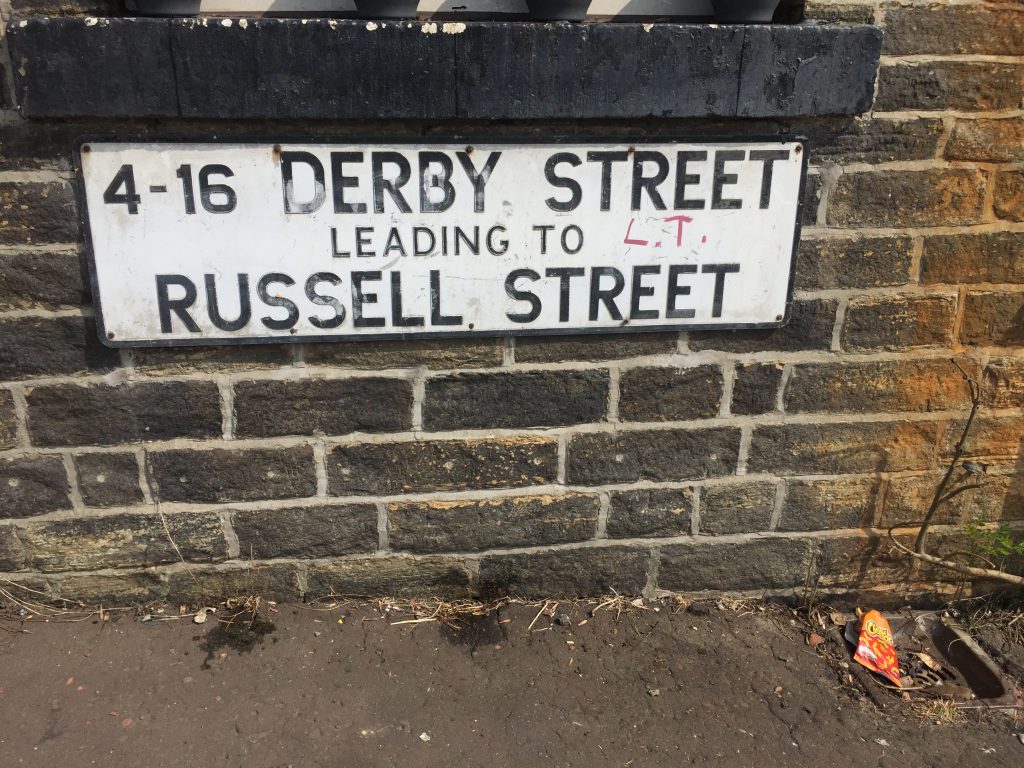
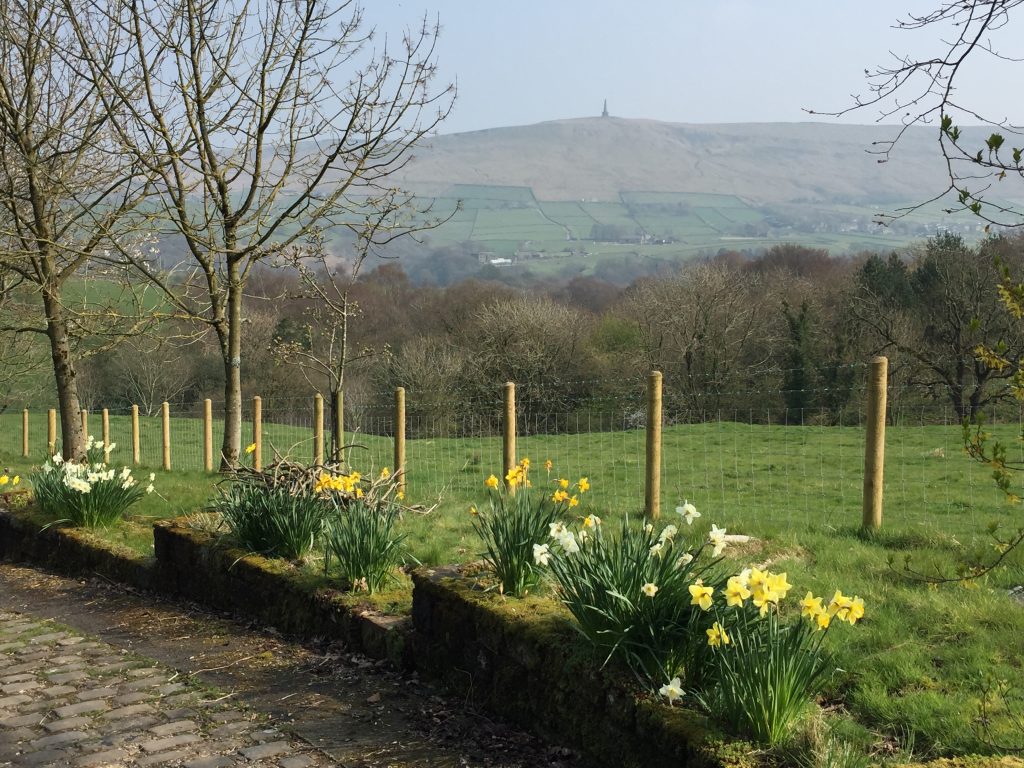
A couple of streets away was Derby Street where the Duckworths were living in 1881 prior to their move to Pitt Street. The houses were identical but I did notice that from their back yards there was a good view of Stoodley Pike. Derby Street led to Russell Street which has been completely rebuilt. In 1881 Eliza Wrigley, my first cousin 4 times removed was a cotton weaver. She’d been born in Hebden Bridge and baptized in Heptonstall. Now, at the age of 33 she was living with her cousin, John Bowden, a warehouse man, and his wife, Mary, a sticker of pieces.
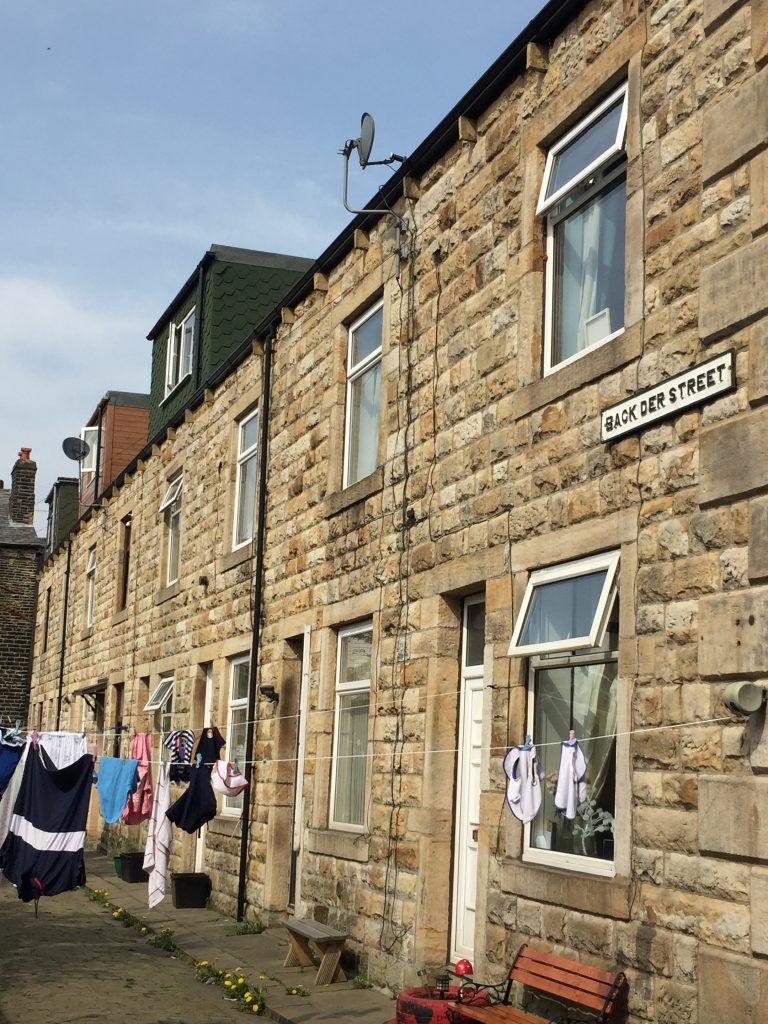
The next street was Back Der Street where Eliza had moved to and was living in 1891, 1901, with her cousin Mary. Probably John had died. Mary is now a charwoman, a drop in status, but at 60 she’d probably had enough of mill work. I’d presumed at Back Der Street would have been a back-to-back house with Der Street, but no, the houses on both streets have both front and back doors. Derlane Mill was at the bottom of the street. 1911 sees Eliza, still single, living alone at 9 Der Street and her occupation is a cotton hank winder. She died two years later.
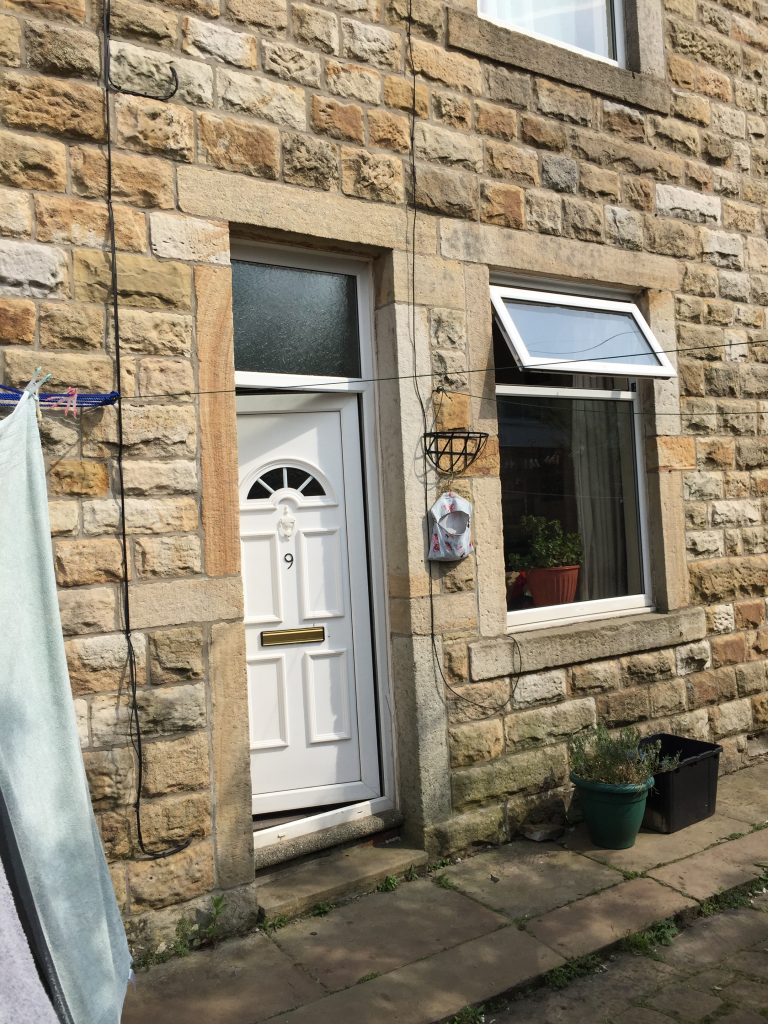
Derdale Mill, built in 1861, was another attempt at co-operative manufacturing under the management of the Todmorden (Derdale) Cotton and Commercial Company. The rearing party was held in April 1862, but by November 1869, the Company was bankrupt. The shareholders held an extraordinary general meeting in Sobriety Hall where it was resolved to wind up the concern. This was probably as a direct result of the Cotton Panic caused by the American Civil War, resulting in a severe downturn in trade for all cotton manufacturing businesses. On 9th February 1870, Caleb Hoyle and Henry Maden of Rockcliffe House, Bacup, purchased the mill for £9,120. The mill was safe, and continued in the production of textiles until about 1996.
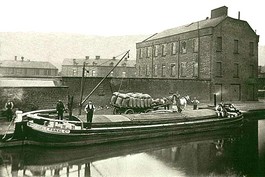
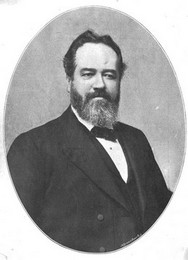
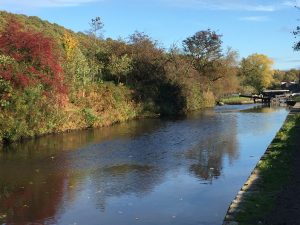
The next place on my list was (number deleted for privacy) Thorn Place. I had to cross the Rochdale Canal to get to Kilnhirst Road.
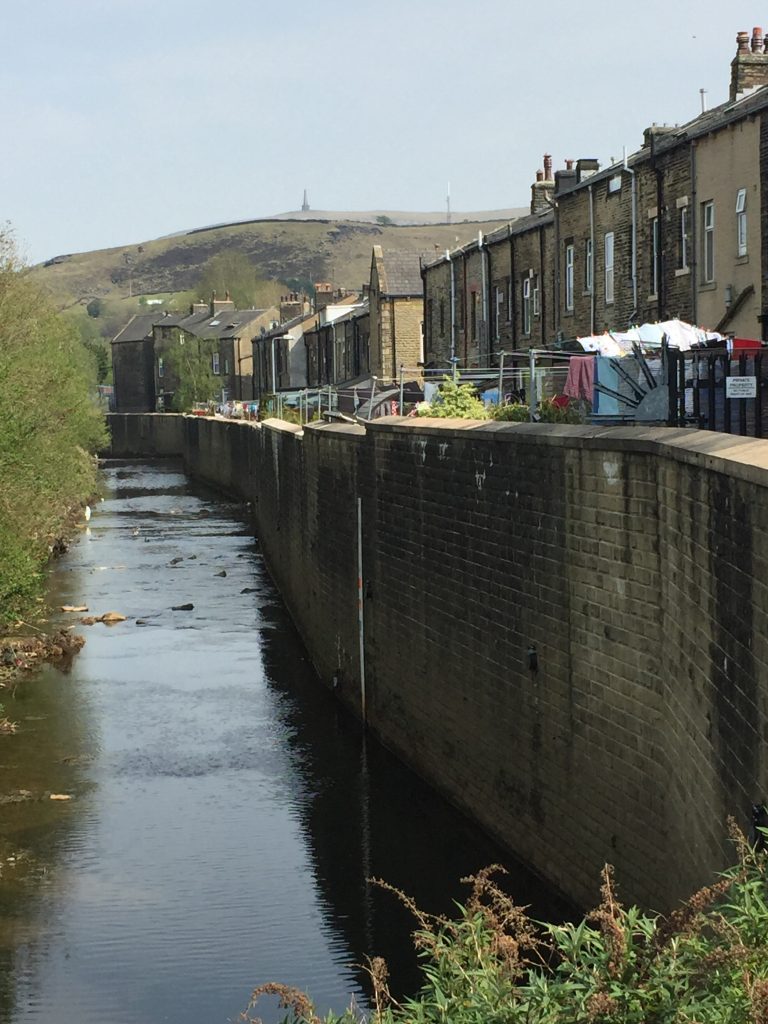
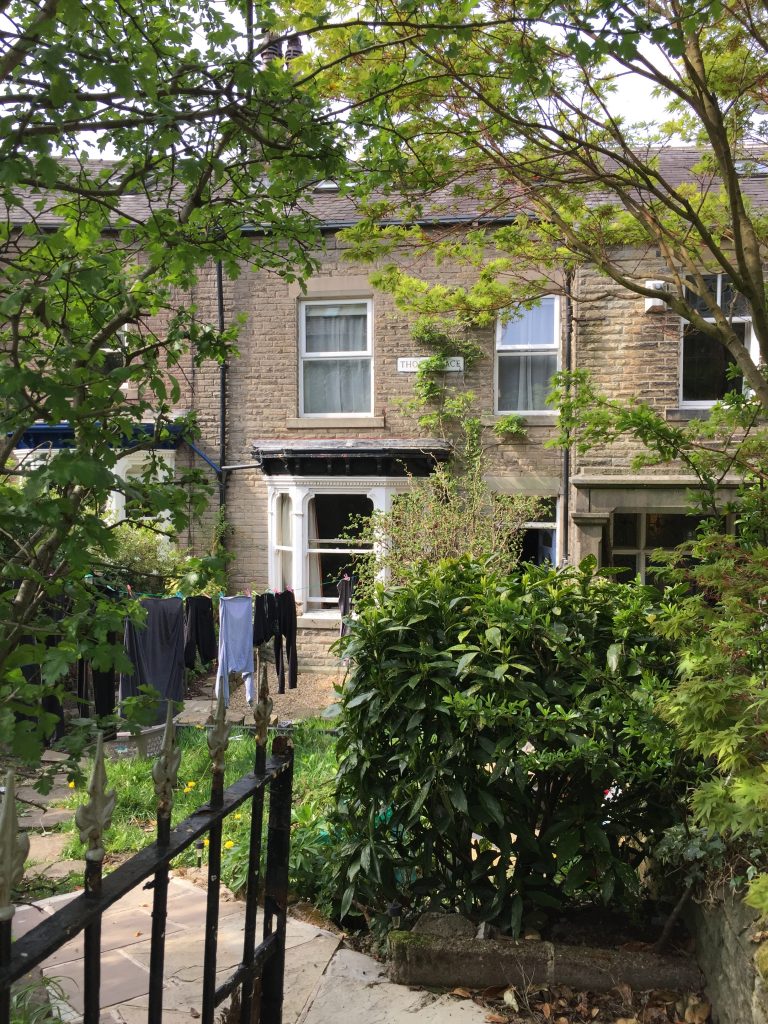
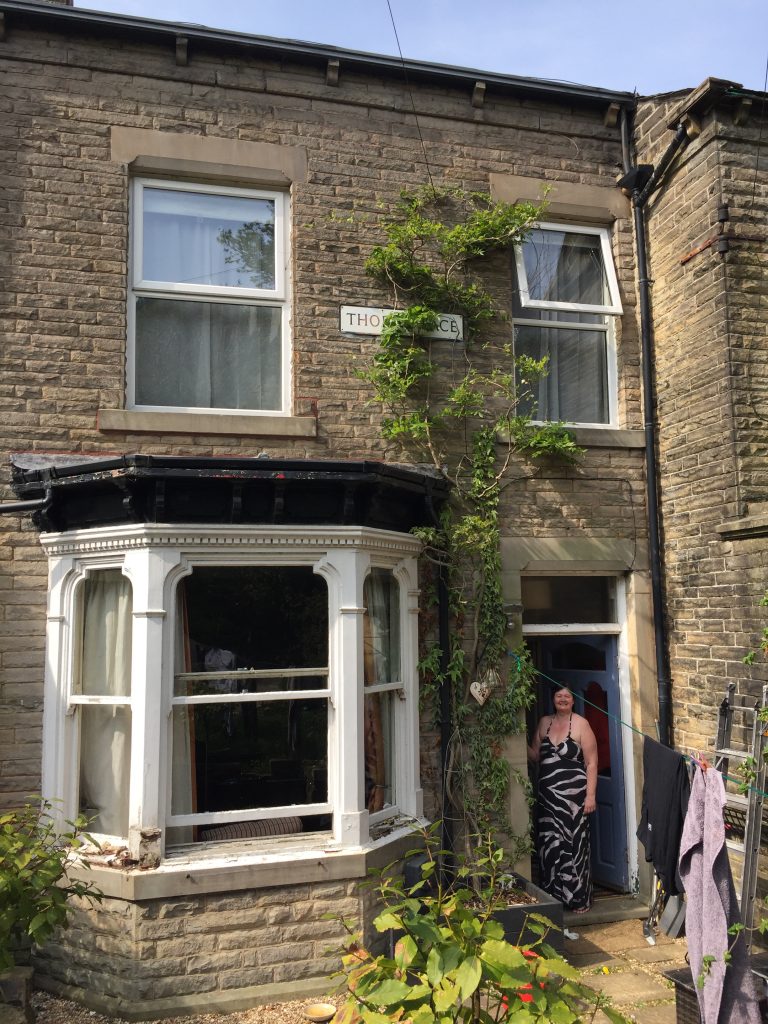
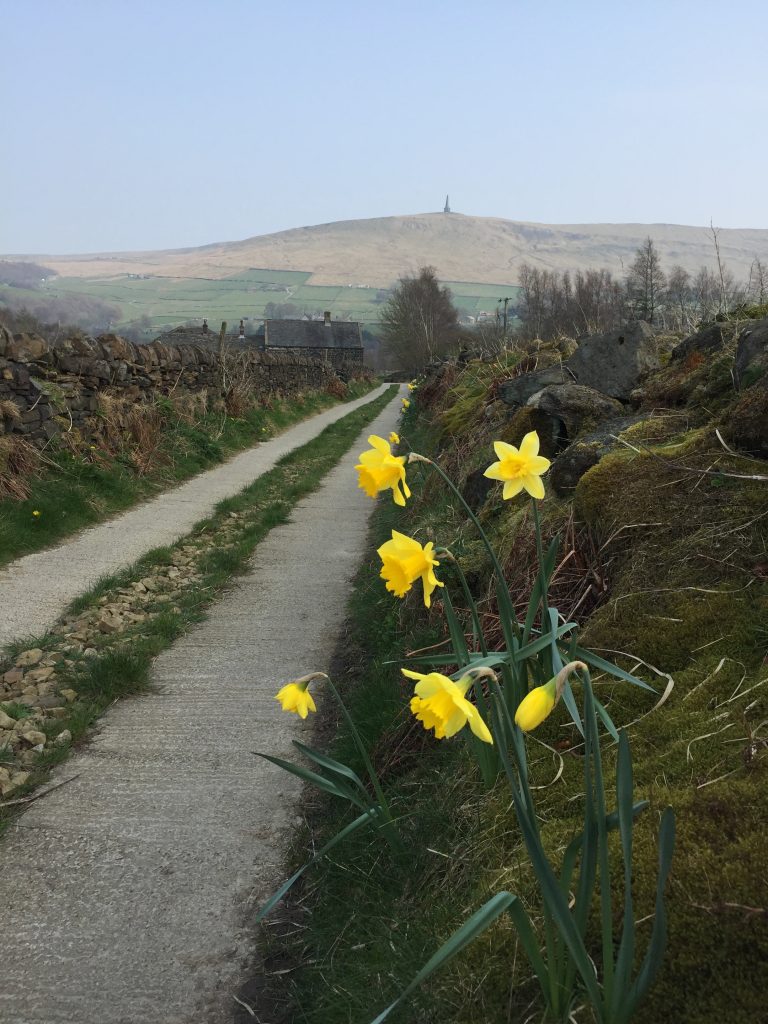
I’d never been to this part of Todmorden before, under Stoodley Pike. It’s quite lovely – away from the busy Burnley Road, and very green and leafy. I was in search of the home of Ethel feel, nee Wrigley, who lived there from 1930 until her death in 1963. At first I couldn’t find the street. A street sign seemed to be quite misleading, taking me to the back door, but two helpful window cleaners came to my rescue. I told them my story and they asked if I was looking for a part in a play. ??? Apparently a ‘high up man at the Todmorden Hippodrome” lives in Thorn Place. They encouraged me to knock on the door on number 1 telling me that they knew which numbers had ‘nice people’ behind them – and which didn’t! The lowest house on the steep slope was built by the builder of the rest of the terrace, after he had completed his street. I eventually located the front of the street all of which had large front garden, unlike the mill workers’ cottages on Pitt and Derby street. This was obviously a step up. The garden looked lovely on this sunny day, and the front door was slightly ajar. I was grateful for the advice the window cleaners had given me asI called “Hello” and knocked on the door. A lady appeared and on telling my story she immediately invited me in. The interior decor felt as if it was something from a stage set. It was a lovely period piece with all the trimmings of the fireplace, the bay window, anaglypta, cornices and picture rail. She told me that the house had been built around 1910 and she’d lived in it for 20 years. Coming from the streets around Pitt and Der it had indeed been a step up. Her mother, who had lived next door may have known Ethel Seel, and she’d contact me if so. Ethel, my 3rd cousin, 2x removed, had been born in 1898 in Hebden Bridge. Her mother, who died when Ethel was 6, had been buried at Crosslanes Chapel. Aged 24 she married Gilbert Riley Steel, a bank clerk, at Cross Lanes chapel. I have other Wrigley ancestors buried there. They had one daughter, Elinor M. and Ethel was buried at Christ Church, Todmorden Jan 3, 1964.
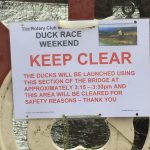
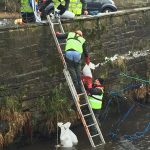
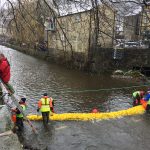
Heading towards the town I passed Myrtle Street, Dale Street, Brook Street and Roomfield Lane where other ancestors lived but where the actual terraces have been demolished. Returning to Hebden Bridge the annual duck race had just finished – a fundraiser where you pay for a plastic duck and then all the ducks are thrown into Hebden Water and the first duck to reach the finish line wins the lucky owner a trip to somewhere or other! Crowds of people were heading to find the nearest pint after all that excitement in the sun. I headed back to my place and viewed it all from my eyrie while sipping a nice cup of Darjeeling.
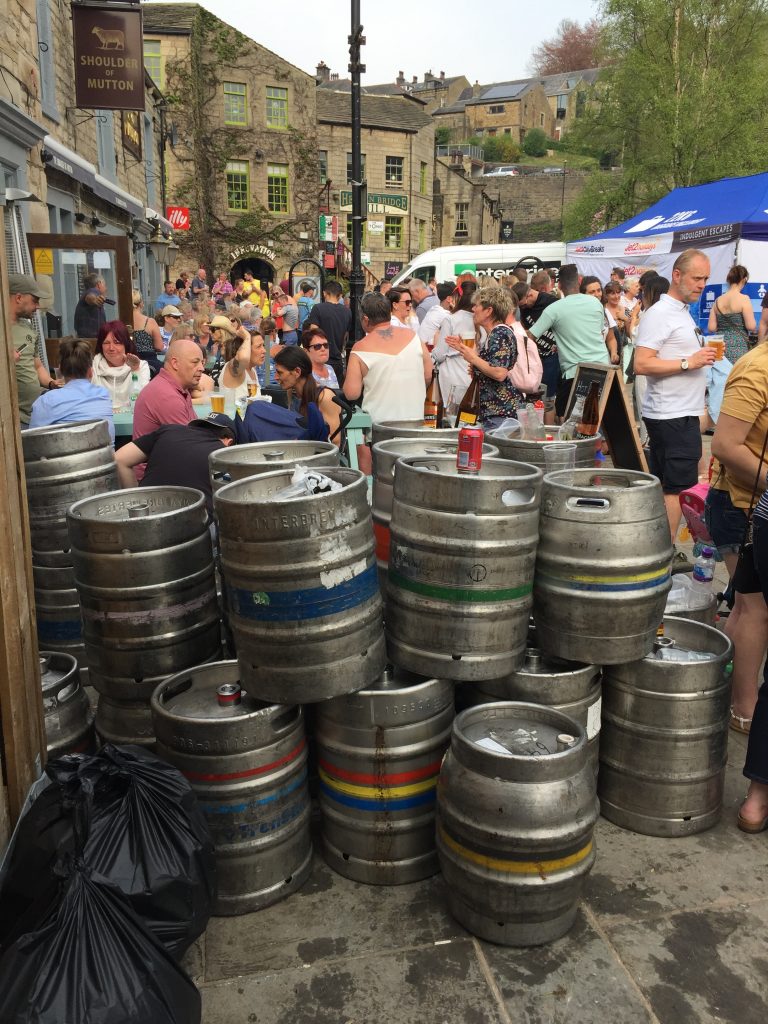
Back in Hebden – Shoudler of Mutton 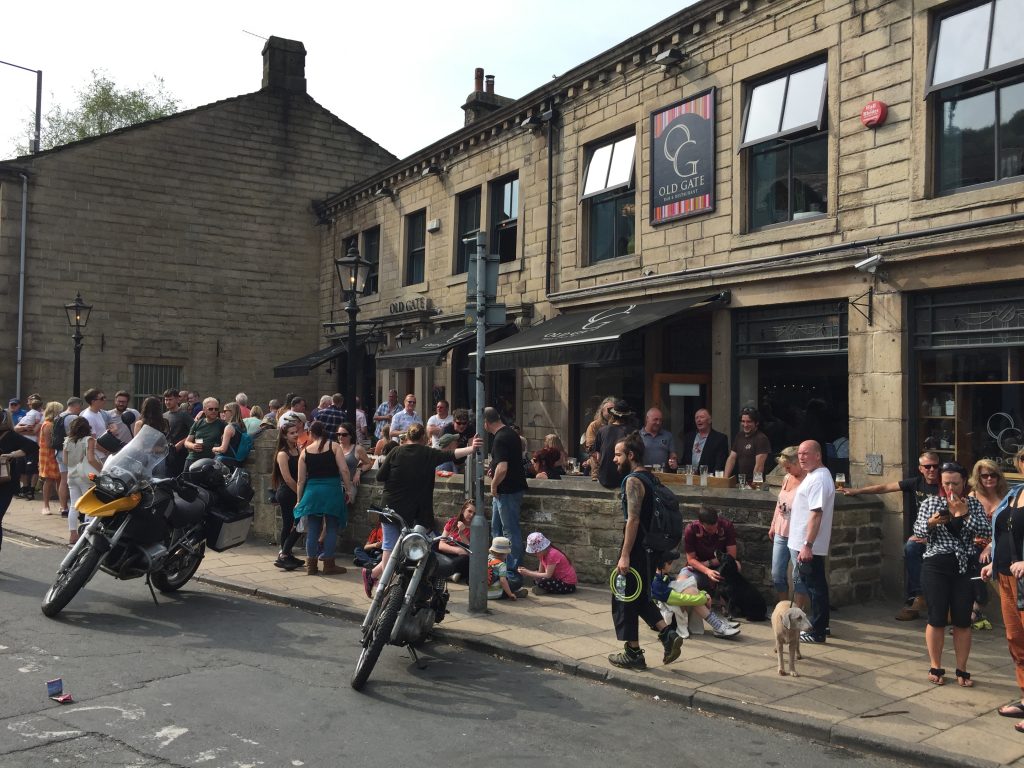
Old Gate
Update: I did, in fact, find newspaper references to the the little girl who went missing:
Snow Hampers Hunt
Todmorden Times Feb15, 1969
Police mounted a massive house-to-house check in Todmorden to-day in an effort to trace three-year old Dawn Fielder missing from her Derby Street home since Thursday afternoon. More than 100 men and women from the West Yorkshire police reported to Todmorden police station early to-day. Scores of civilians from a wide area around Todmorden were calling at the Burnley Road station to day to offer their services. More than five inches of snow fell during the night and the whole area is now covered with a thick blanket of snow. “The snow has made things difficult.” said a senior police officer to-day. ” But we shall continue to use parties of volunteers to go over the whole area again.” Throughout yesterday and last night the control centre at Todmorden was kept busy dealing with reports that Dawn had been seen. But checks have failed to confirm any reports Dawn was last seen in Pitt Street, just 40 yards from her home, at 4 o’clock on Thursday by her grandfather, Mr. Fred Harcourt.
Feb 17
Dawn The search for three years-old Dawn Louis Fielder, who has bees missing since Thursday from her home In Russel Street, Todmorden, was resumed to-day. More than 100 strong volunteers and police—set off early to-day to mane the search. Some will concentrate on house -to – house inquiries, while others check the banks of the hale-long canal which runs through the centre of Todmorden. A police spokesman at Todmorden said to-day: “The searcher are keen and we are still hoping the girl will be found alive.” The spokesman said they were unable to use police skin-divers to search the canal because of a four-inch thick layer of ice.
March 6
MISSING GIRL, 3, DEAD IN CANAL Three – year – old Dawn Fielder, who has been missing since February 13, was found dead yesterday in a canal 200 yards from her home at Todmorden, Yorks. Police said last night that crime is not suspected.


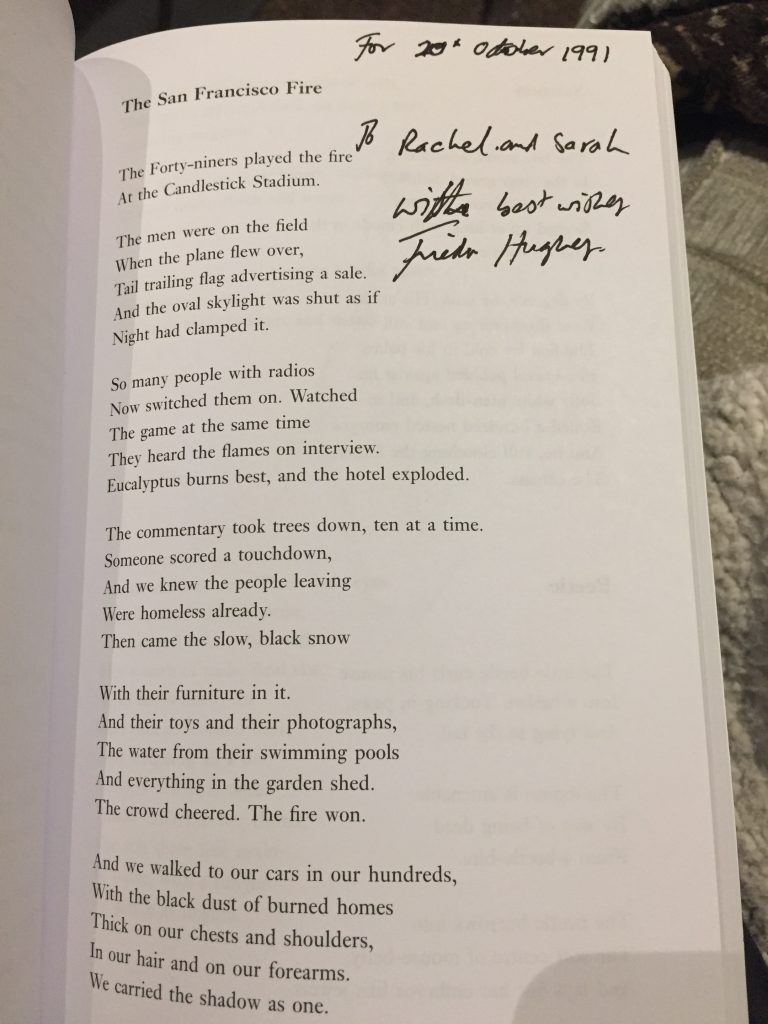
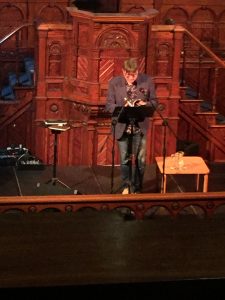
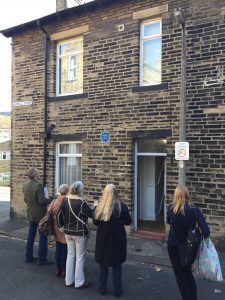
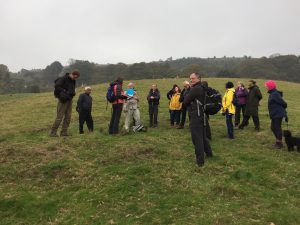
 I found it rather uncanny to hear a recording of Hughes himself reading a poem about the room we were sitting in. We were able to see the view from his room of Scout Rock, and see the site of Zion chapel which dominated the street, cutting out all light from Ted’s window.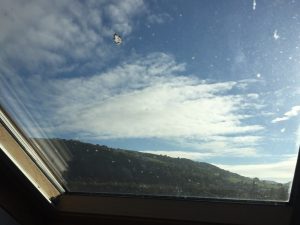
 r
r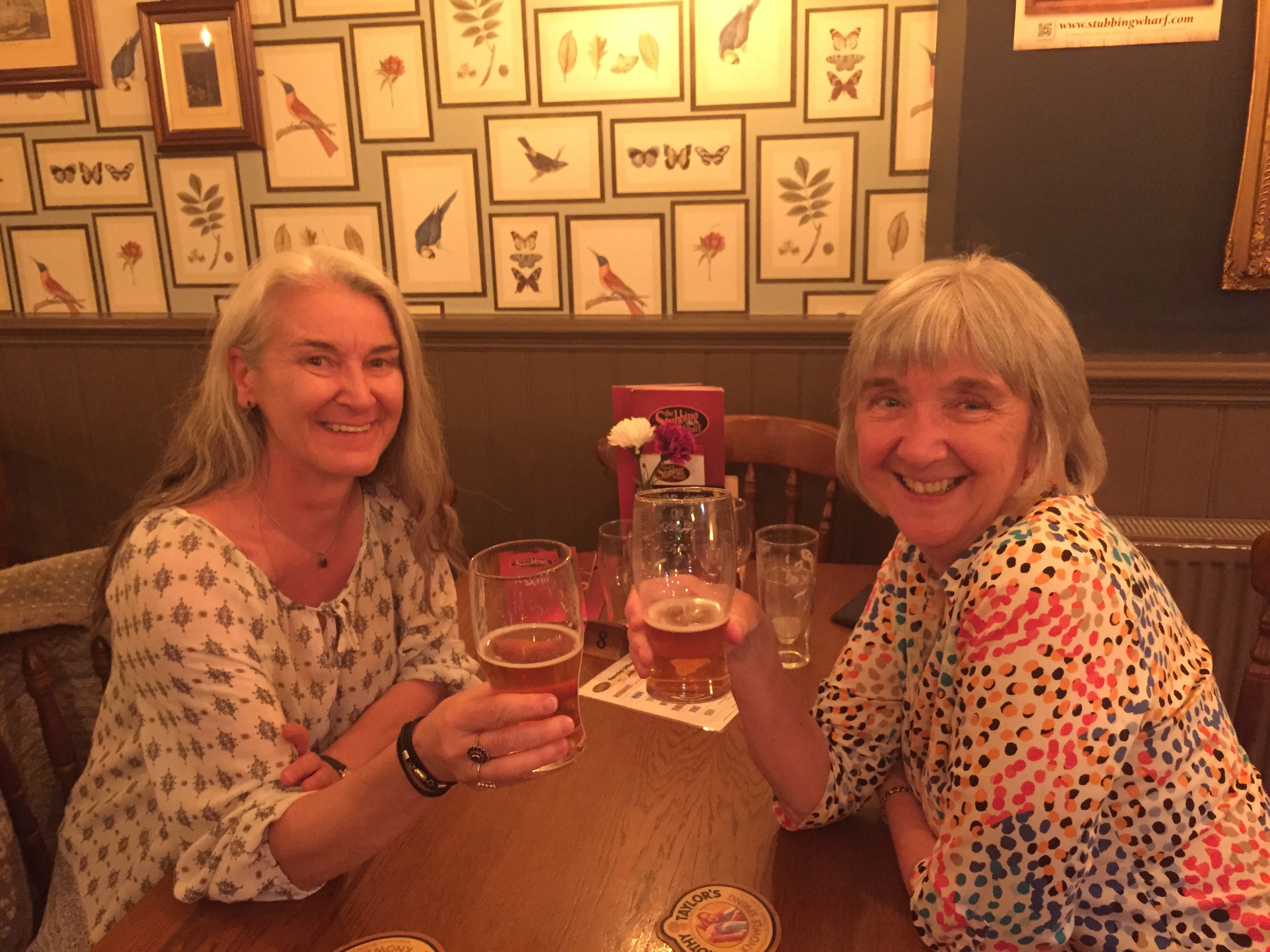

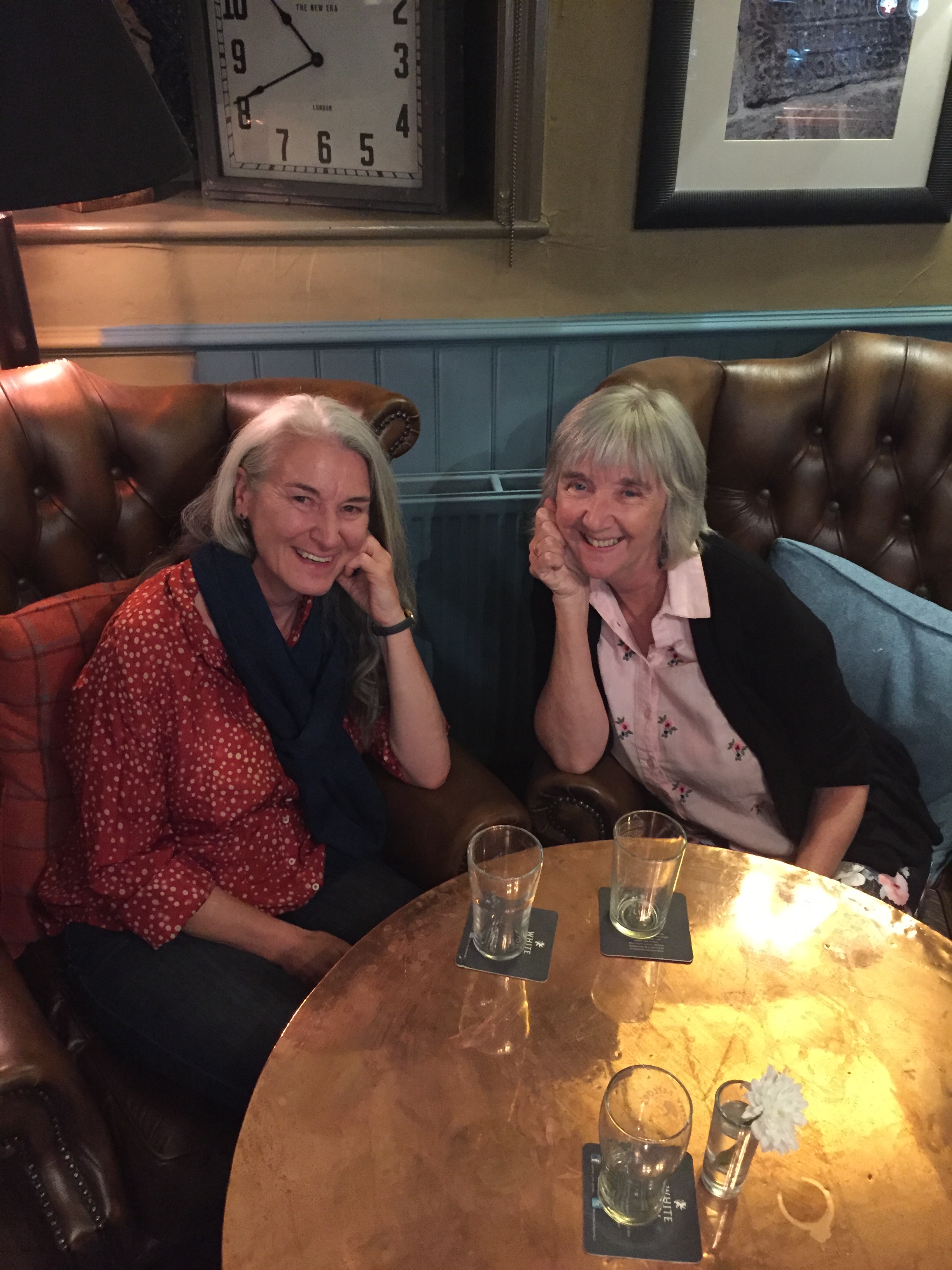
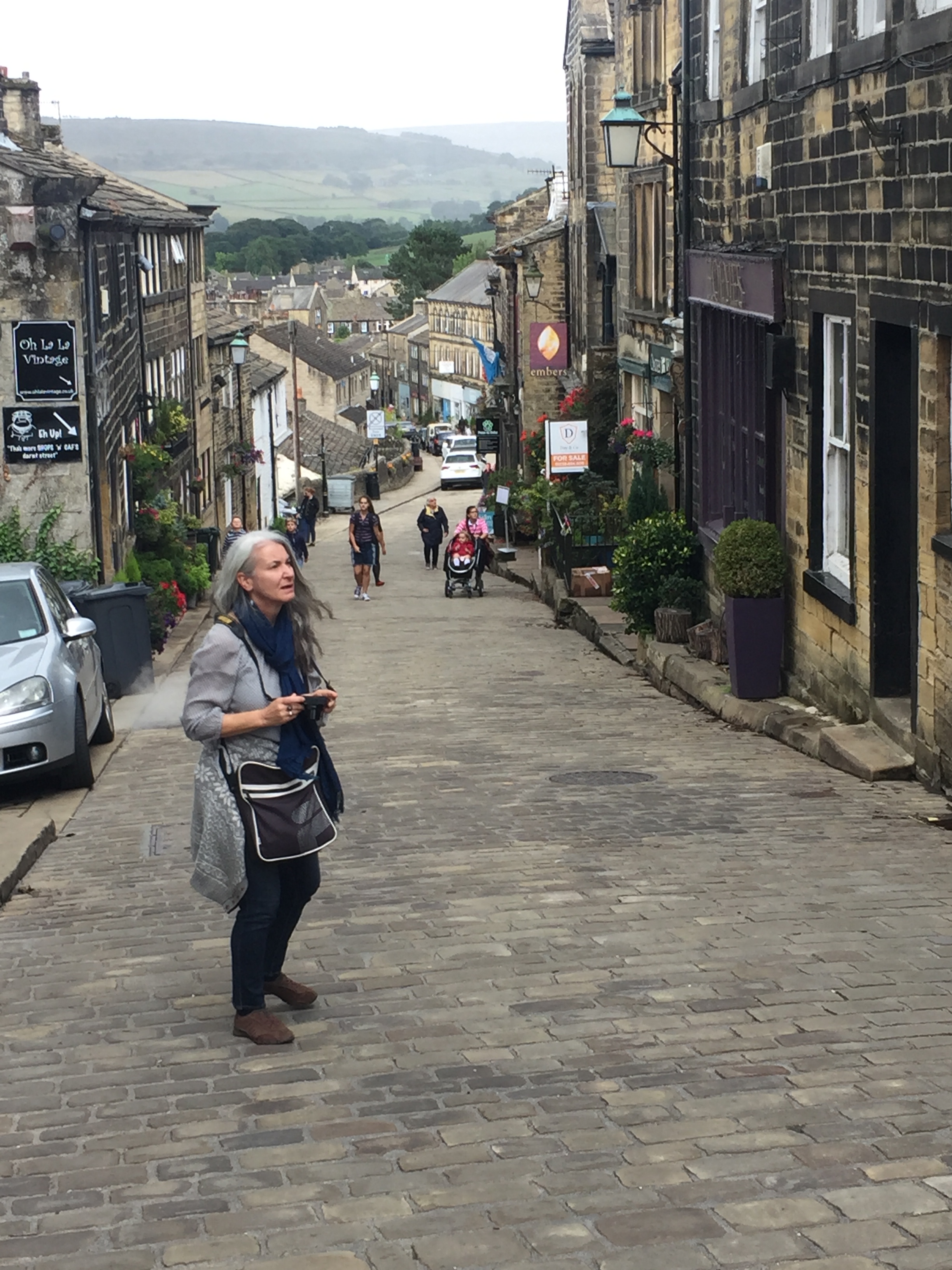

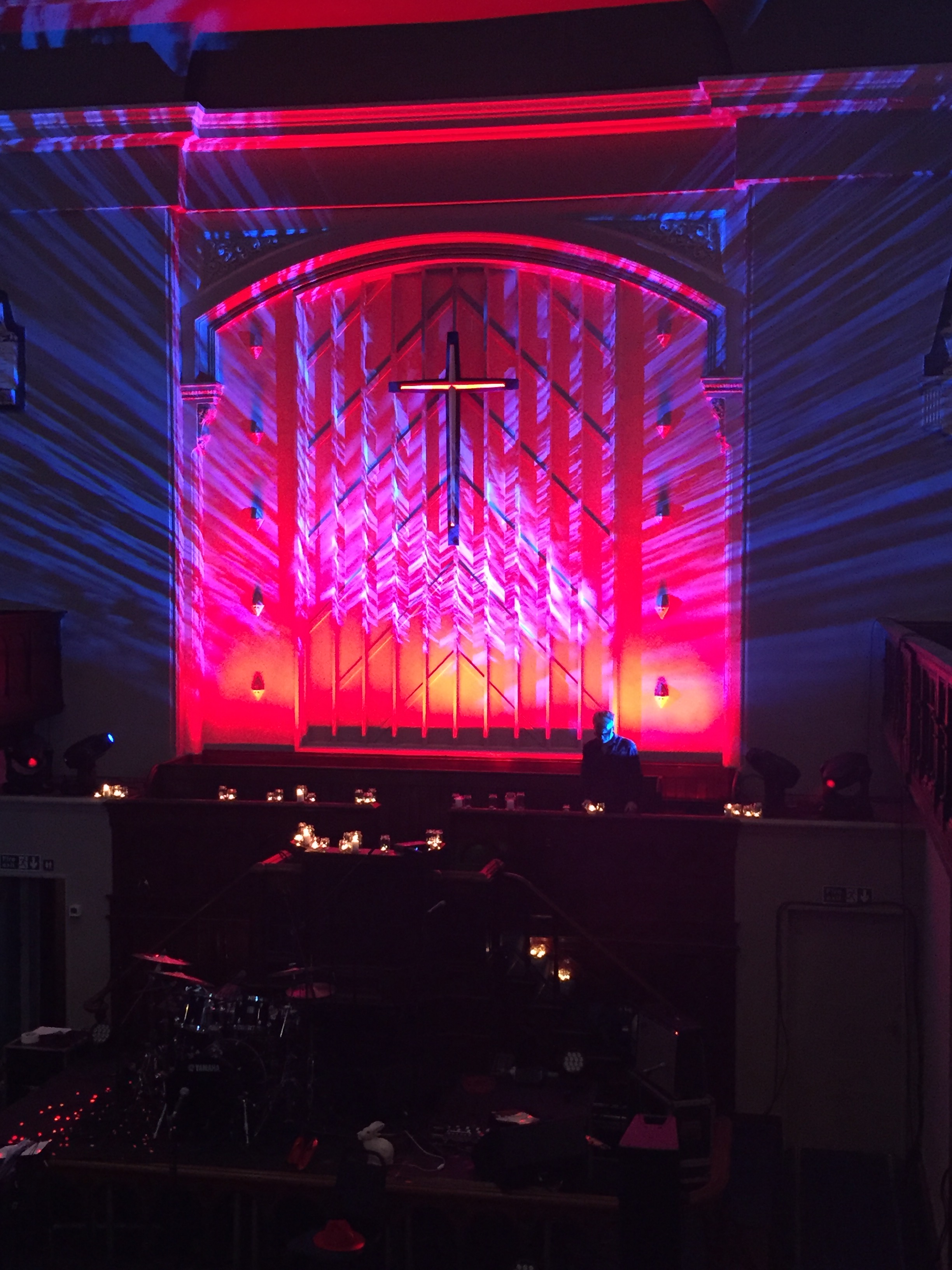
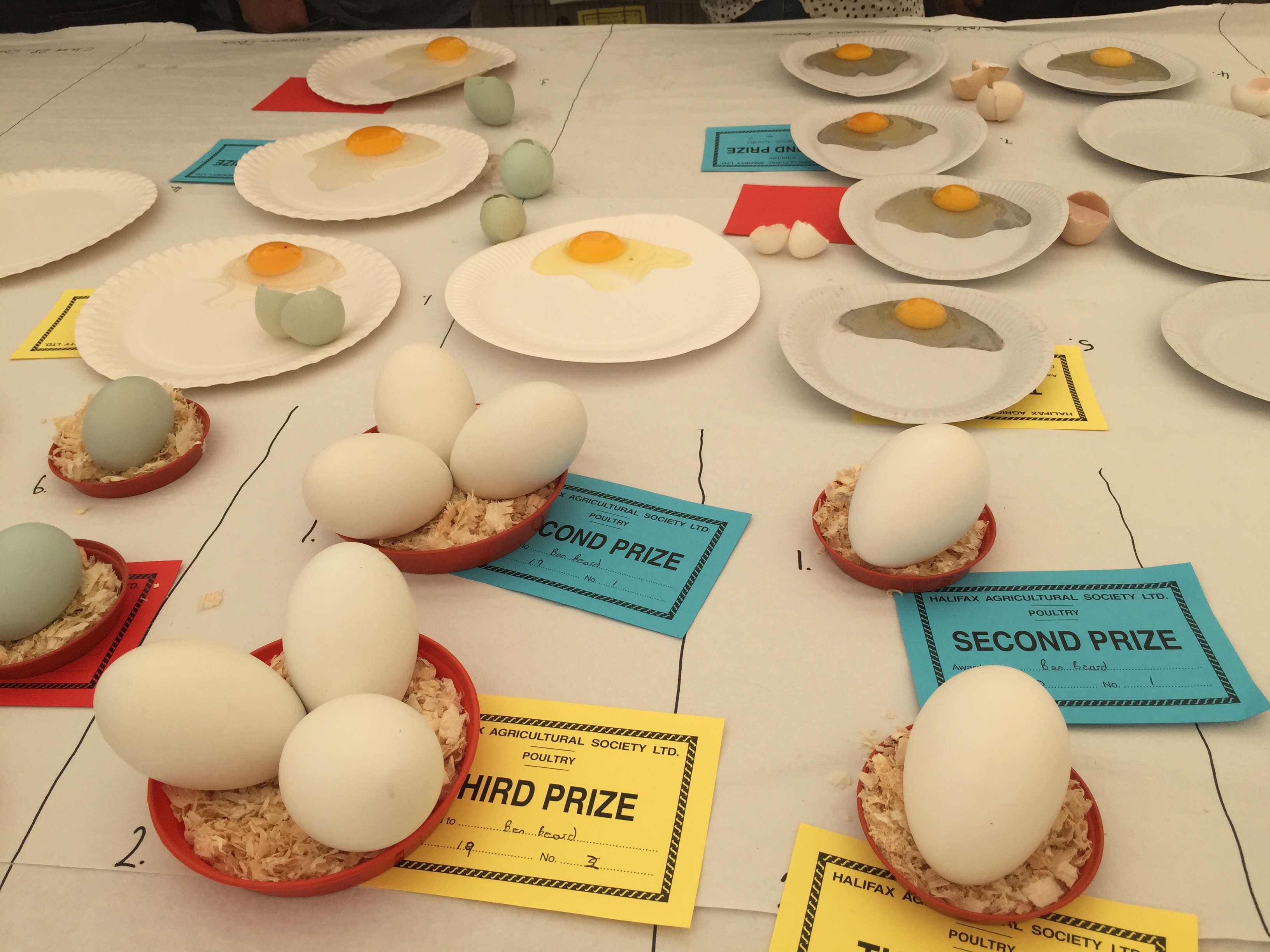
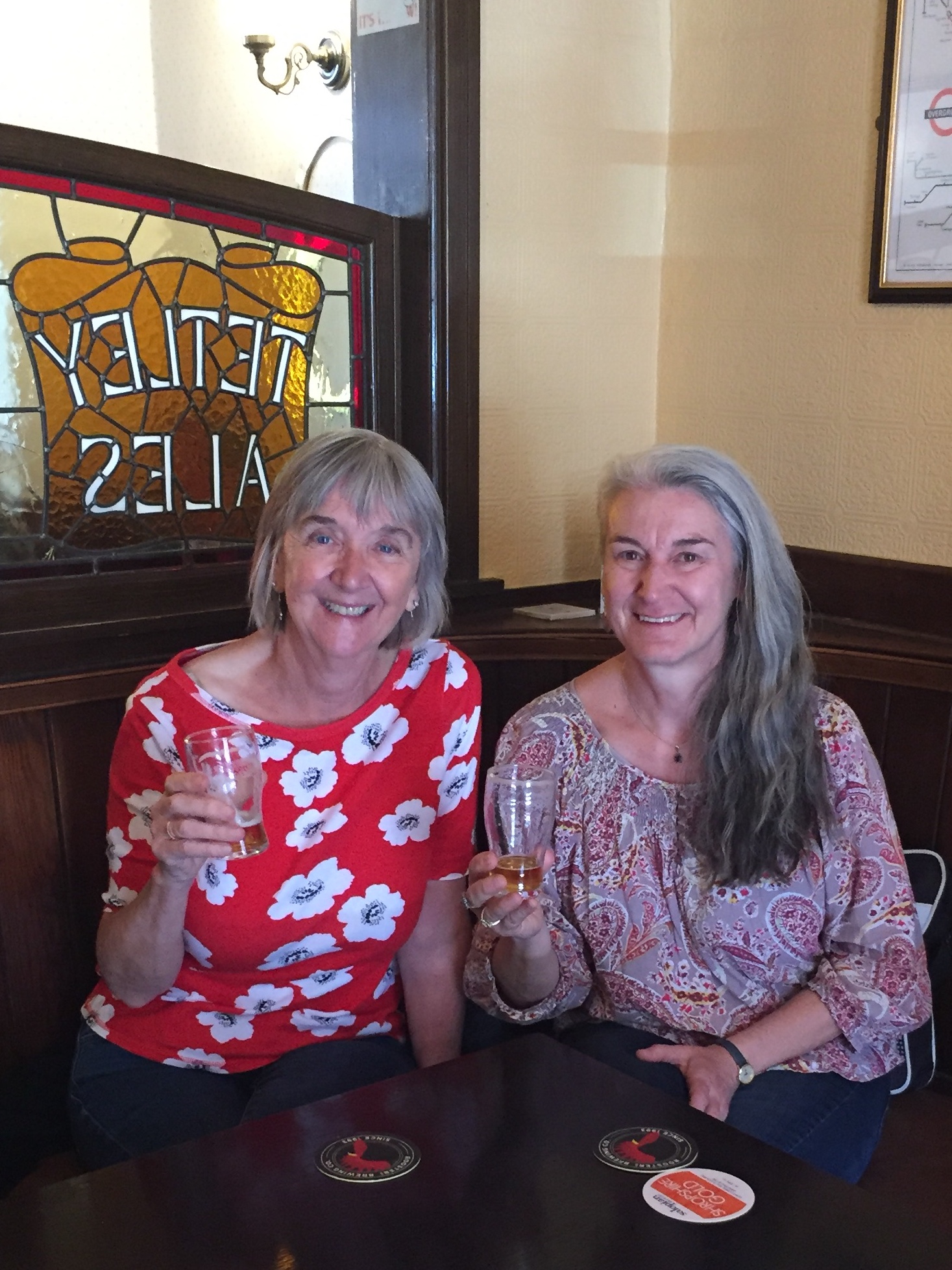
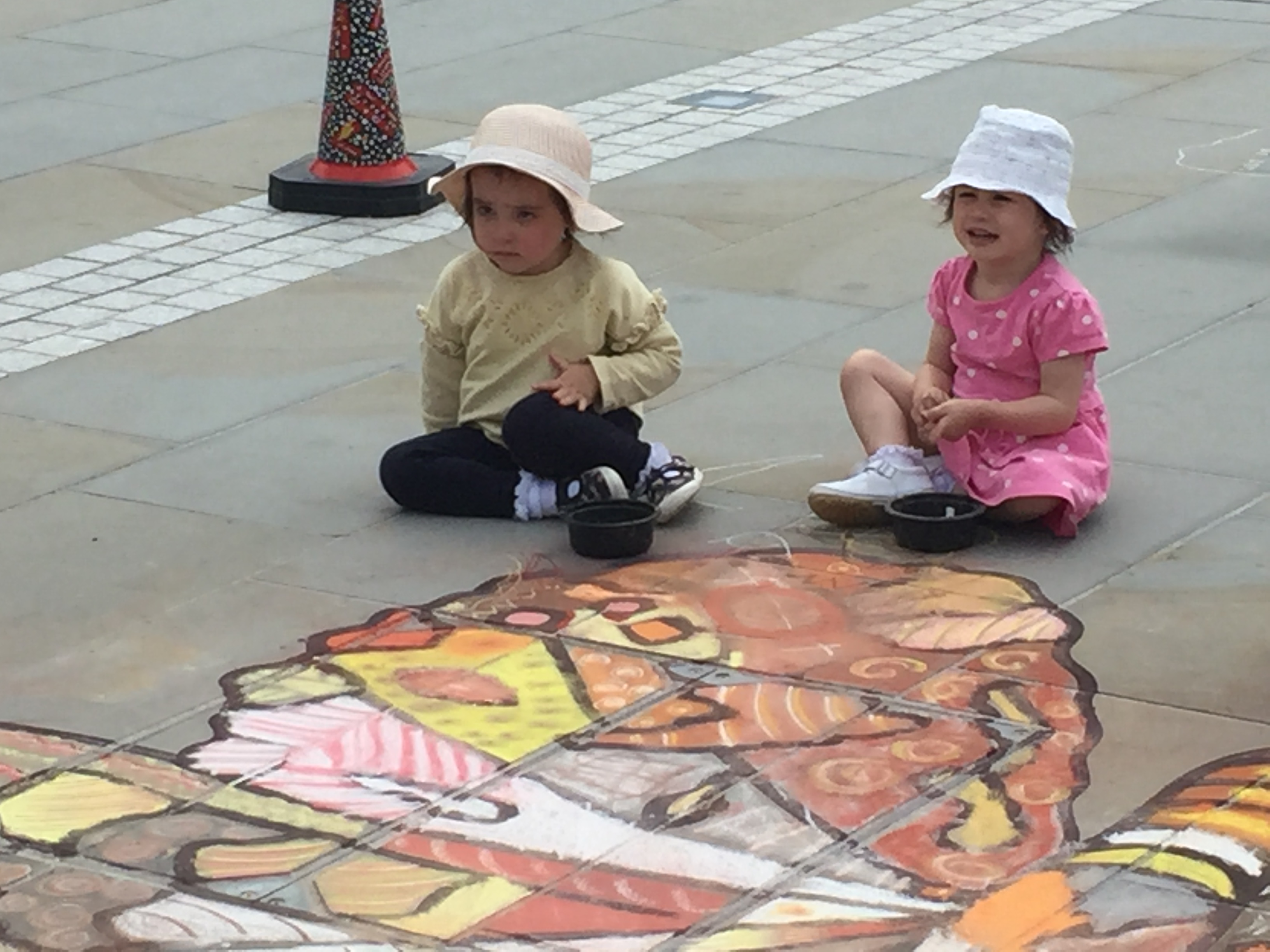
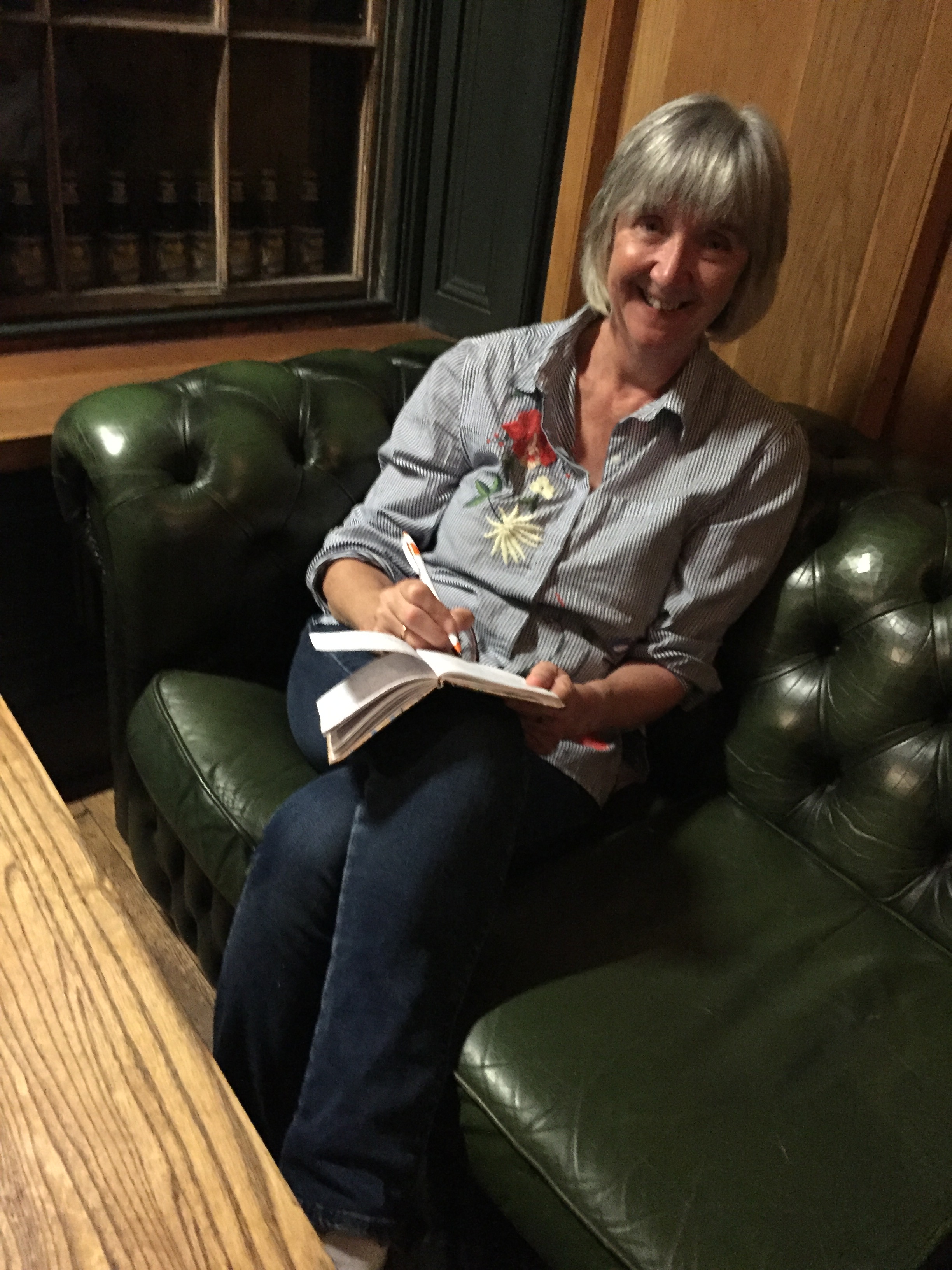









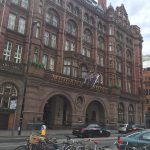

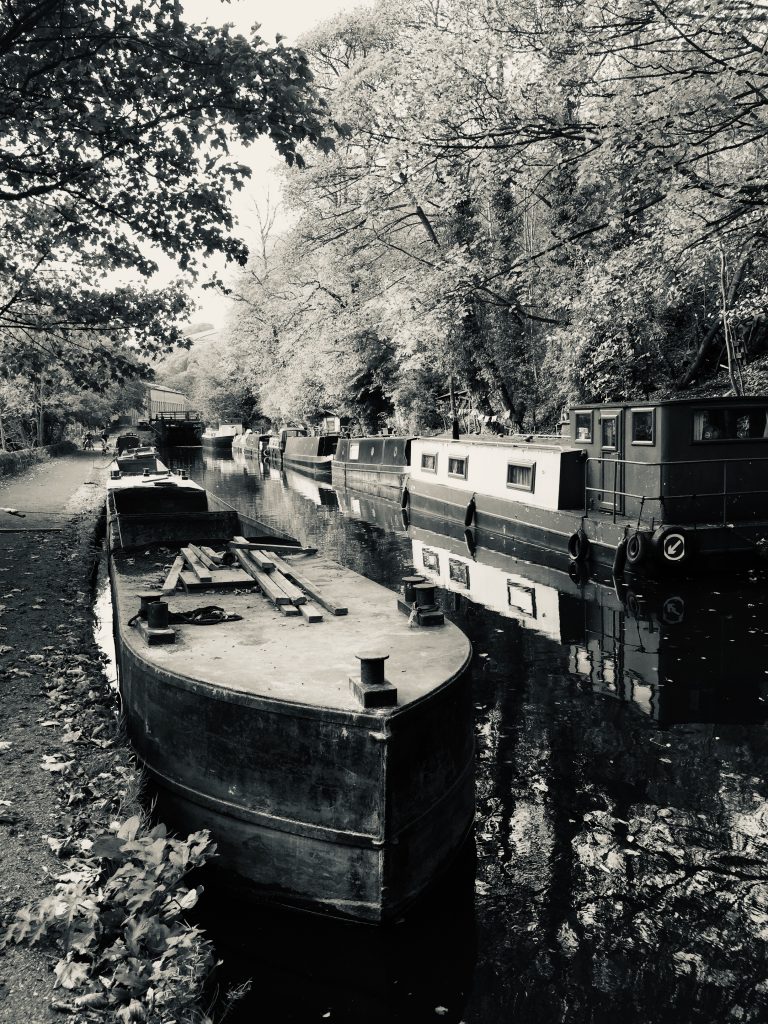
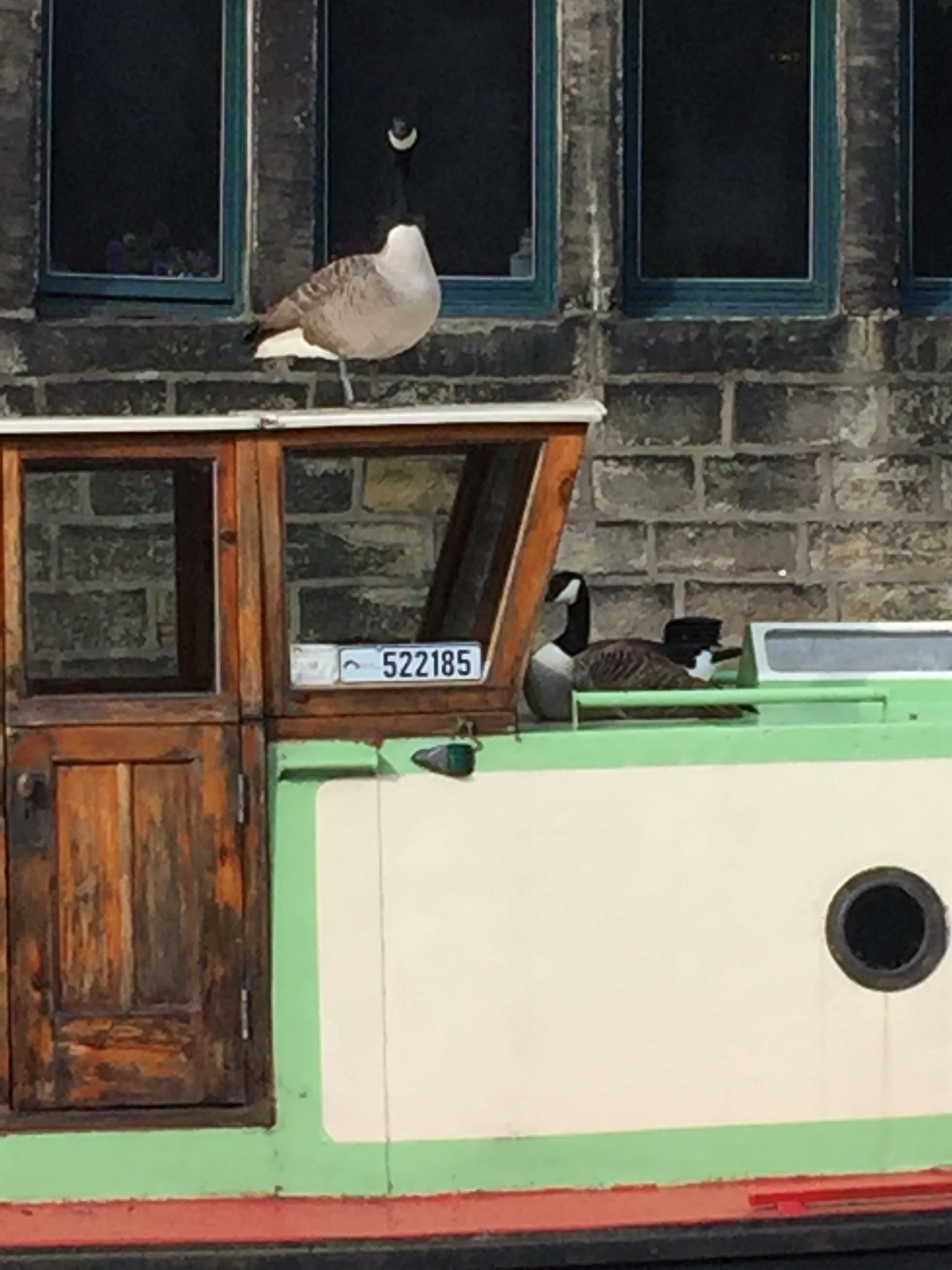
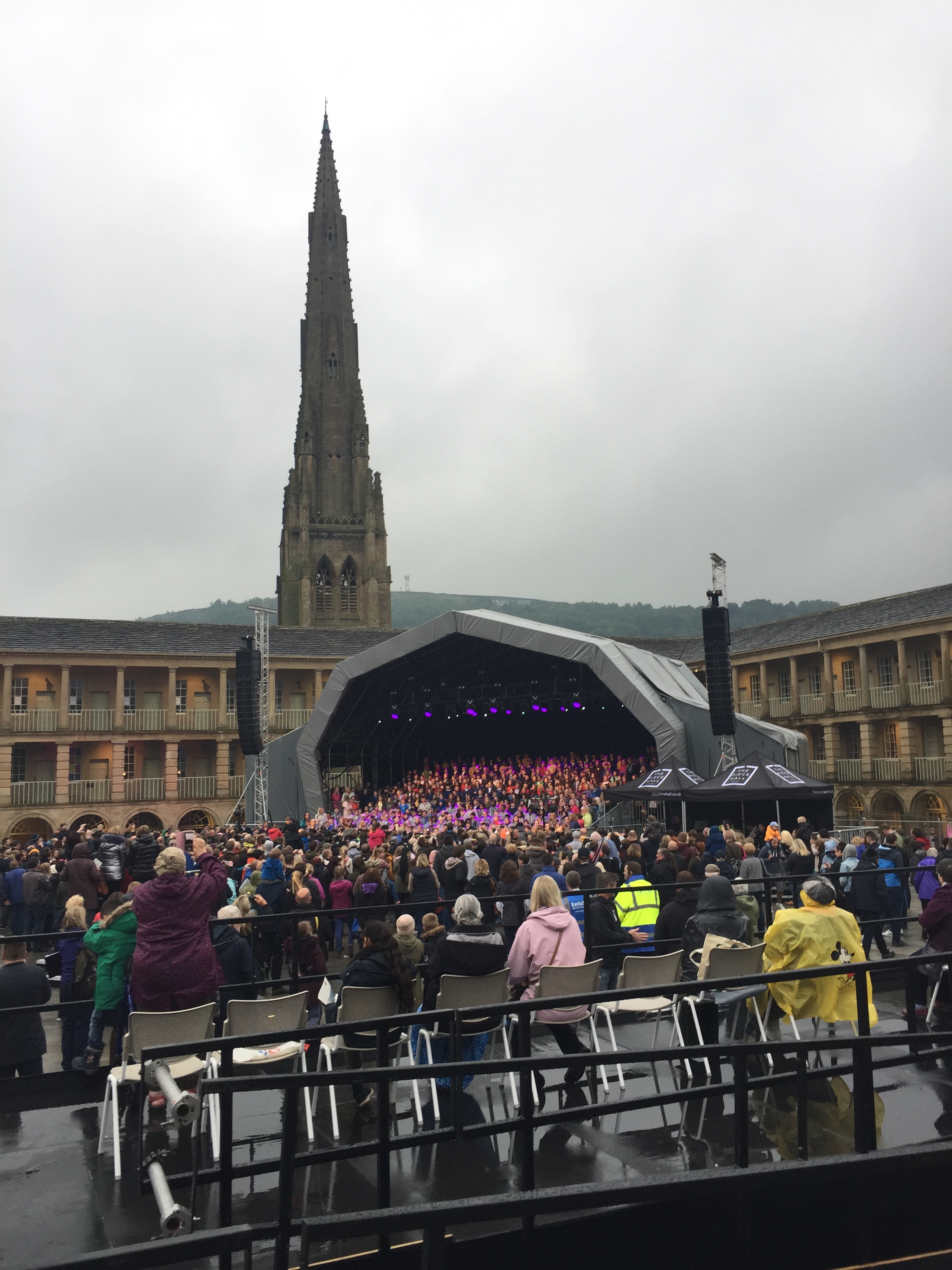 The girls had been given the opportunity to spend a night on Nicola’s canal boat and were very excited by the prospect. She warned them about the pitfalls – being woken by cackling geese or crowing roosters but they seemed to sleep through all the commotion. We spent the next day driving around the tops, having lunch at Brosters Farm shop with an amazing view out over Halifax, and stopped for refreshments at the Wetherspoons in Brighouse which is located in a church – a Methodist church at that! But its a lovely idea, and the organ is still in place in the gallery.
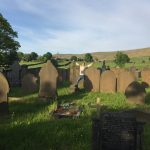
 We drove next to Lumbutts. My mum had mentioned Mankinholes Youth Hostel to me many times. I’m not sure if she had stayed there or was just intrigued by the name! We stopped at the Top Brink pub for a drink and then crossed the street to see the grave of Abraham and Mary Wrigley. Abraham was my great, great, great, great uncle. His daughter, Mary, died aged 13. One of his sons, John, emigrated to New Zealand in 1863. It seems almost incomprehensible to move from Todmorden to New Zealand at that date. A lot the information I have about that side of my ancestry comes from a distant relative who I ‘met’ through Ancestry.com. She lives in New Zealand, and sent me some photos of the Wrigleys.
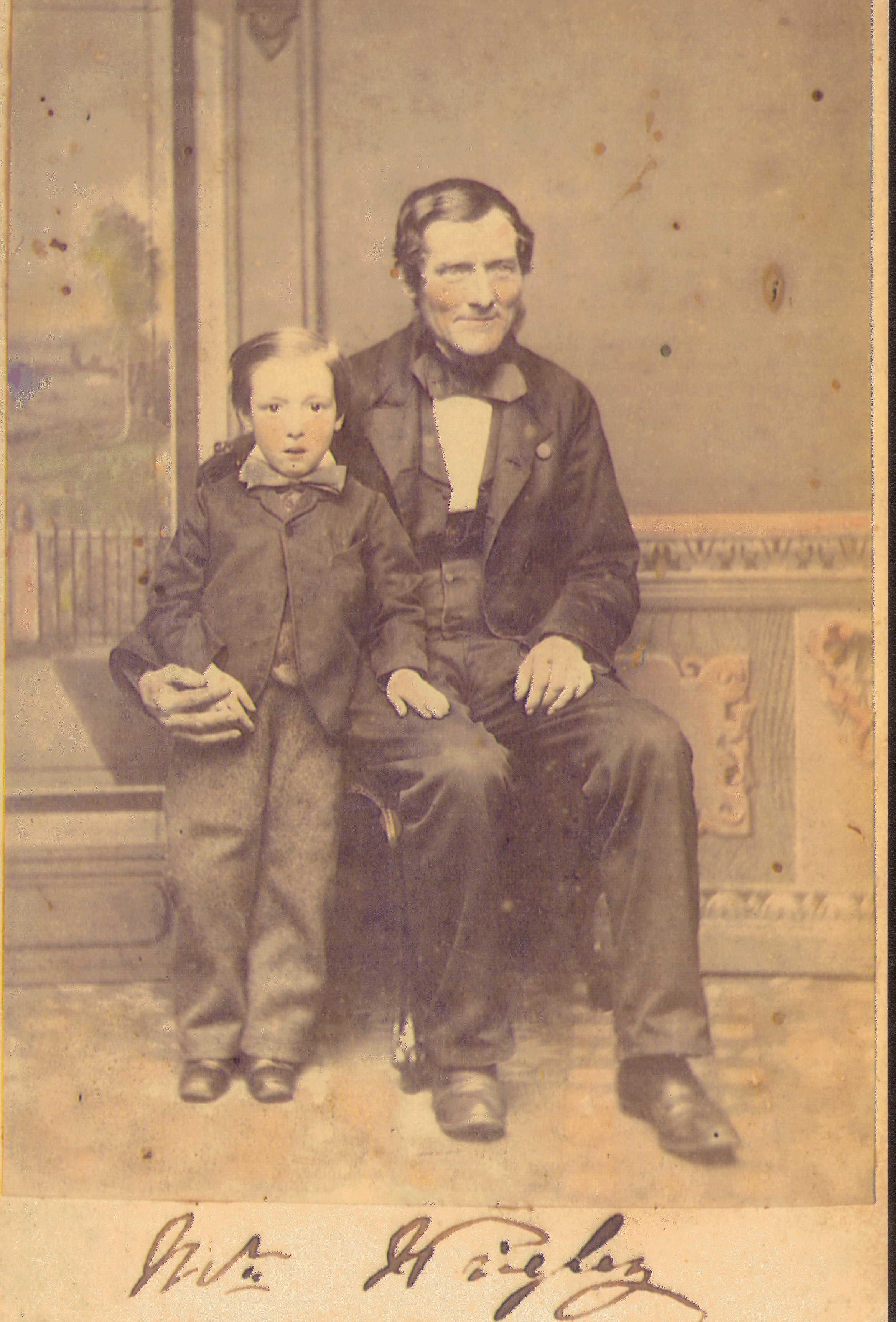 This is Abraham, who is buried at Lumbutts and his son, John who emigrated to New Zealand.
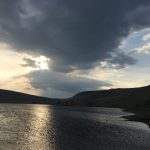
 In the evening Sarah and I went to explore Widdop Moor and reservoir. There’s a bus out to this remote spot that just runs on summer weekends, but I’d not been on it so since we had a car it was the perfect time to go on a recce. We timed our evening drive just right for some great light. We walked across the dam and a little way along one side of the reservoir.
 Then it was a clamber up the 369 steps to the top of Wainhouse Tower. It’s only open a few day each year so this was a first for me too. We all received a certificate to commemorate our visit.

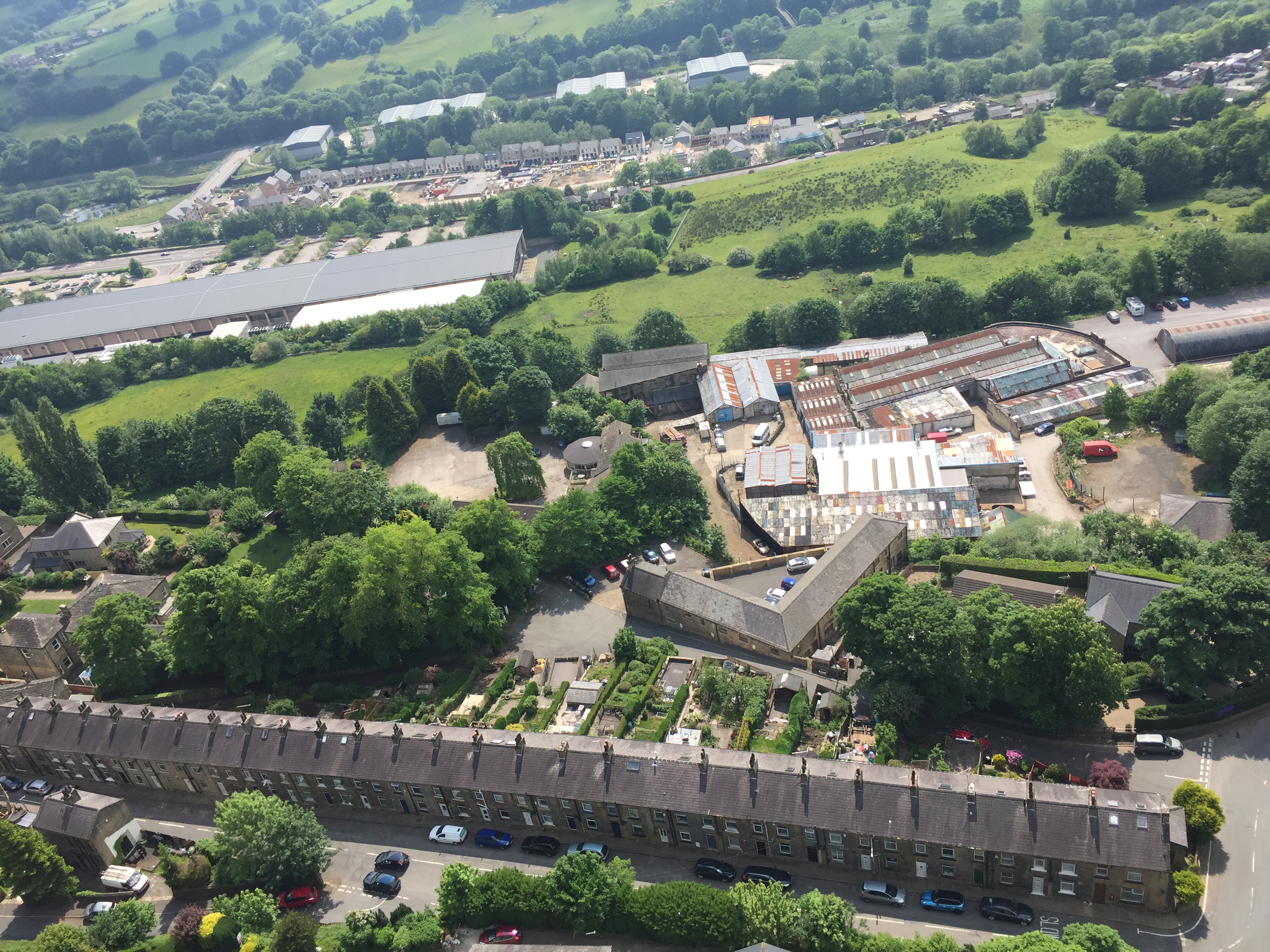
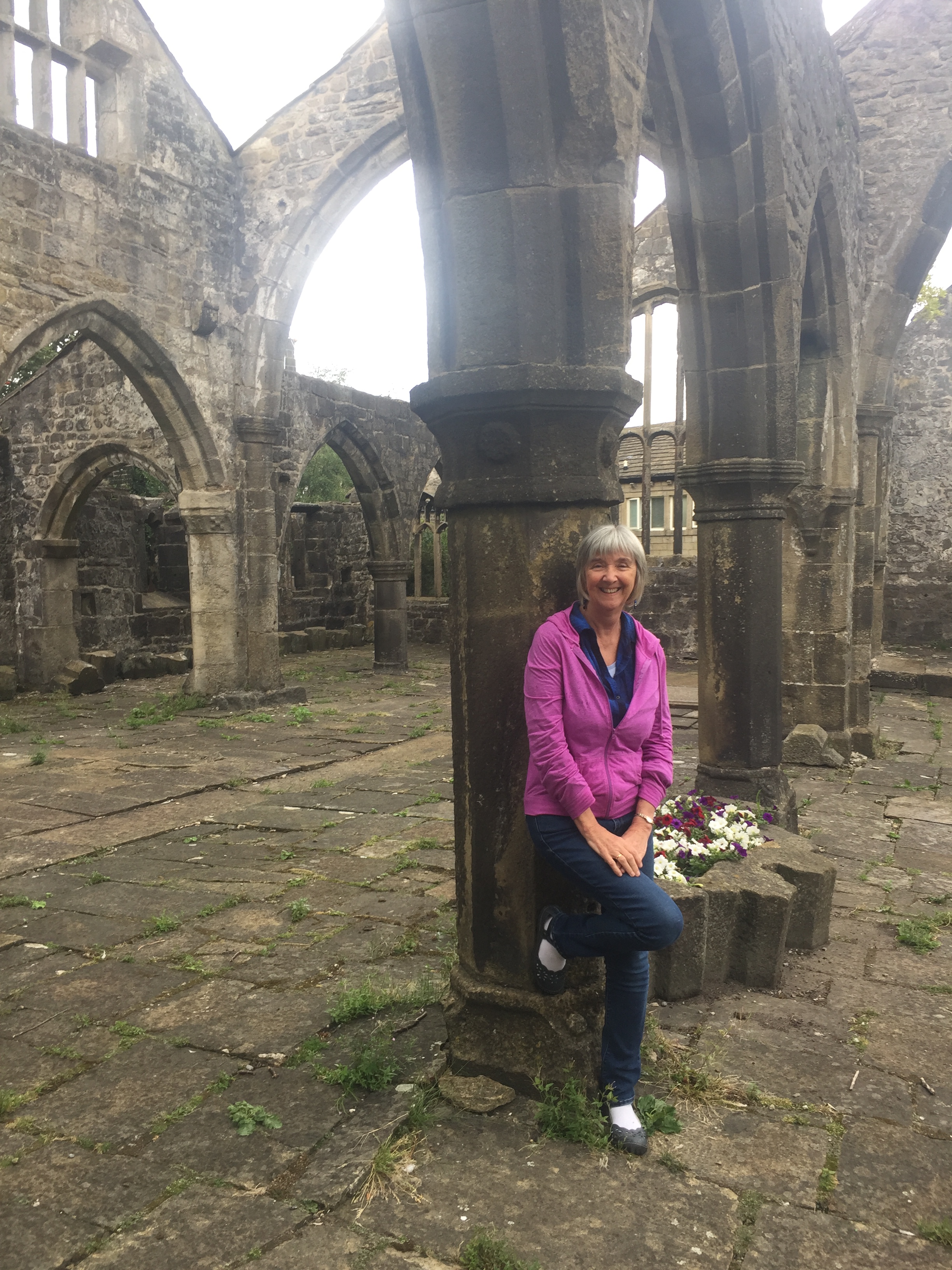
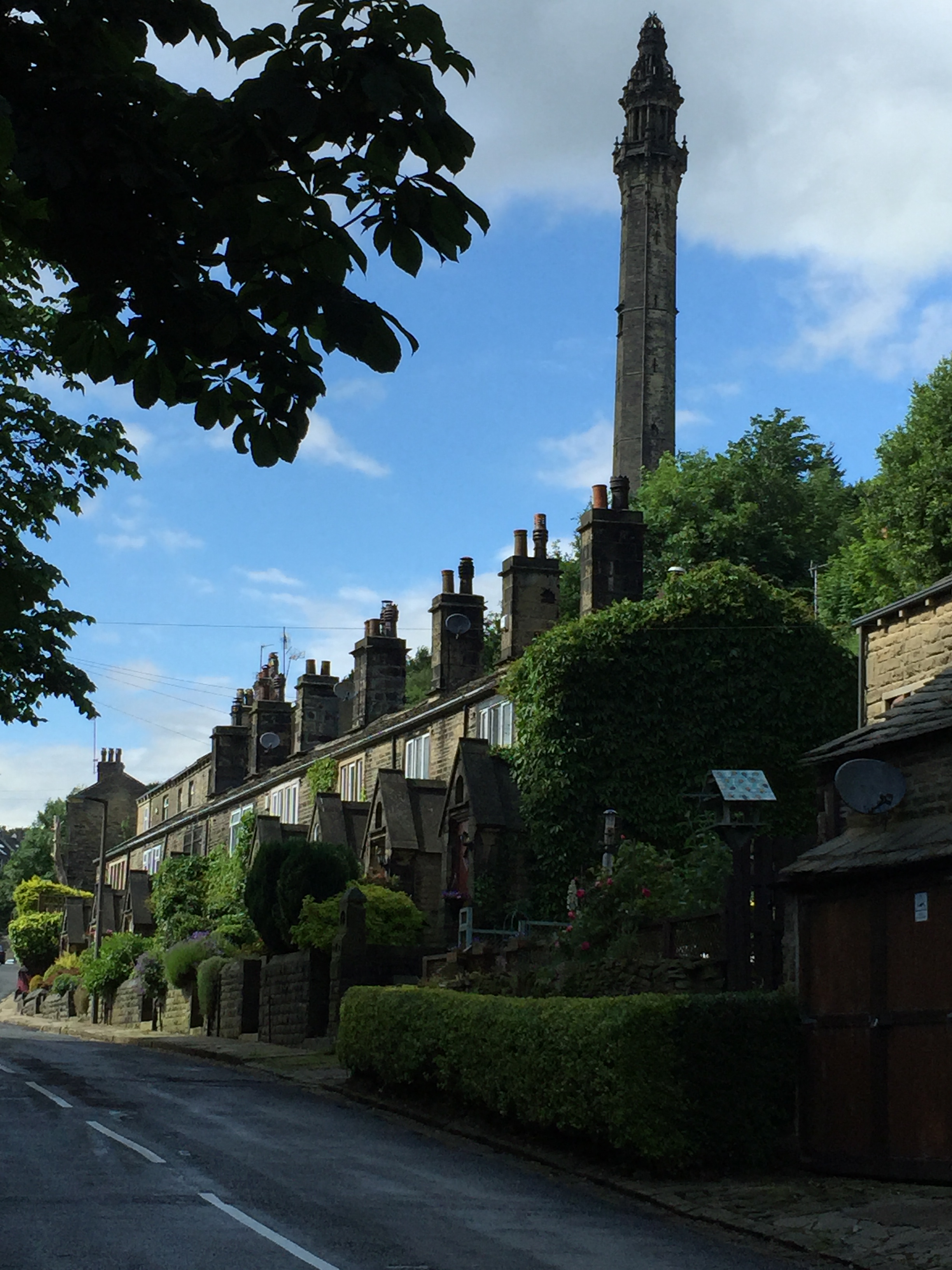 Mr Wainhouse built many houses for the people who worked in his dye works. Not content with climbing one tower we hurried on to Heptonstall where the church tower was supposed to be open for the public to view. As far I can gather this is a very rare occurrence and there were several people who’d lived in the village for 20 years and had never climber the tower. I’m not surprised! The health and safety people in the US would never, NEVER, have allowed us up. By the time we got to the top we had to climber through a window and then clamber onto the roof itself. It was wonderful – even though I’m not particularly comfortable with heights. Looking down onto the graveyard where my great, great, great, great grandparents are buried and onto the village where they lived for several generations was a wonderful experience. Our guide explained the workings of the bells and the clock too.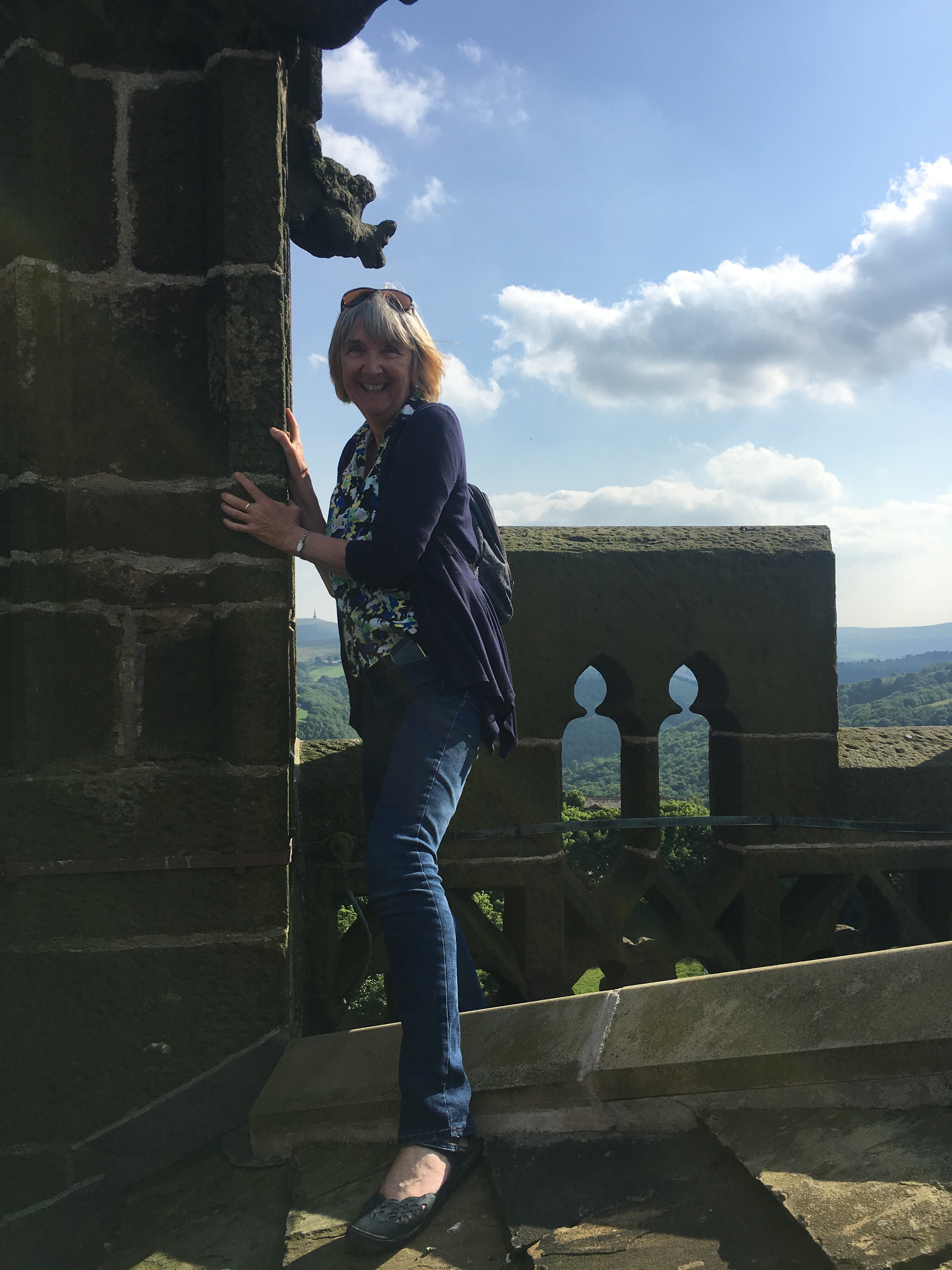
 It just happened that David from Lily hall was taking the tour too and he invited us back to Lily Hall. Now all the girls have stepped inside the building where, in 1842, Elizabeth Ann had a child with the young man next door, after her husband had died from ‘alpaca wool poisoning’, thereby connecting my family with the Wrigley family (some of whom emigrated to New Zealand, and others who built a lot of buildings in Hebden Bridge, including the one I’m living in).
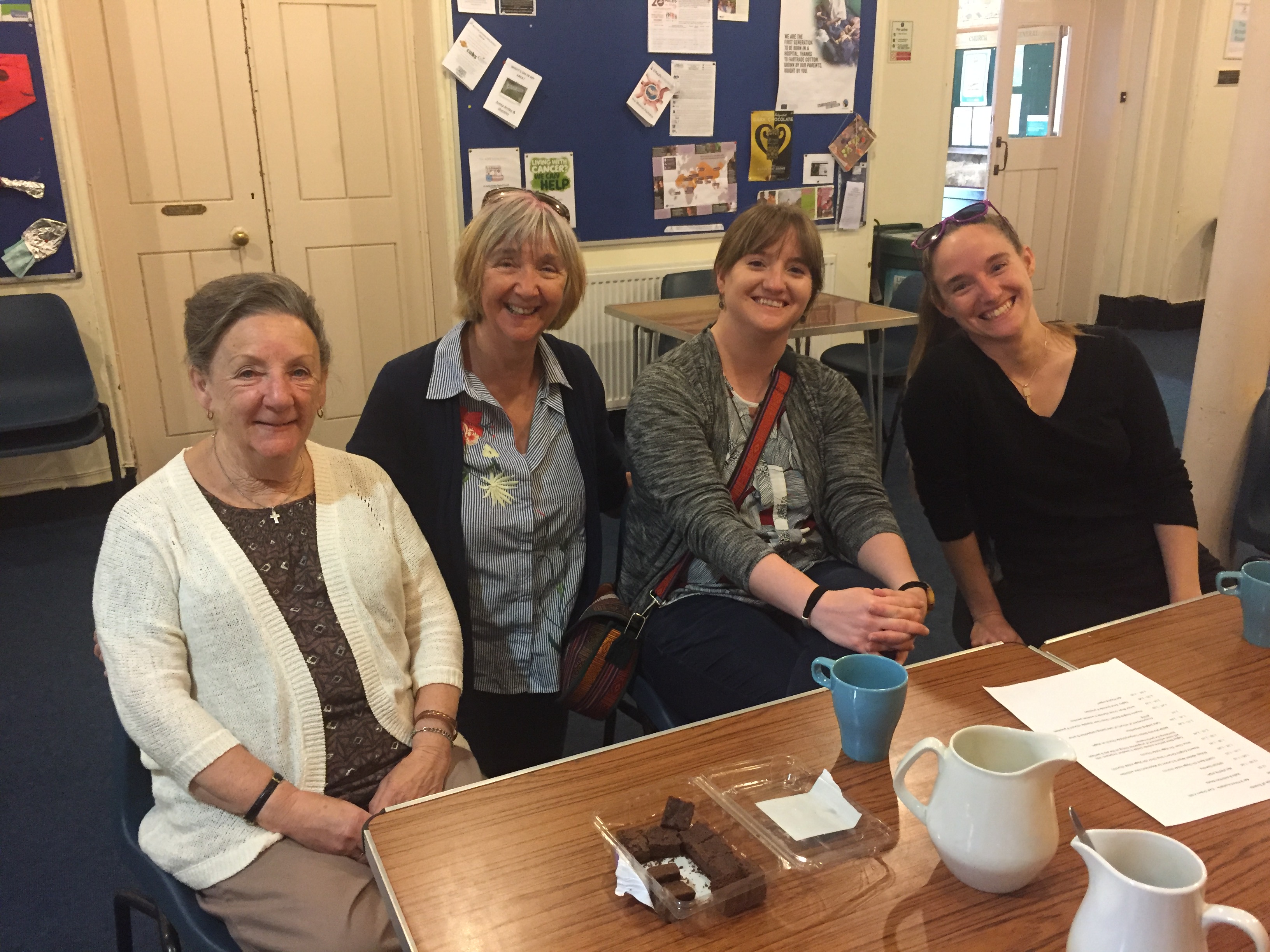

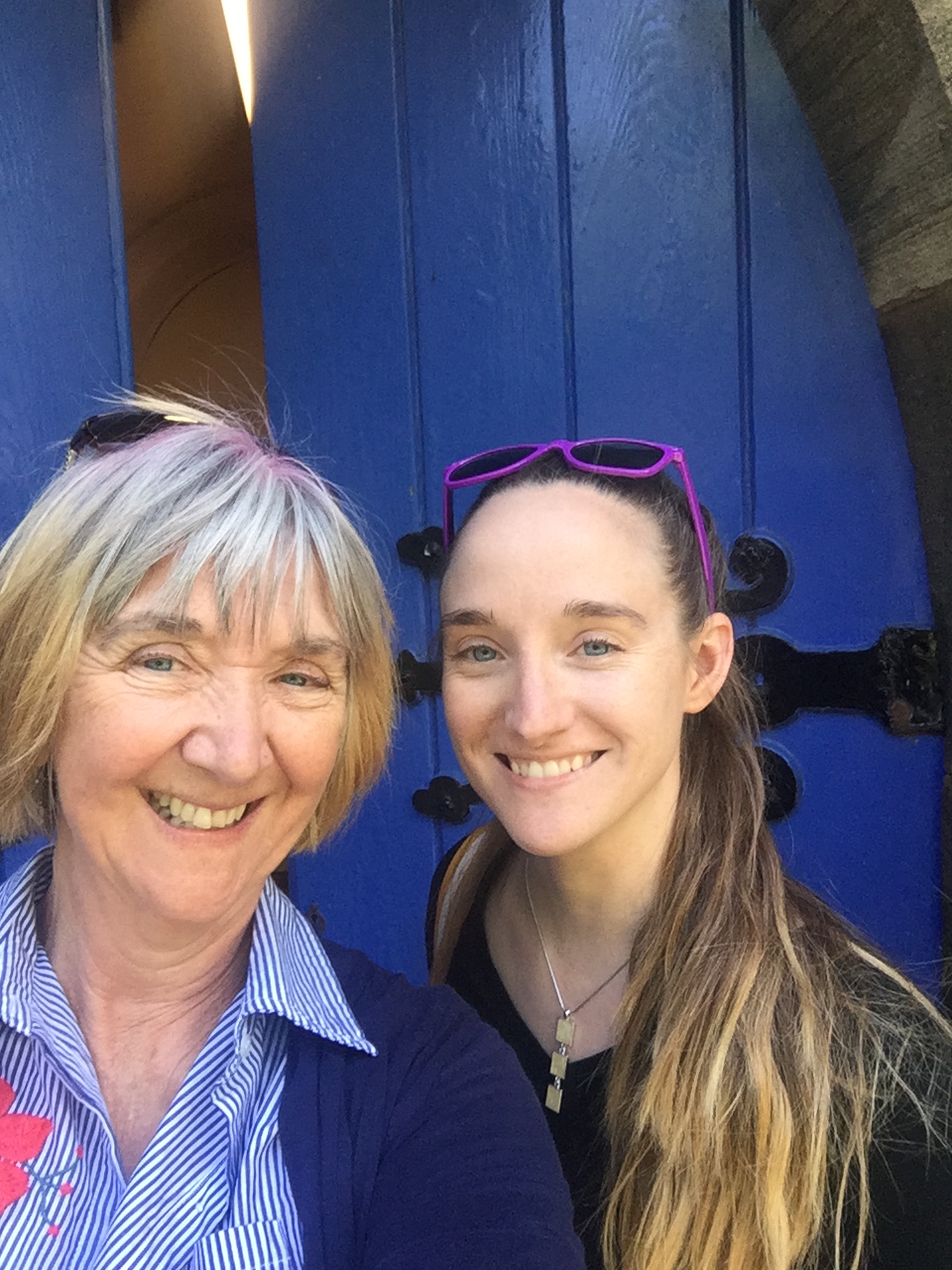
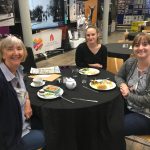
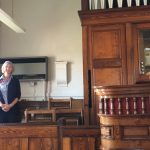
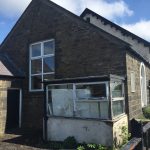
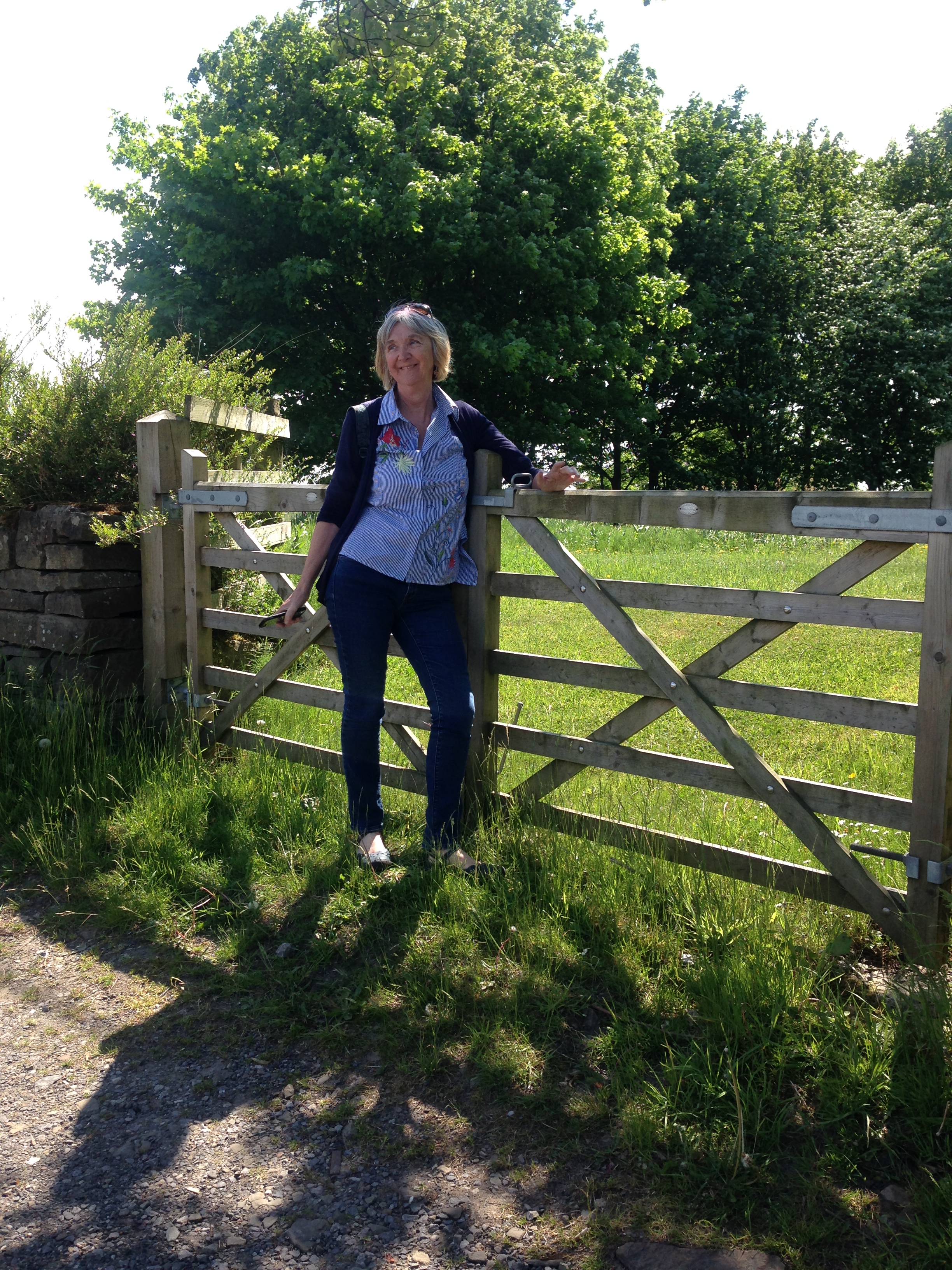

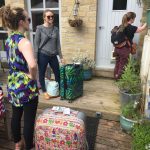
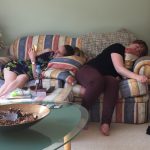

 The girls brought me lots of family photos that I’d not had room for in my boxes when I moved to England. We had fun in Stubbings Wharf looking at the old photos.
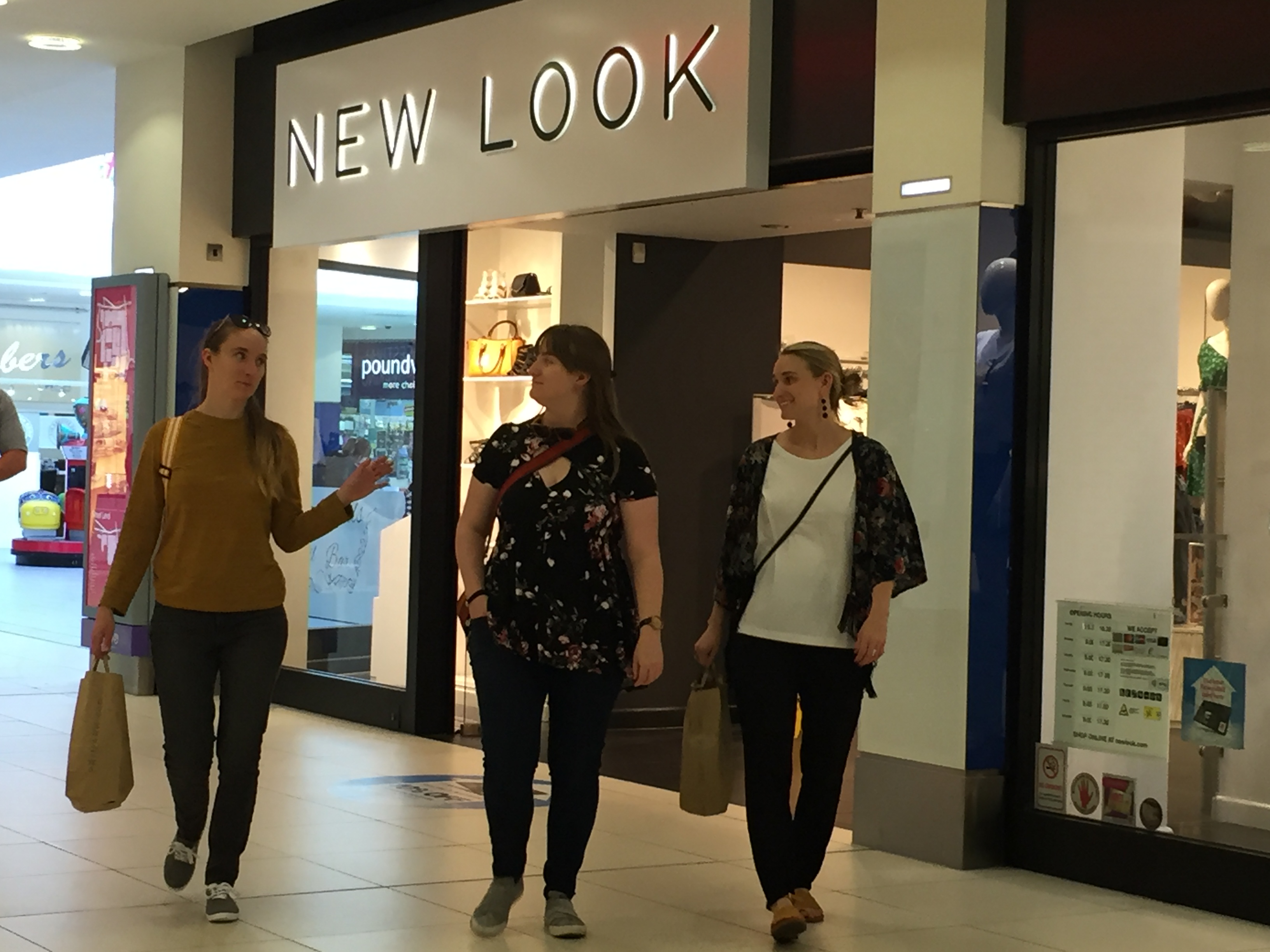 Shopping featured high on their ‘to do’ list. We went to explore Blackburn market one morning.


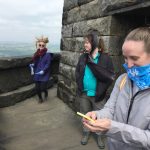
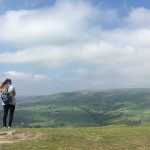
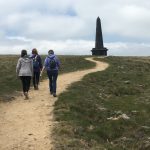
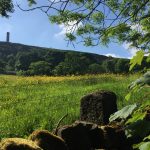
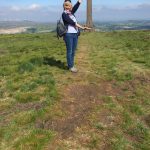
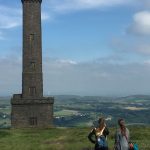
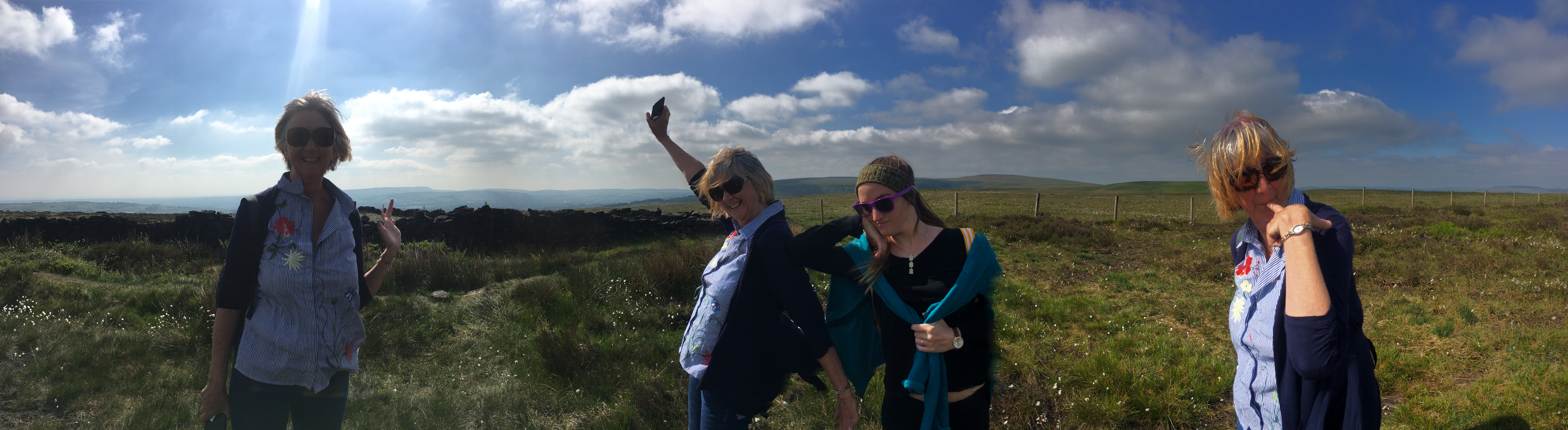
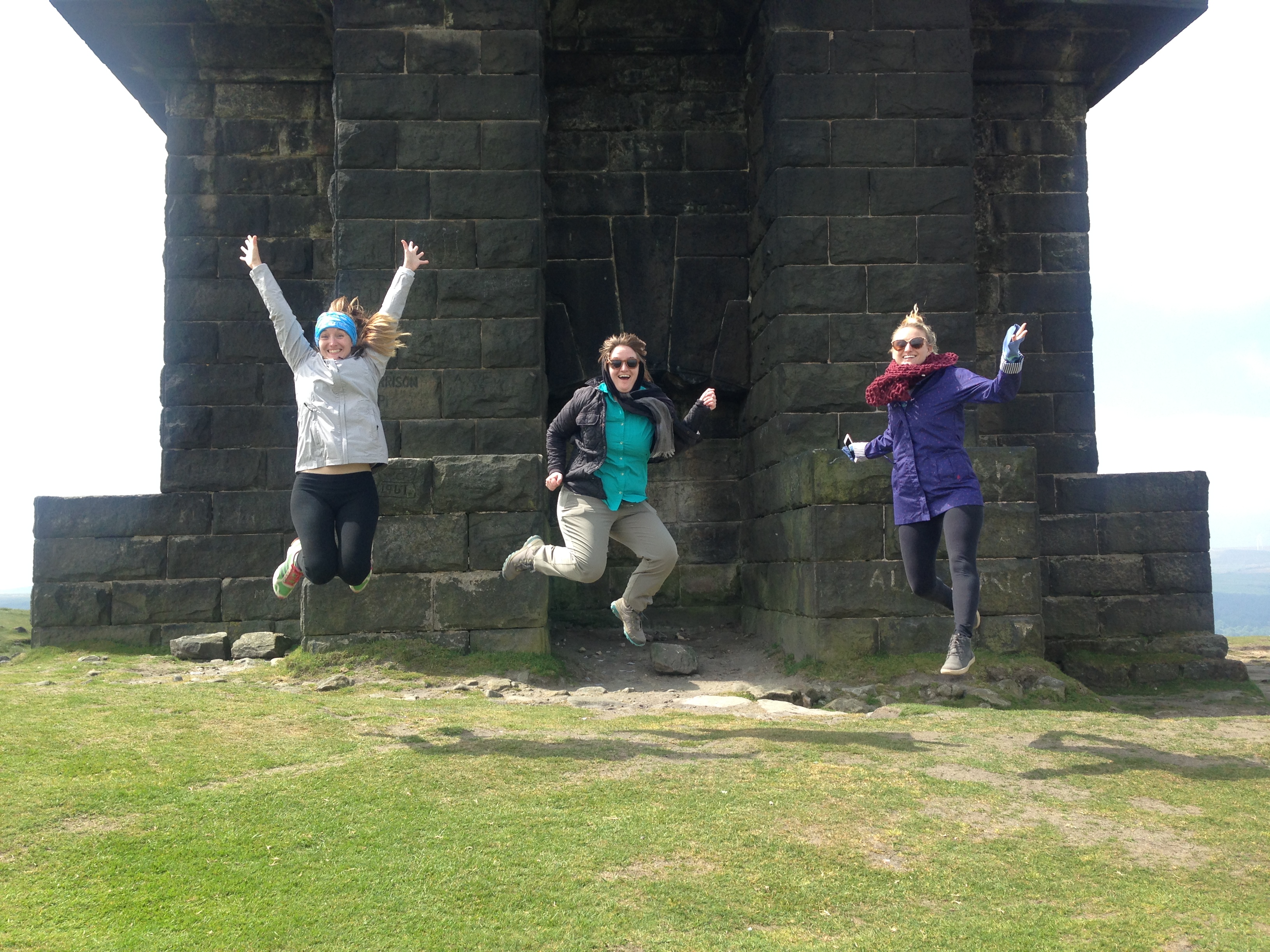 We climbed up to Stoodley Pike from my apartment. It was very windy at the top.

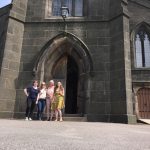
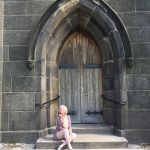
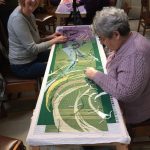
 Outside St Anne’s, Turton. I recently used the grotesque in my new quilt. I often create a quilt at a major change in my life and my move to Hebden Bridge last autumn was no exception.

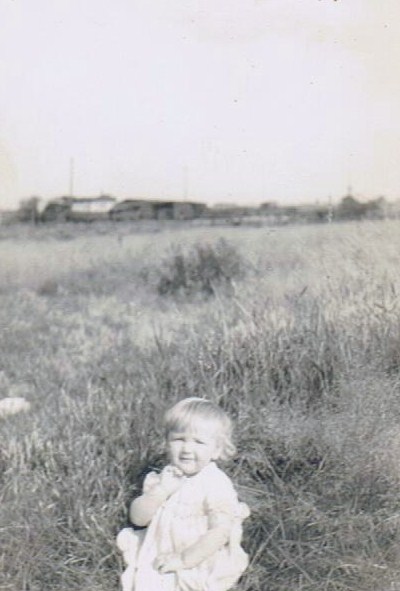
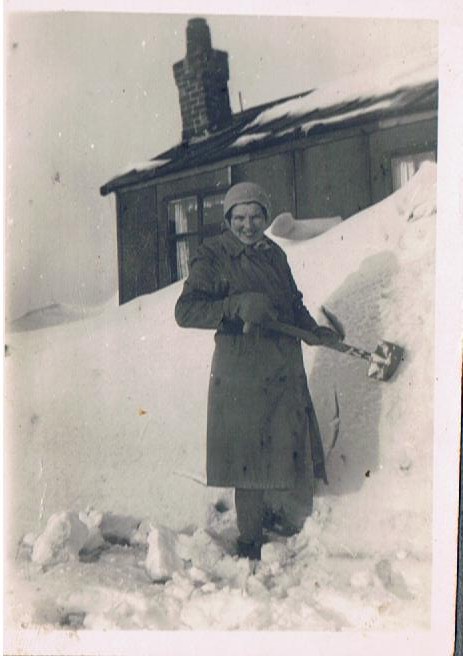

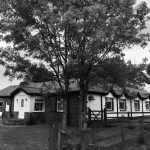
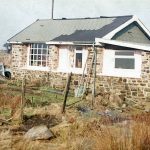

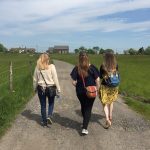
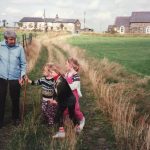







 In the boxes I even found a doggie pedigree. The last Abraham Gibson was an avid Airdale terrier man. The current owner knew a lady who Mr Gibson used to give a ride to when she was a little girl. He had one of the first cars in Calderdale. His detailed account books are in the archives and go right up until the week he died in 1956. His personal diaries are there too, and postcards he received from friends or perhaps relatives on holiday in Blackpool and on a steam ship. Absolutely fascinating.
 market on Thursday, and also got a baguette from the tiny bakery that’s directly beneath my apartment – along with the fish and chip shop. Once a week I see the potatoes arrive in big sacks carried over the delivery man’s shoulders!


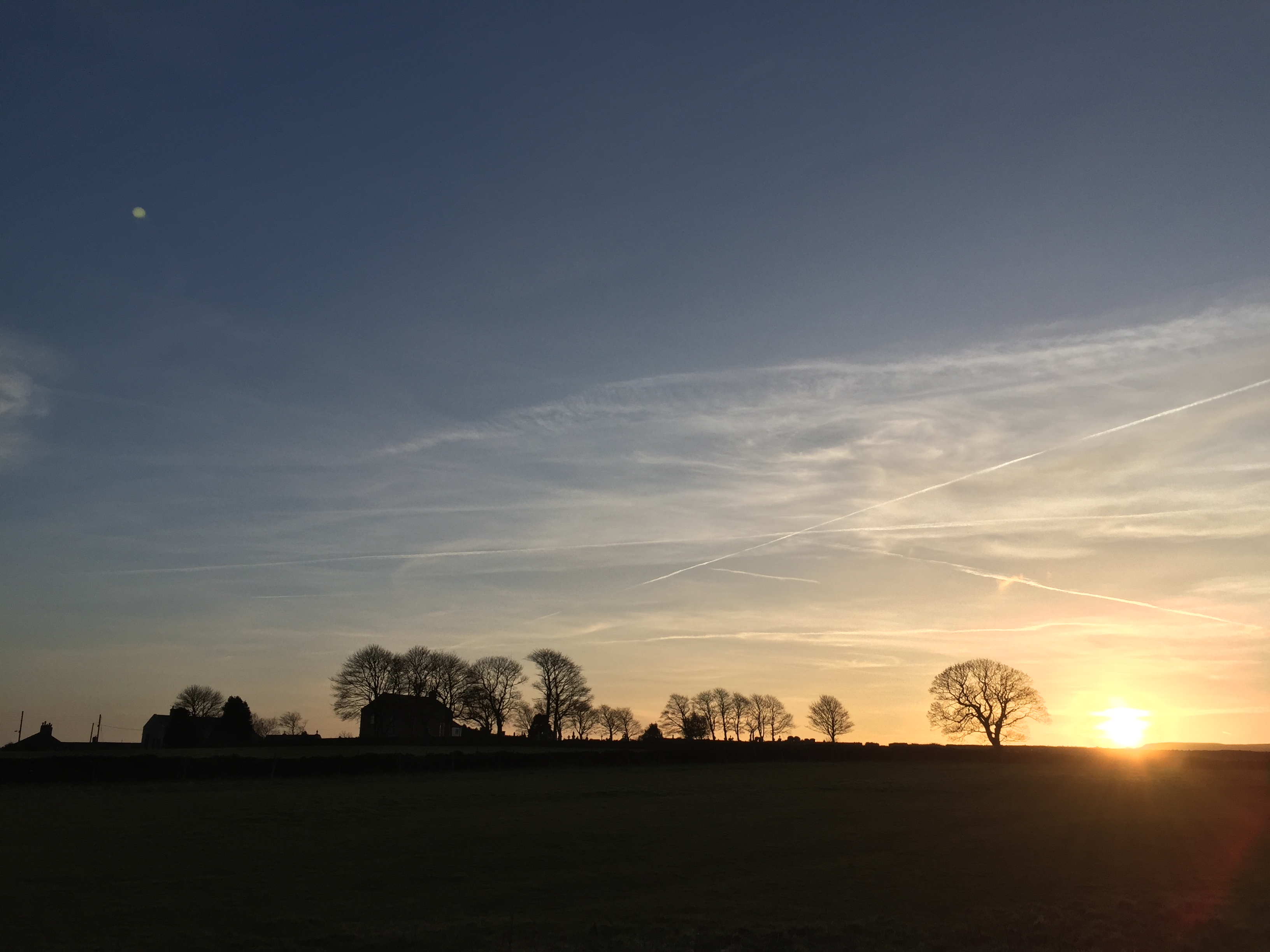
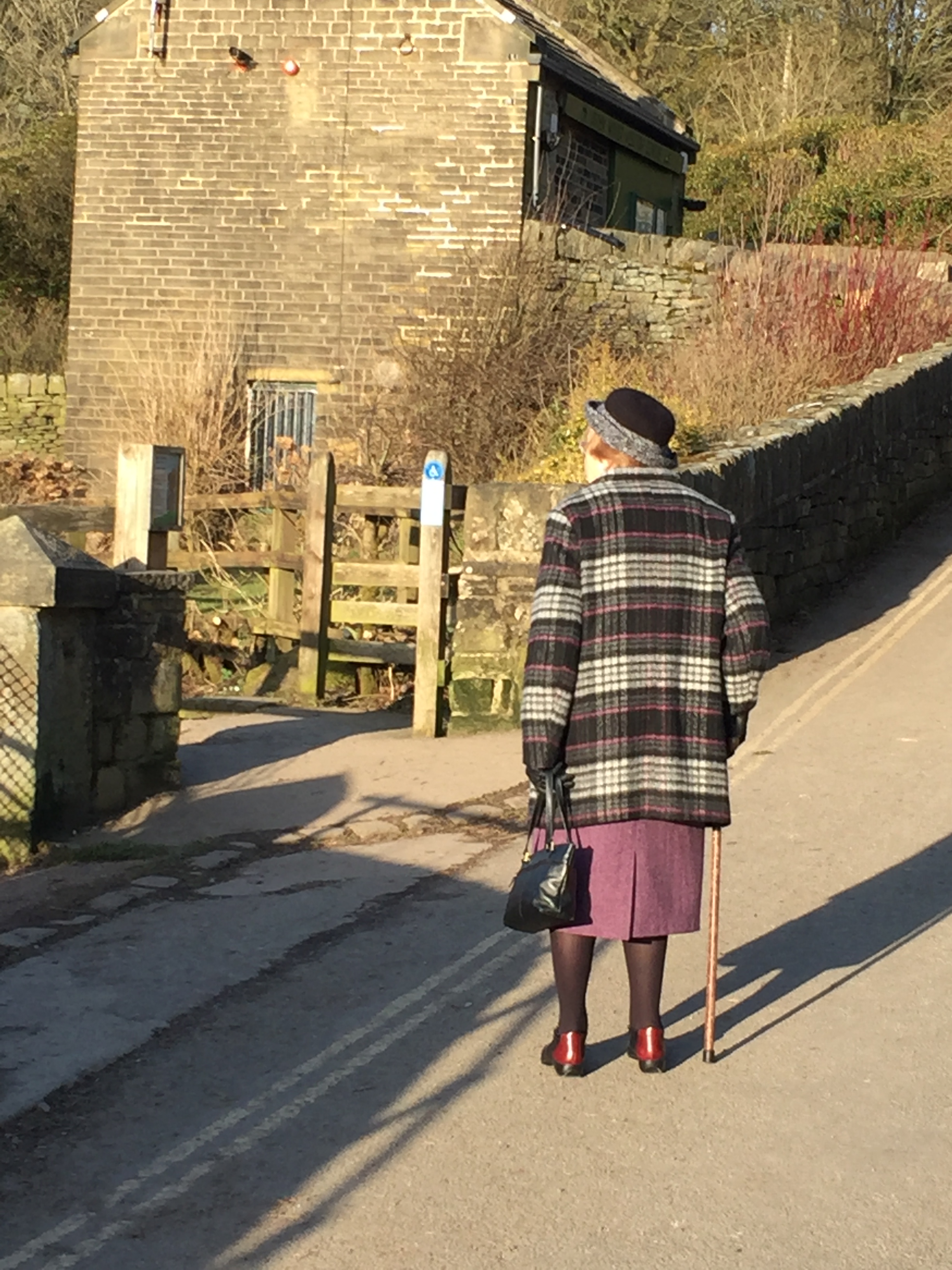 It’s only a couple of miles around the reservoir and I found that it reminded me a lot of Entwistle reservoir in Turton. After crossing the dam I found myself in the woods, but what was this – a pile of old Christmas trees? I did a double take. OMG. Around the entire
 perimeter of the reservoir is a hedge made out of recycled Christmas trees. I looked in vain, hoping to see at least one Christmas ornament, but the only object I found suspended from one tree was a price tag! By the time I got around to the far side of the lake the sun was on the horizon and the light was beautiful. Taking photos was a bit





Recent Comments