Author: hmcreativelady (Page 22 of 48)

Initial plan thwarted but I found myself on an unexpected adventure

View across the hills to Stoodley Pike

Grass is bent almost horizontal by the wind

Gusting wind

I’d spent last night listing addresses close to Hebden Bridge where some of my ancestors had lived. This morning I set off on the bus to Blackshaw Head, a tiny hamlet high on the moors where Florence Sunderland, the mother-in-law of my 2nd cousin 3x removed had been born in 1883. The walk would also take me past Scammerton Farm. I knew that rain was forecast and by the time the bus had got to the tops the rain had began, but more impressive was the wind. It was blowing like crazy up there. This is, in fact, the first named storm of the season – Storm Ali, and in the usually windy areas of Slack top and Slack Bottom, the full force was bending the grasses at 90 degree angles, berries from mountain ash trees were flying through the air like red projectiles and large branches of oak and beech trees were taking flight. In the midst of the this mayhem I was sitting comfortably, chatting to the bus driver who was telling me his life story! He’d been a bus conductor at the age of 20, unable to get a HGV license until he turned 21. Then he got his license, drove big lorries up and down England, living in the cab. He’s currently enjoying tennis lessons and is looking forward to going to a week’s tennis camp in Norfolk to improve his second serve. I couldn’t help but comment, “Sounds like a busman’s holiday to me!”

As the rain threatened to shatter the windscreen with the force of the wind I wished him well and alighted at Slack Top. As I walked along the road there were occasions when I was almost blown over, but I felt totally at home in this environment. Then it struck me. No, not a branch, but the realization that I felt totally at home because of the sound of the wind in the telephone wires. This was the sound that I lived with daily at Affetside – the moaning wail of the singing wires as I crossed the field from the stile to 3rd Bungalow.

Construction at Lily Hall

Autumn ivy colour

I passed Slack Chapel that my Wrigley ancestors built in 1863, the same date as the building in which I currently live, which they built too. One of favourite road signs was perched outside the chapel today: “Cats eyes removed.” The rain was coming from the direction of Stoodley Pike which kept fading in and out of the swirling cloud. The raindrops on my face felt as though I was being pelted with tiny pebbles as I headed into Heptonstall, past the ‘Hedgehogs Crossing’ sign. I considered having a wander around the churchyard but decided to just get back into the valley. I

passed the construction work at Lily Hall where my great great grandma was born in 1842, and by the time I reached Queens Terrace that the Wrigleys also built the rain was very heavy. I bumped into a friend in town who commented that I looked like a drowned rat! Wow. What a fun – and unexpected – morning. I’ll have to save Scammerton farm for another day.


Unfortunately I can’t spell Unfortunately!


Message on Facebook’s Heptonstall page  when I got home: Large tree branches down across Lee Wood Road near the bend. Passable but single file. Reported to Calderdale.


The imposing Oxford House

The Albert

I found myself energized by the morning’s hike and so by mid afternoon I was ready for further exploration. Two major buildings close to my apartment were constructed by my Wrigley ancestors: The Albert pub, where, last week, I’d joined a young lad in a piano duet version of Hear and Soul, and Oxford House, an ornate building that’s now a vegetarian restaurant that I’ve yet to eat in. Next on the agenda was 8 Old Gate where Willie Wrigley was living in 1911 with wife Charlotte and three young children.

Site of former houses on Old Gate

Houses on Old Gate, next to Old Gate pub – the first pub I ventured into on my first night in Hebden Bridge

What he got up to is quite a good read and deserves its own post!

On the ancestry trail close to home

12 Brunswick Street, the end house

Melbourne Street’s former fustian factory

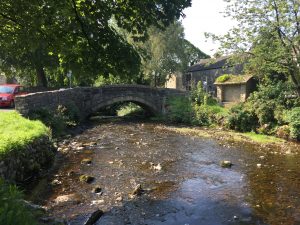
Hebden’s Bridge

4 Melbourne Street

Old door to the factory

Former fustian factory on Melbourne Street

This week I discovered a new line of research in my ancestry. Ok, it’s tenuous in that I don’t share a direct bloodline with my new-found relatives. The connection is through marriage but just how close I now live to these relatives is amazing. So yesterday I went out in search on where they lived. In genealogy terms Florence Sunderland is the mother-in-law of my 2nd cousin 3x removed – 1883-1942. She was born in Blackshaw Head from where I’ve taken several walks along the tops. By the time she was 8 she was living in a cottage just at the far end on Heptonstall, Spink House. I couldn’t find it on the map, but a posting to the Heptonstall Facebook site soon elicited several responses, one from someone who used to know the family that lived there at one time. Florence married a man whose surname was the same as her maiden name. Sunderland is a common name in this part of West Yorkshire and I’ve visited the ruins of Sunderland Hall, which most Bronte experts believe was the genesis for Wuthering Heights. 1911 sees Florence, husband and young daughter living at 12 Brunswick Street, so off I went to find it. There it was, a four storey end of terrace only one street away from where I spent the summer in an AirBnB two years ago! She is listed in the 1911 as working as  a wholesale clothier (fustian). In the late 19th century, fustian production was one of the most important industries for Hebden Bridge and the Calder Valley – so much so that the town became known as Fustianopolis. Fustian is a variety of heavy cloth woven  from cotton chiefly prepared for menswear. Corduroy is a fustian fabric. Her brother, Giles, died in WW1. He is remembered on the Thiepval Memorial, France. It seems unthinkable that a young man who lived at Scammerton farm in Heptonstall should die on the battlefields of France. 418 men from Calderdale lost their lives in WW1. Hope Chapel, next door to me, is honouring them all in November and a display is being organised with as many photos as possible. I wonder if someone will share a photo of Giles. Three years later Florence’s other brother died, aged 42. He’s buried at Cross Stones church, Todmorden, a church set high on the hill above the town – a hill that I haven’t yet climbed! 1939 finds Florence and her husband living in the next street to Brunswick Street, Melbourne Street. This was the street that led to my AirBnB two years ago, so I passed her house every day. She is wholesale clothing machinist and her husband is a dyer’s labourer. Melbourne Street was the site of a large fustian mill that has now been converted to apartments  so I would presume she and her husband worked at that mill. I haven’t found a record of her husband’s death yet, but Florence remarried at the aged of 56, dying two years later in the house on Melbourne Street. And the next day I discovered that my Wrigley relatives had actually built the Melbourne Street clothing factory!


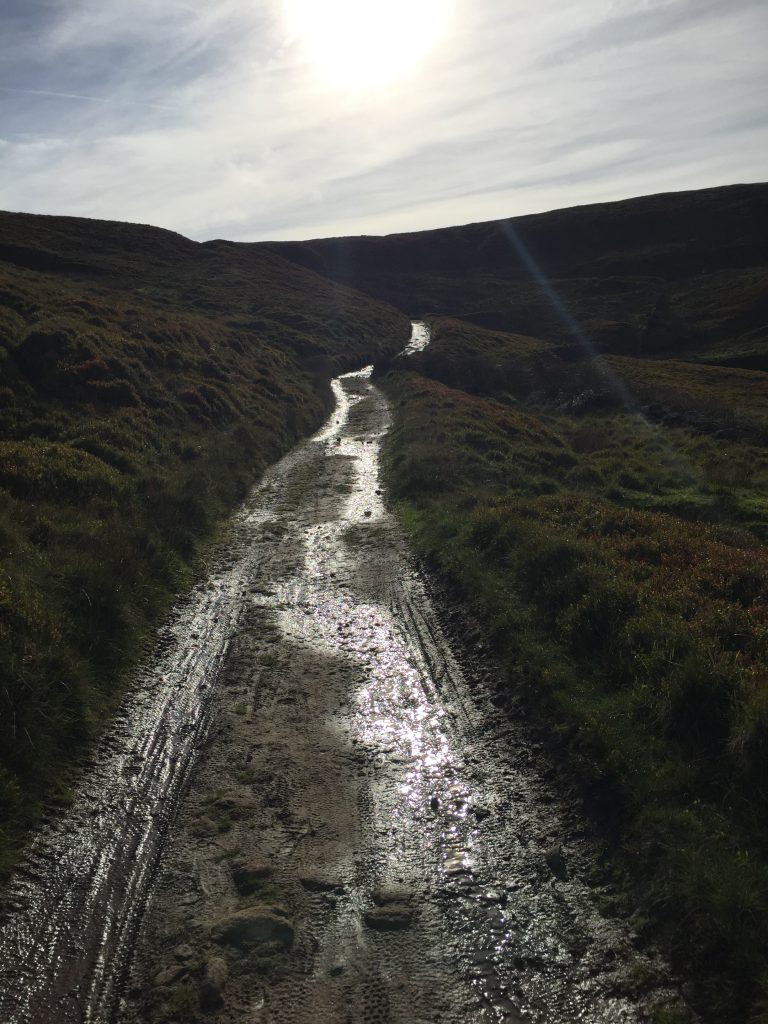
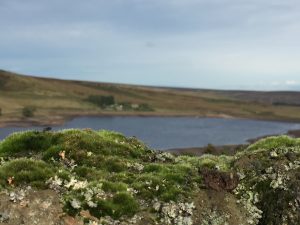
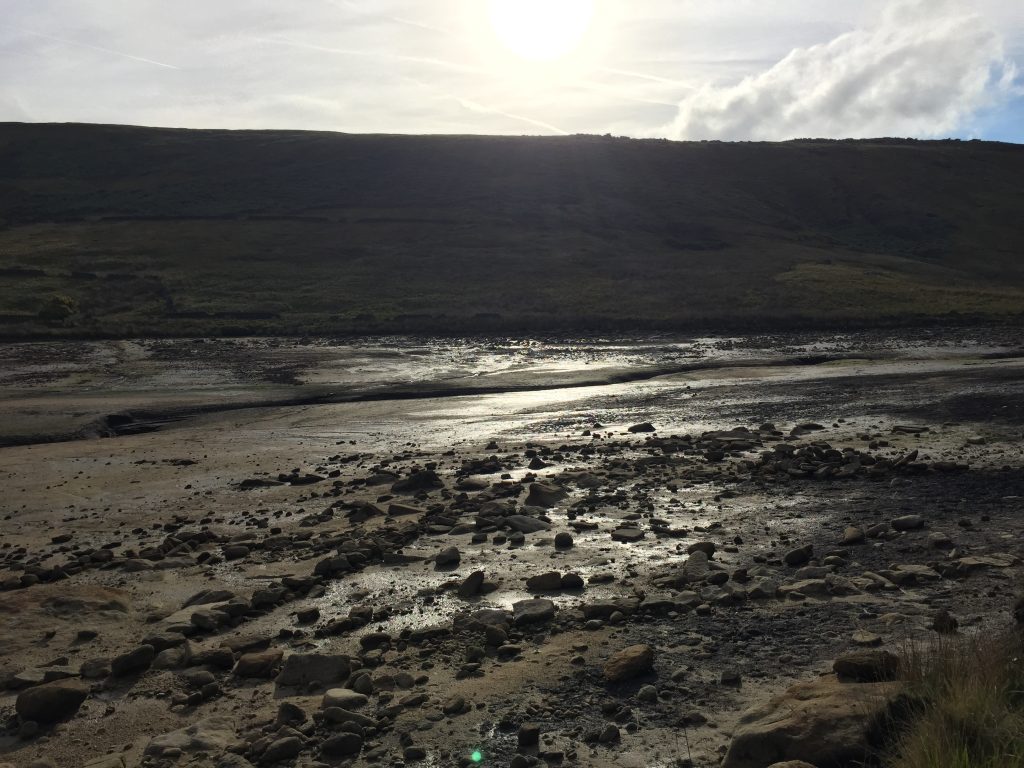
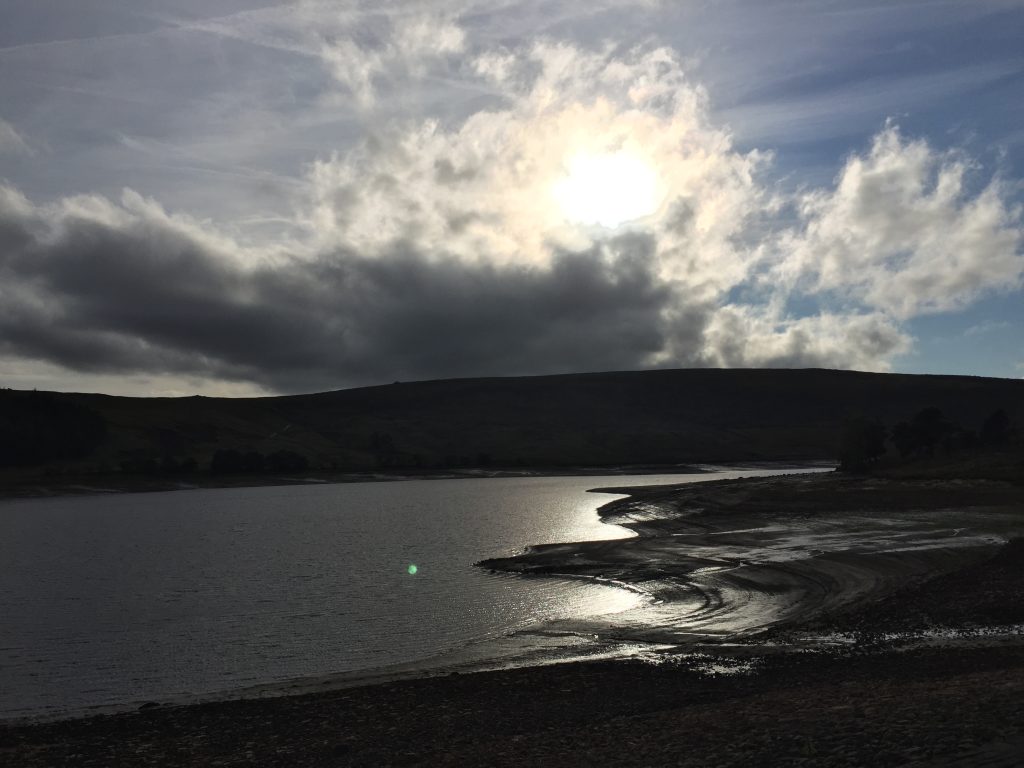
Shades of grey? No way! A wander around Widdop Reservoir

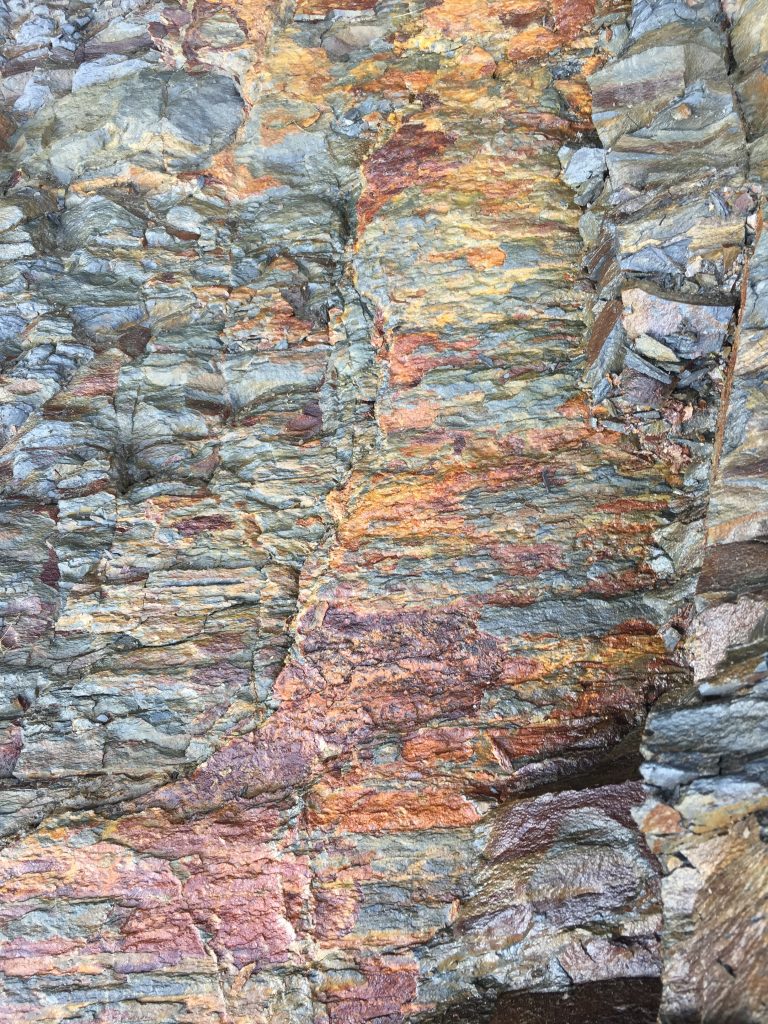
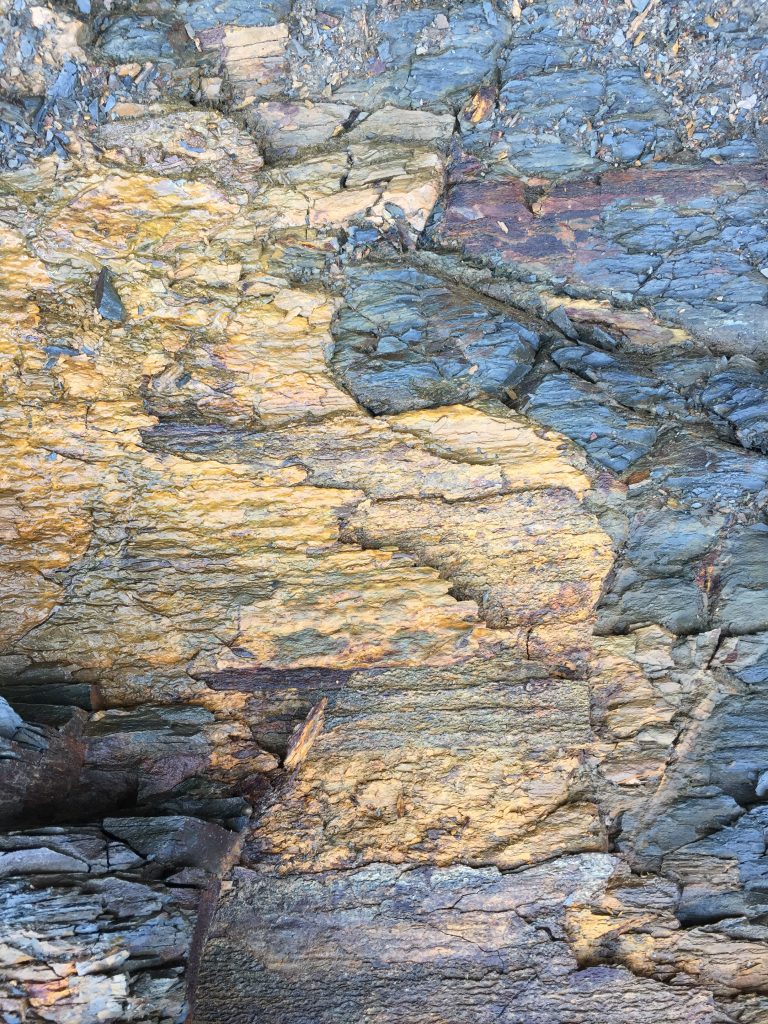
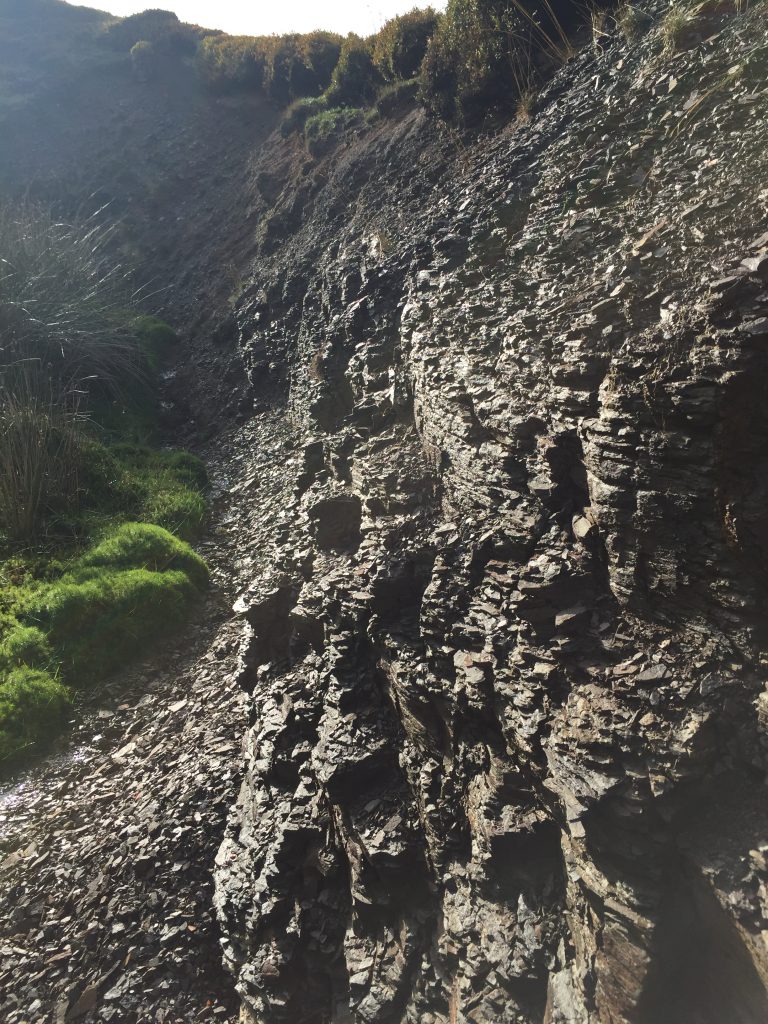
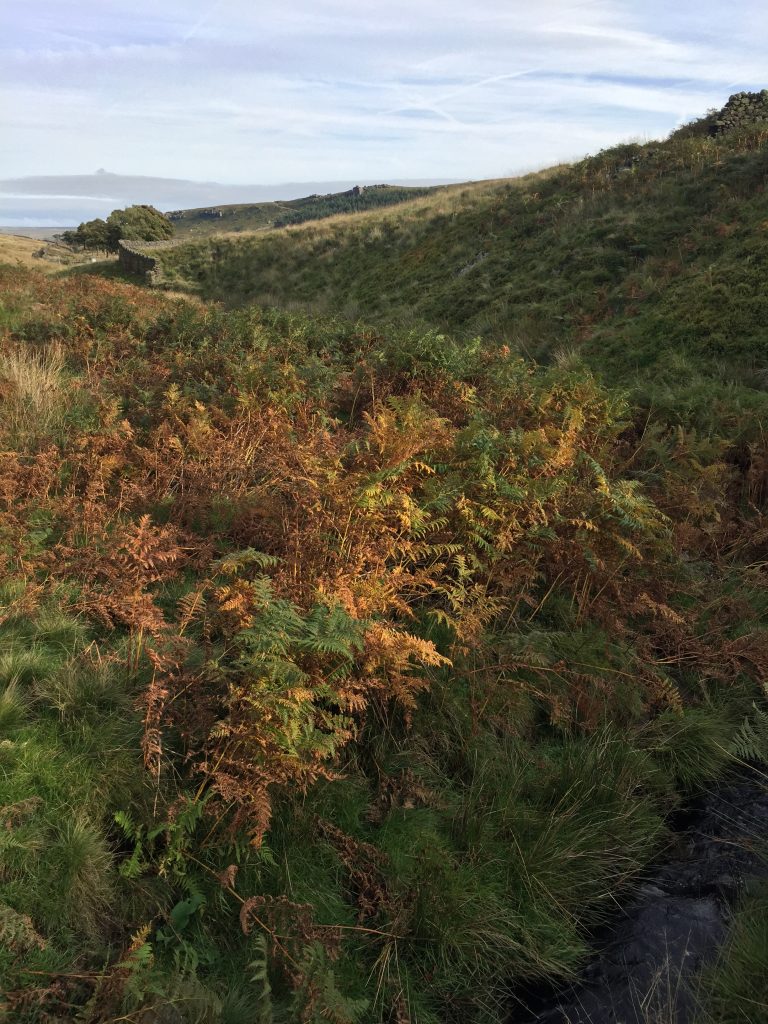
Amazing shades of shale


No filter was harmed in the making of this photograph

1000ft sheer cliff face. Actually a little gully feeding the rez

“Set sail for the Sun” Stockhausen (perfect)

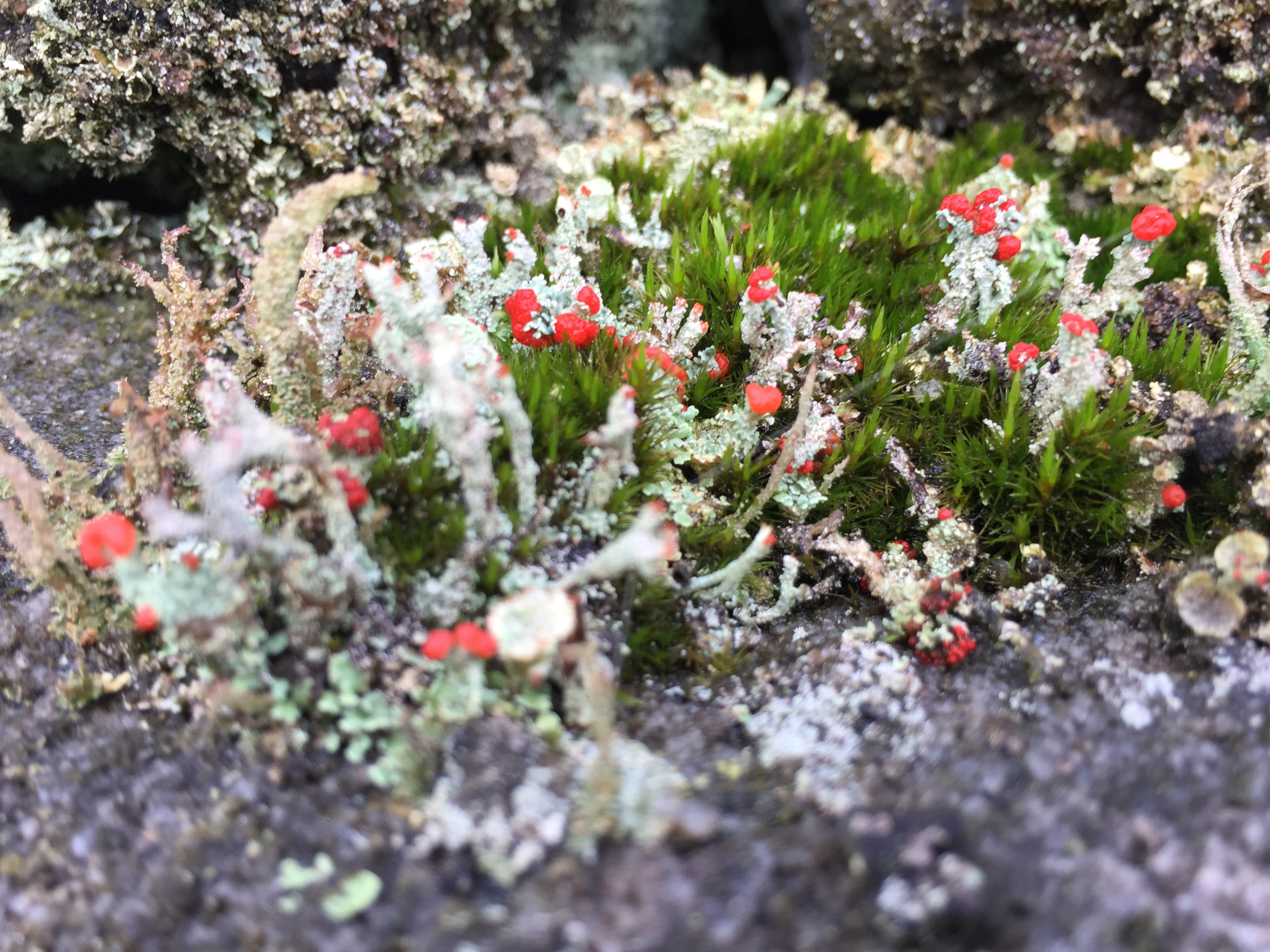
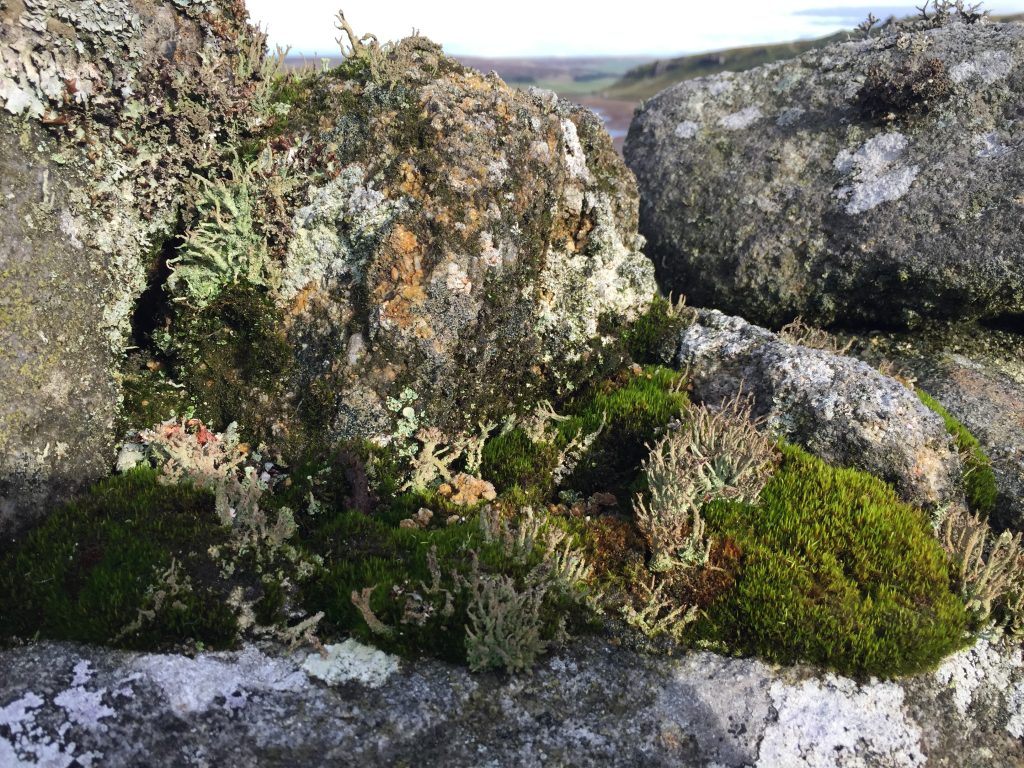
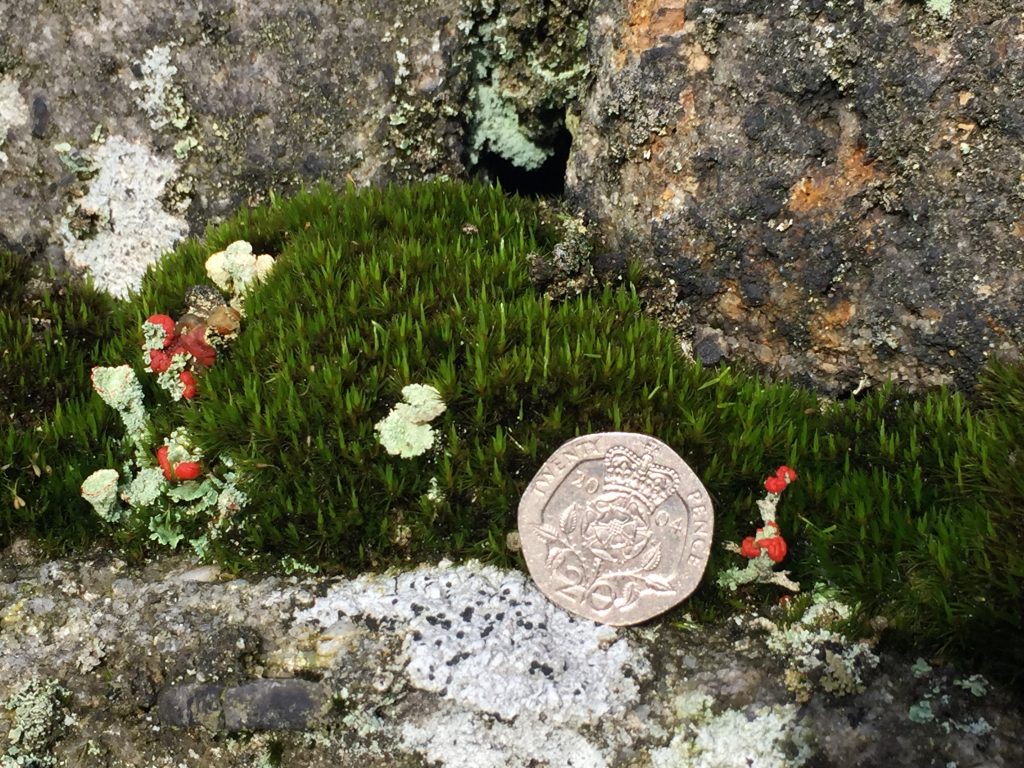
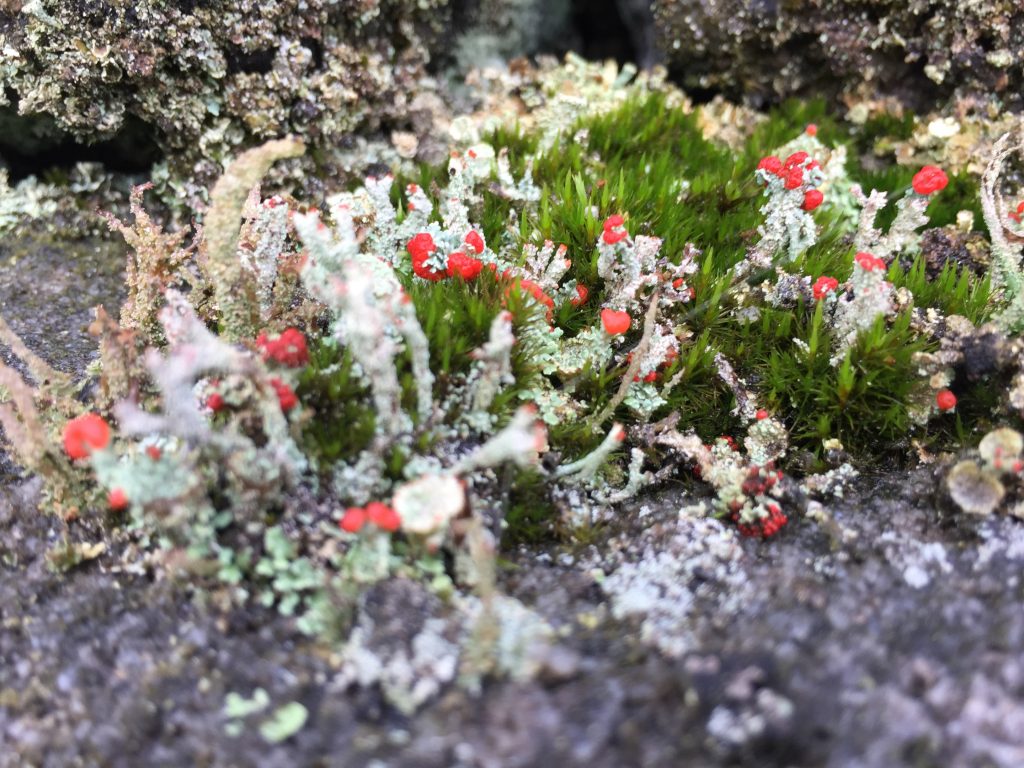
Amazing miniature rock gardens have sprouted on the stone walls around the reservoir


They look like mermaids’ gardens

Definitely tell that fall is on its way


Attending the Grand Finale of the Leeds International Piano Competition

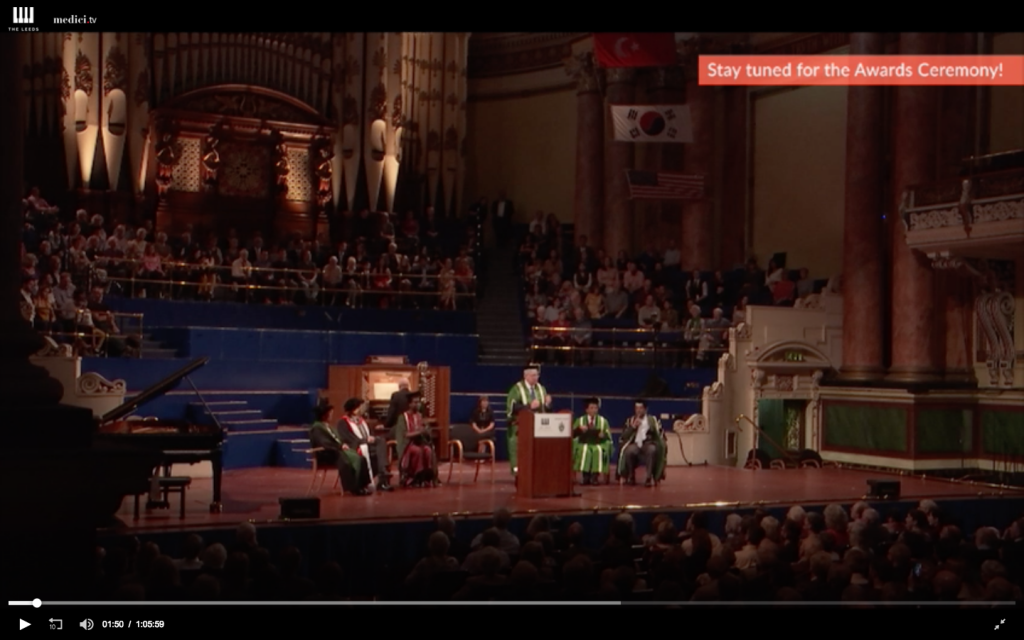
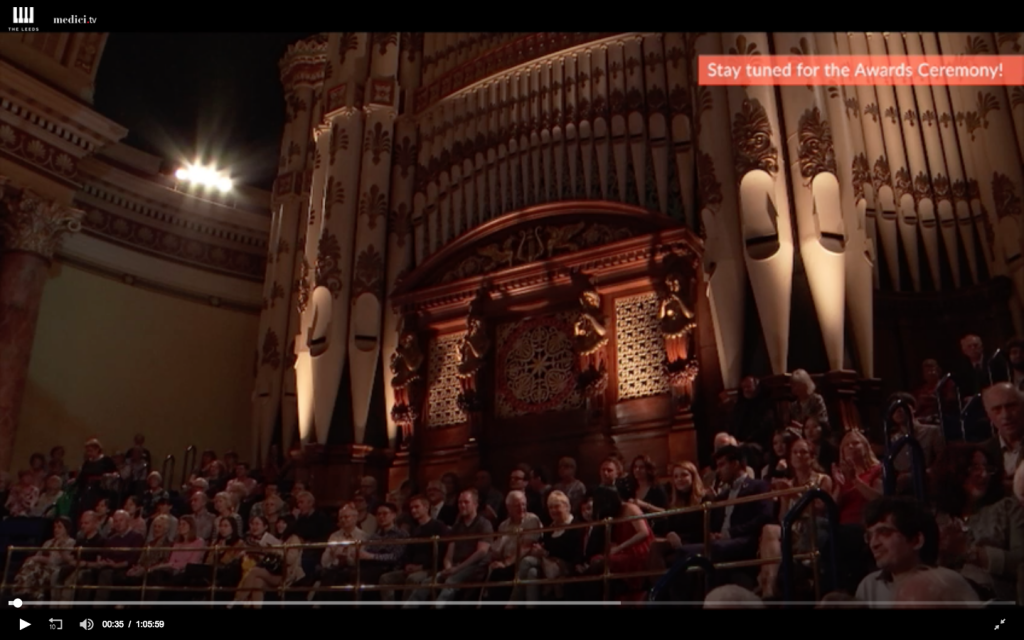
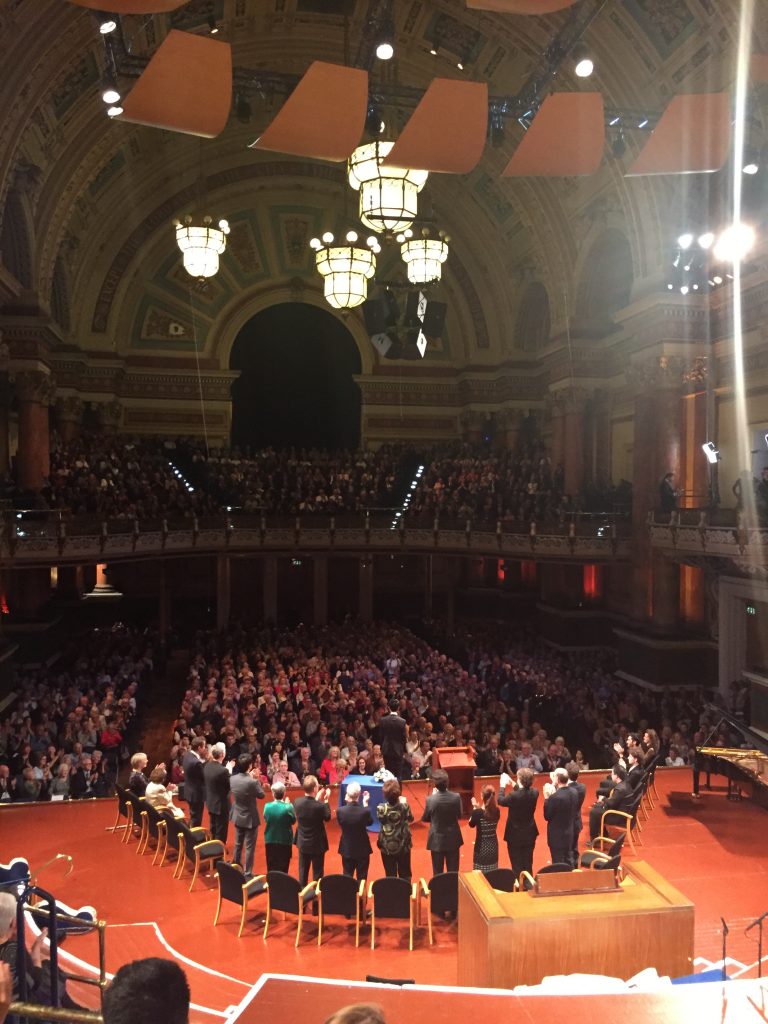
Due to the strike on Northern rail train services I only managed to arrive for the final concerto of the evening. BUT, that was a performance by the overall winner of the competition, AND I got to sit in my favourite seat just below the organ. Oran music opened the awards ceremony and I was very nearly blasted off my seat. AND I didn’t expect to see Lang Lang there presenting the prizes, so overall it turned into a rather enjoyable evening.

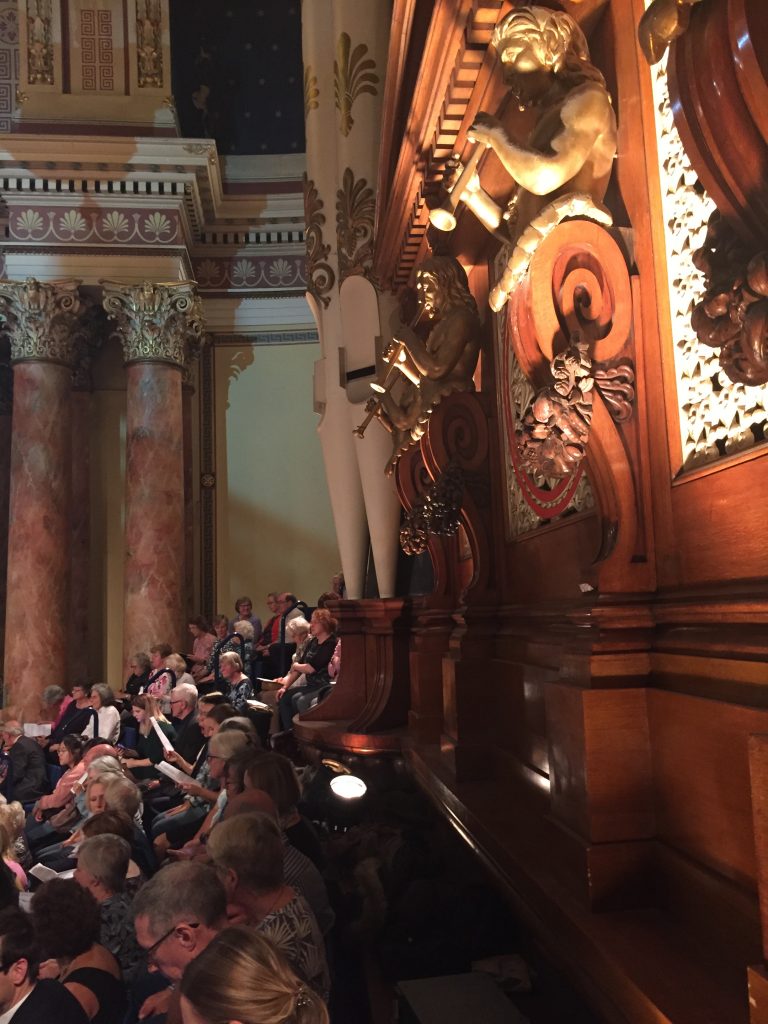
I’m sitting just beneath the floodlit organ pipe on the right

Organ music opened the awards ceremony. It nearly blasted me off my seat!

View of the organ pipes from my favourite seat in Leeds Town Hall

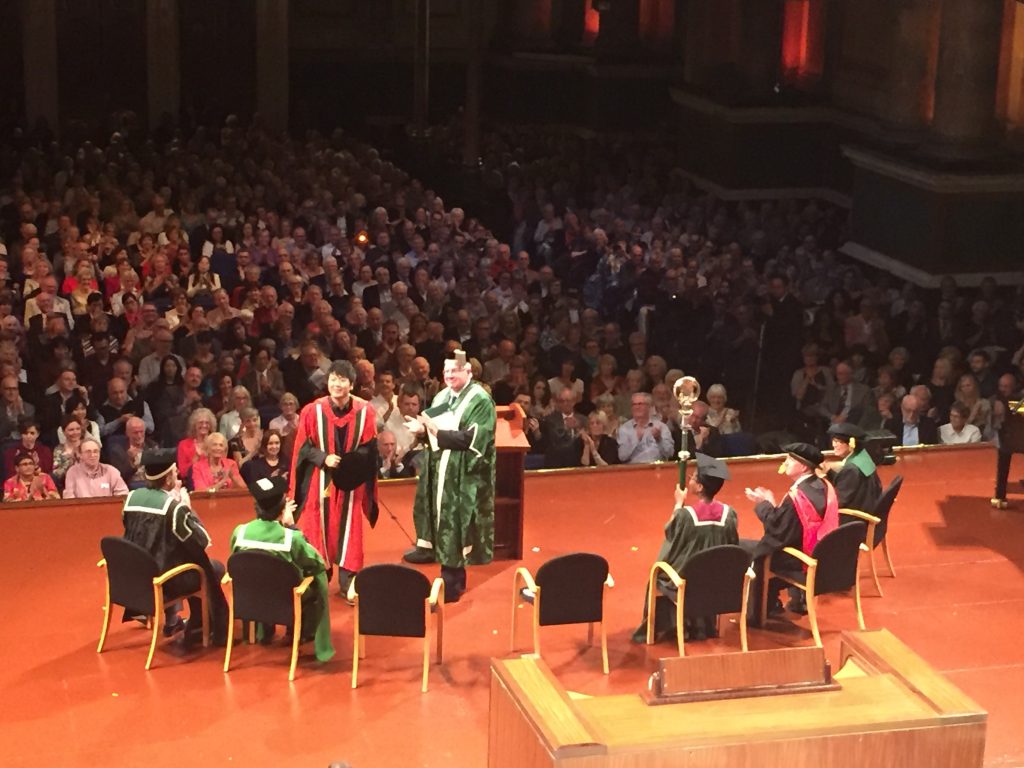
Lang Lang was awarded an honorary doctorate from Leeds University and he presented the prizes. Last time I’d seen him was in San Francisco – small world!

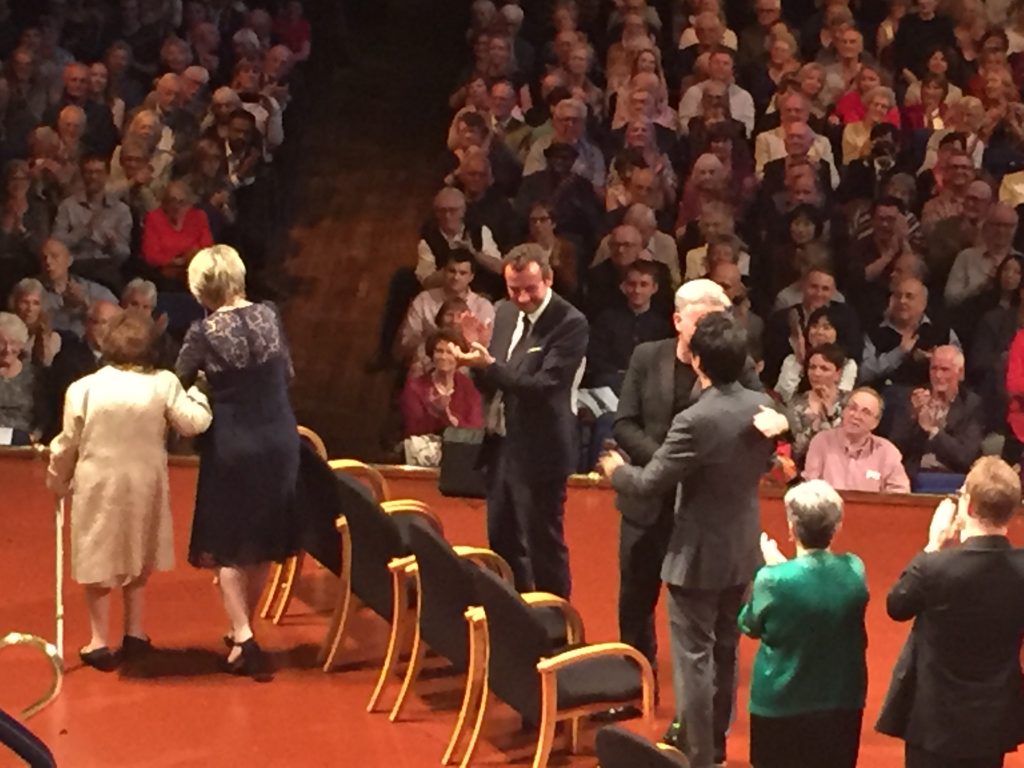
Dame Fanny Waterman, the founder of the competition in 1961, comes to the stage

Applause for Eric Lu, the 20 year old American pianist who won the overall competition. I was fortunate to see his performance of the Beethoven 4th piano concert with the Halle orchestra under the baton of the charismatic Edward Gardner

A performance of Lily Hall

This performance of Lily Hall, from my new choral work ‘7 Songs of Hebden Bridge’  was given by Hebden Bridge Little Theatre choir. The song tells the story of my great great grandparent, Elizabeth Ann Whitham  who was born  in Lily Hall, Heptonstall in 1842.

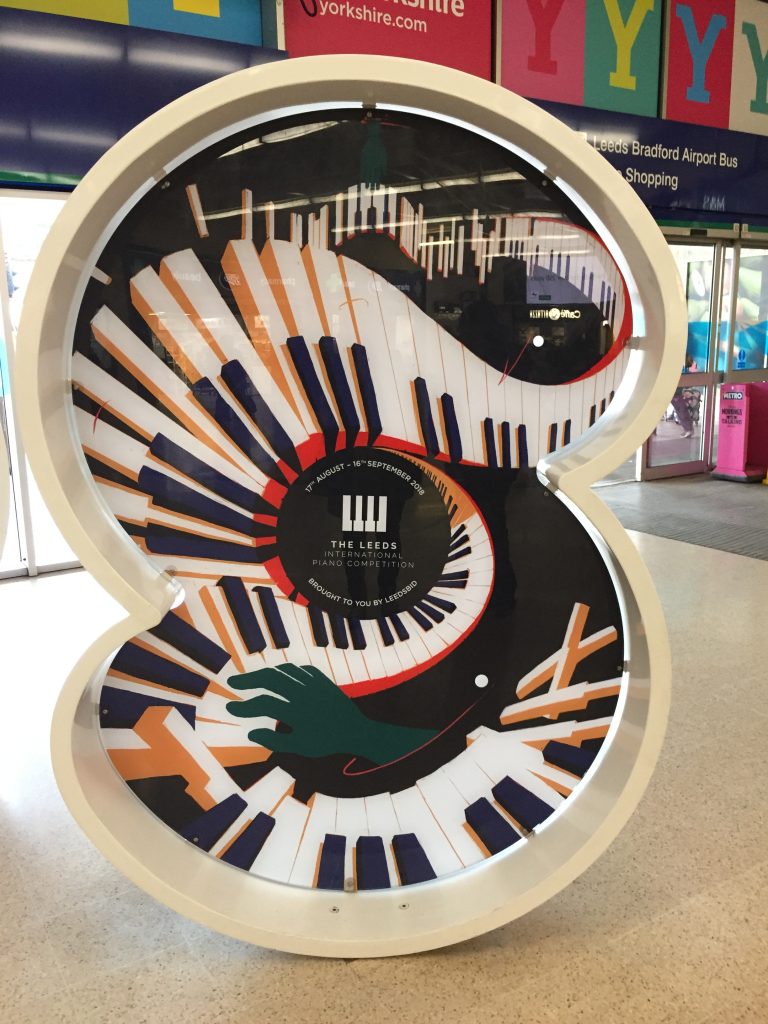
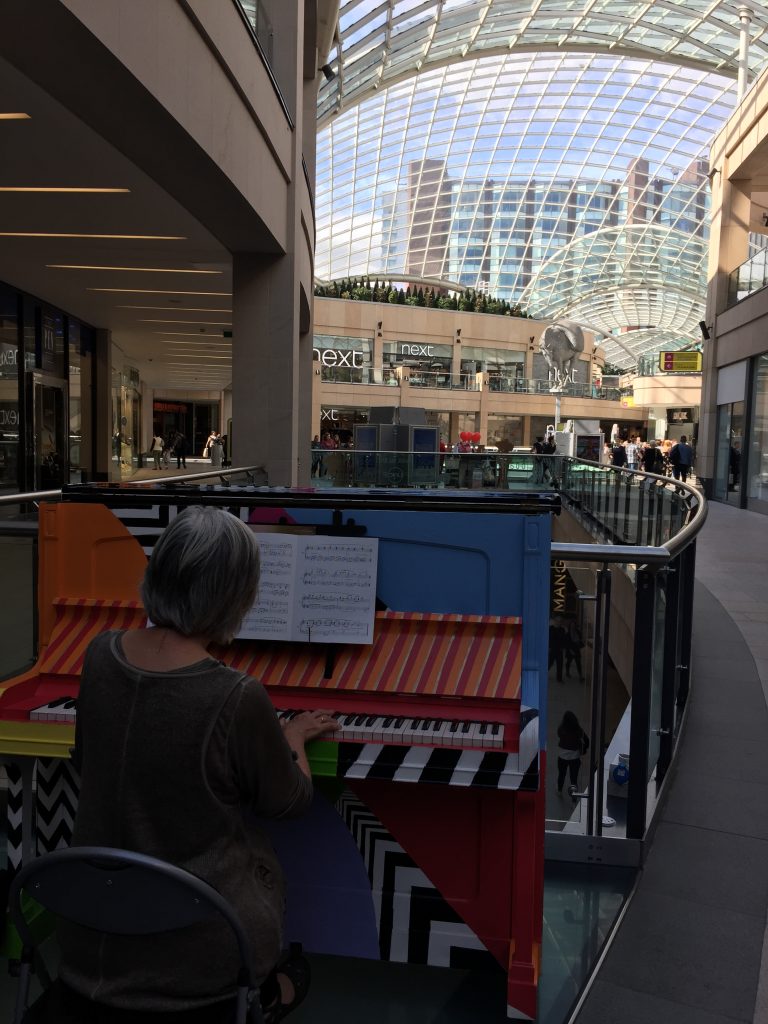
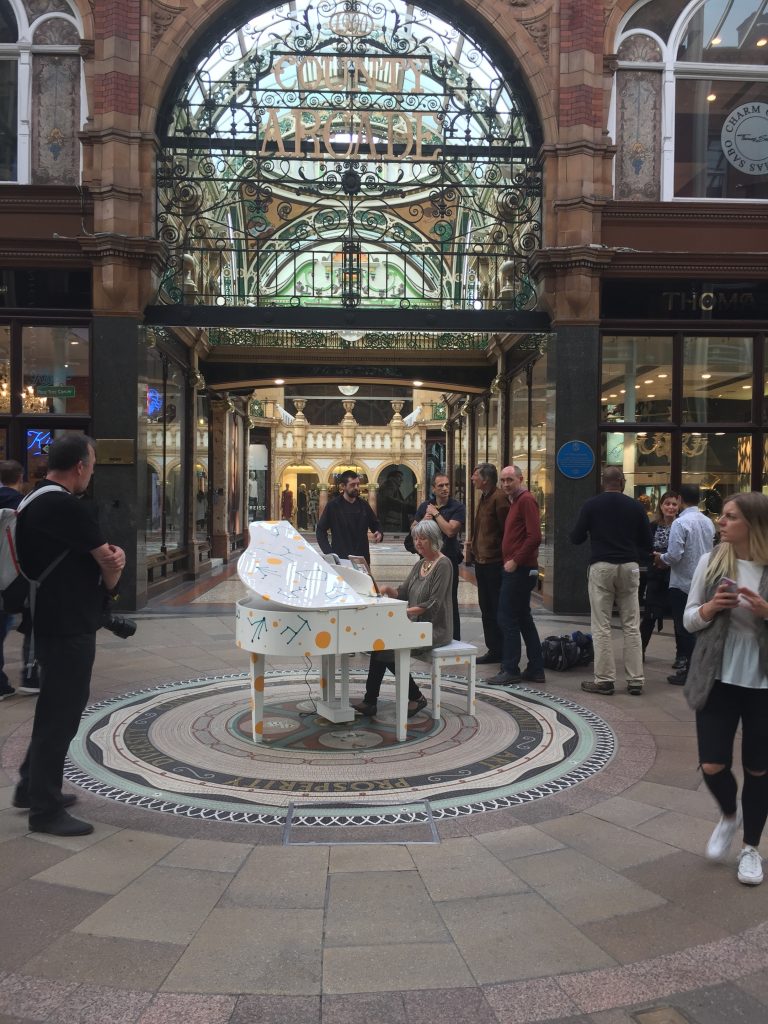
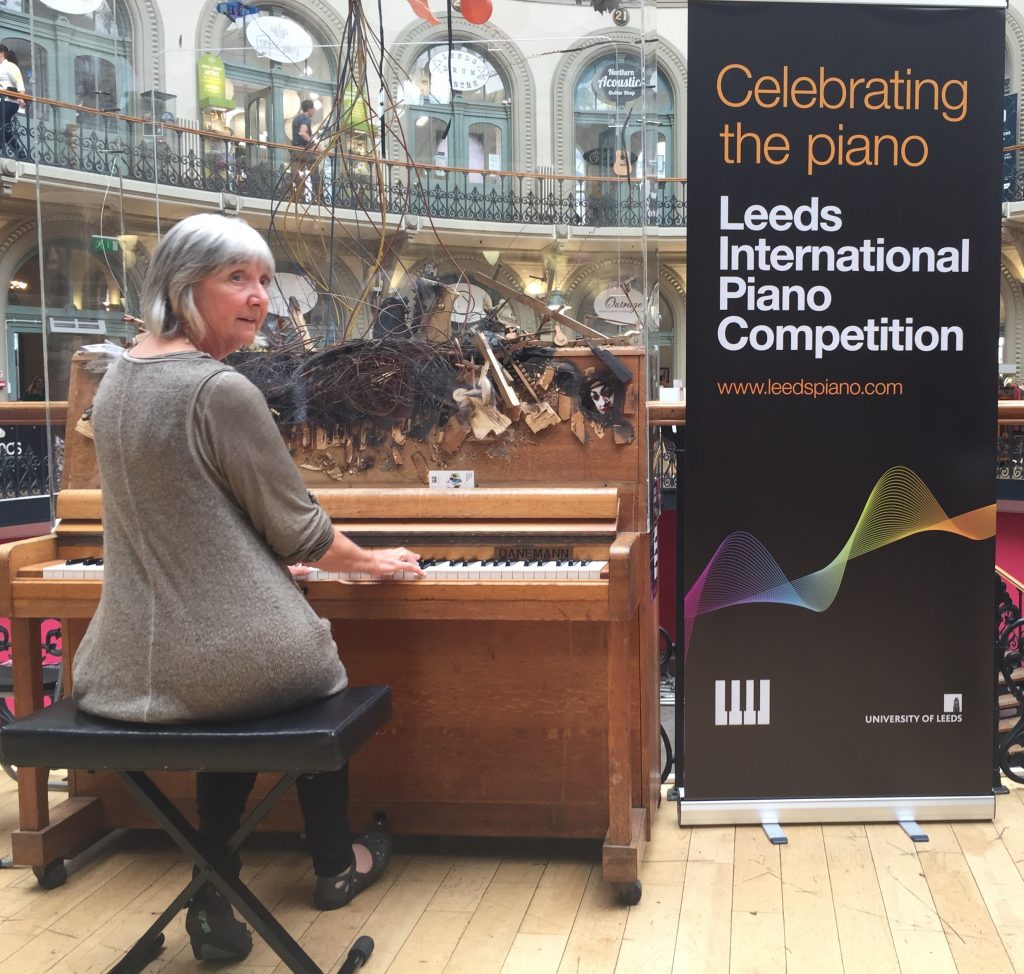
I spent the day on Saturday playing six beautifully decorated pianos stationed in various places in Leeds – including the railway station, the Corn Exchange, the Tetley Brewery. This was a fringe event for the Leeds International Piano Competition which is held in the city every three years. I joined the Let’s Play the Piano Meetup group for the first time, a group of pianists that meet monthly both in Leeds and Manchester.

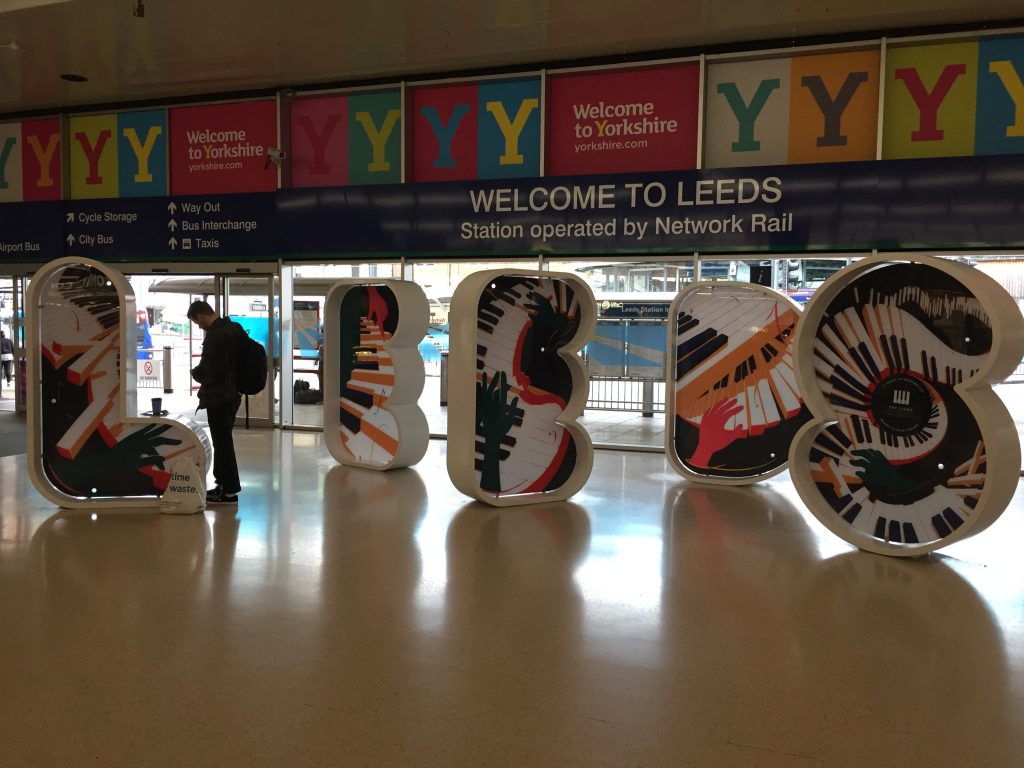
I took the train to Leeds and the first piano was in Leeds railway station. We were greeted with coffee and pastries by the organiser, Ben, but I hadn’t anticipated seeing a steam engine in full steam in the station! The whole city is buzzing with festival events and some lovely artwork had been placed in the station concourse. I played my own works from three of my published books of piano pieces:  Ghost Town Suite, They Went west and Outback.

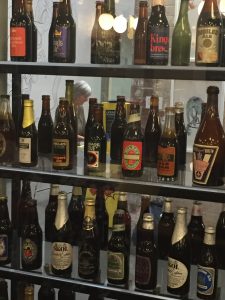
Just visible through the beer bottles at the Tetley Brewery!


Playing my piece A Night At the Opera from my Ghost Town Suite, in Leeds City centre – part of the Leeds International Piano Competition fringe festival.


14 mile hike! Yorkshire Dales

Clapham village


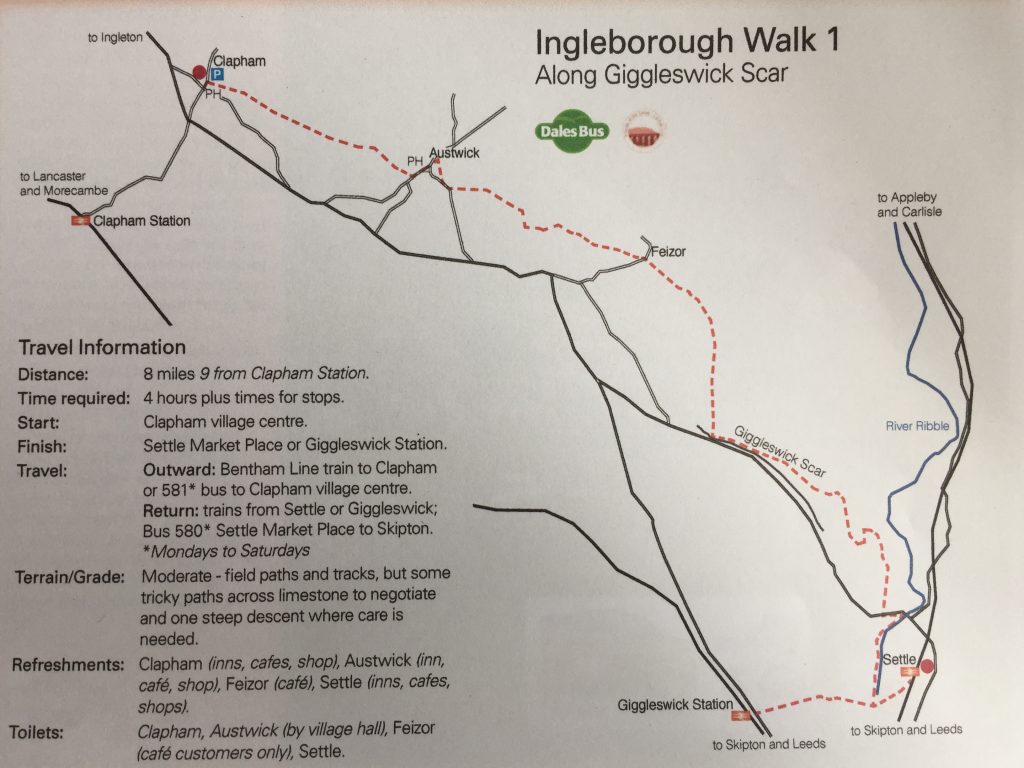
I set off at 8:30, excited to be spending the day in the Yorkshire Dales. After our lovely excursion last month I was eagerly anticipating another challenging walk. I met up with Judith at Skipton. Our train to Clapham was full to standing room only, with holiday-makers bound for a weekend getaway in sunny Morecambe. The luggage racks were filled to capacity, testament to their owners’ need to pack for all weather possibilities.

On the Pennine bridleway

Clapham station is  a mile and quarter from the village itself, a reminder coming from the clerk at the ticket booth in Hebden Bridge this morning. “It’s the second farthest station away from its corresponding village.” “And the other one is Dent where you have to climb what feels like Ben Nevis after a 12 mile hike” I rejoined, since that was our trip last month!

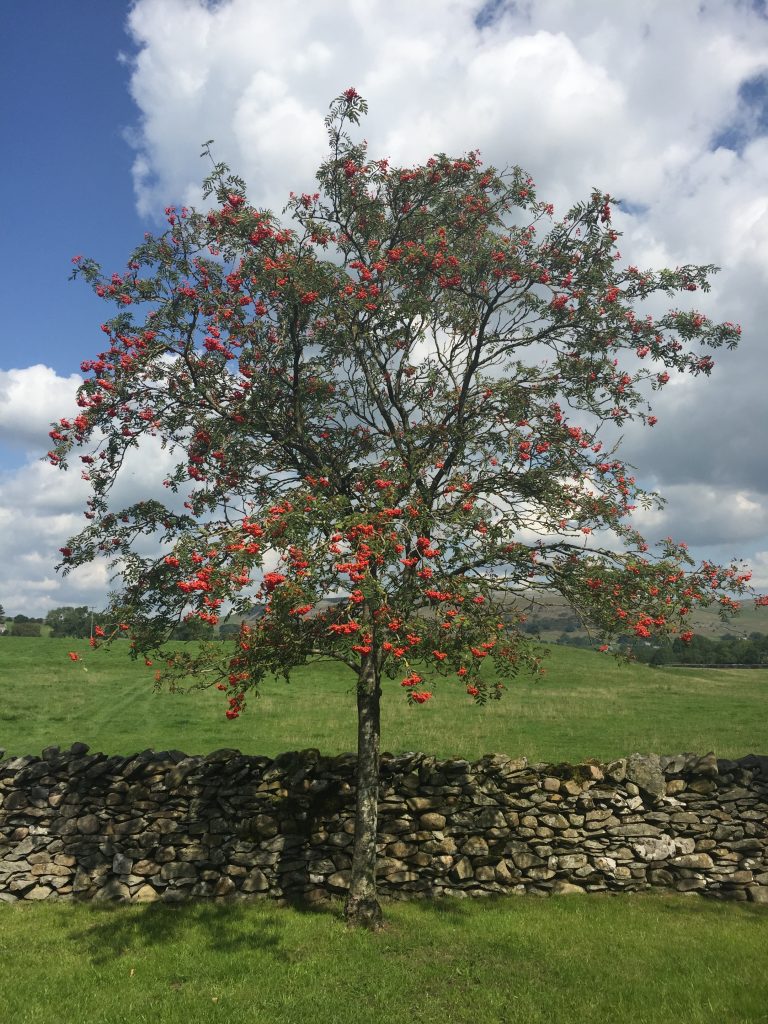
Rowan tree showing off its berries

We were very fortunate with the weather. in fact, I felt a little over-dressed for the temperature, and there was no sign of the heavy rain we’d experienced in Hebden Bridge only a few days ago. We took a well defined track out of Clapham reaching Austwick where we stopped for a drink at the local, The Game Cock Inn, sitting outside and admiring the little limestone village. From there we took the narrow Pennine Bridleway to the little hamlet of Feizor, which I’d never heard of. Unfortunately my phone had not charged overnight and I was feeling seriously limited to taking very few photos. Judith helped out my letting me use her camera from time to time but I was disappointed not to have my camera to hand at every available opportunity.

Lunchtime – Naptime

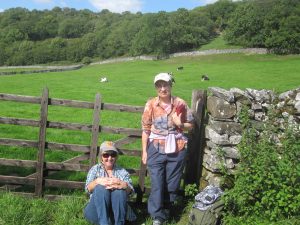
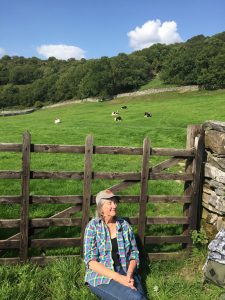
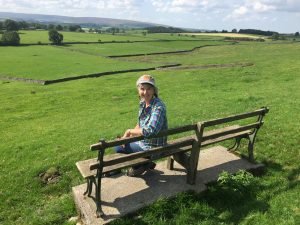
We stopped for our picnic beside a gate and I could have easily sat and soaked up the view and the quiet for another half hour.

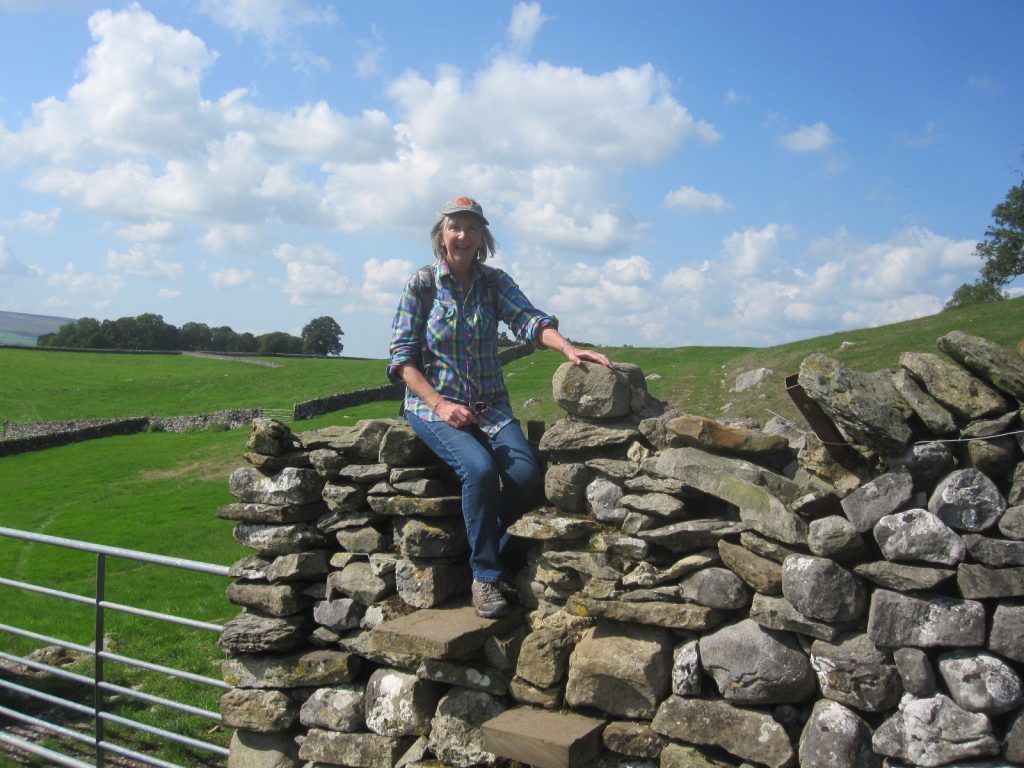
Lots and lots of stiles that were well camouflaged in the limestone walls

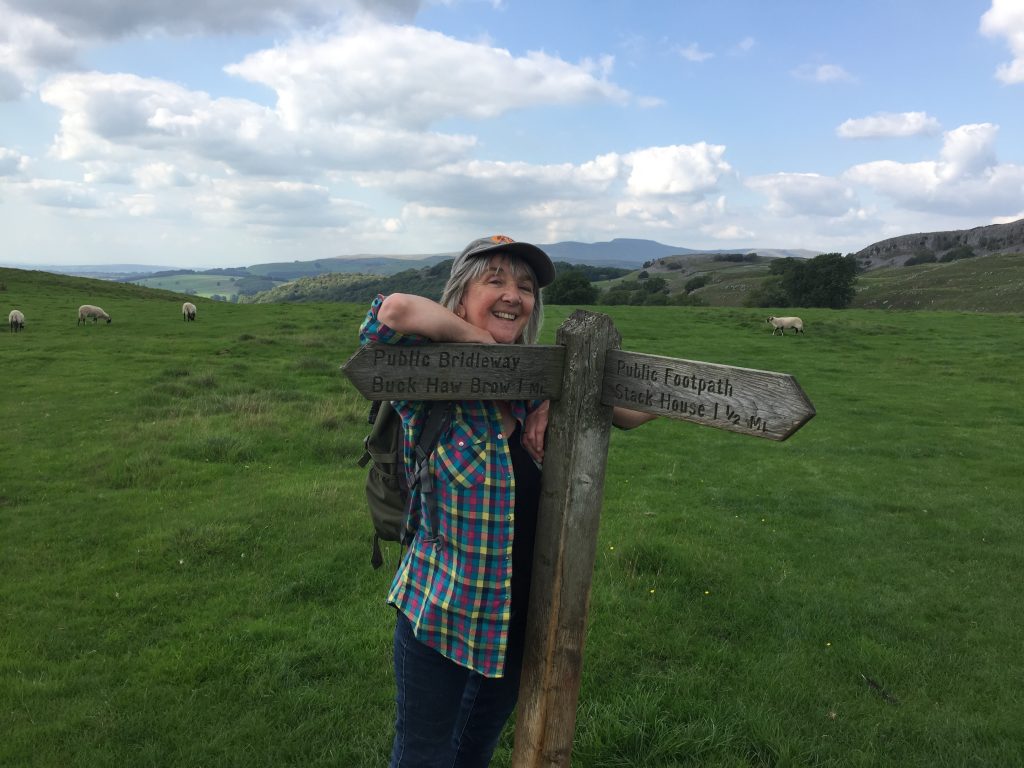
We followed the track marker signed Stackhouse which climbed steeply through sheep and cow pastures and reached a signpost.

Is that Ingleborough in the distance?

Soon after this we got lost – for the first time. The description of the walk in our guide book was somewhat confusing and we found we had to backtrack quite a way, involving a steep uphill climb. I was kicking myself that my phone was not recording all these ‘steps’ and ‘flights.’ They would have added considerably to my August average, this being the last day of the month! But backtracking we did find the sheepfold that we should have spotted earlier and  soon we reached the edge of Buckhaw Brow with the road in gorge below.

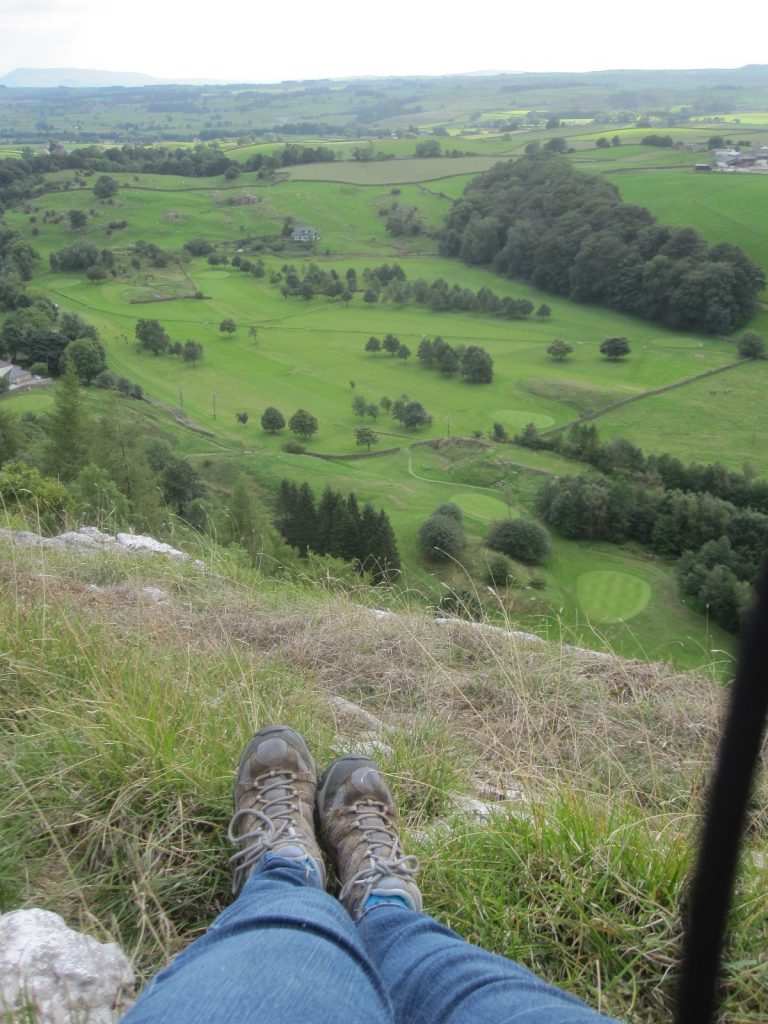
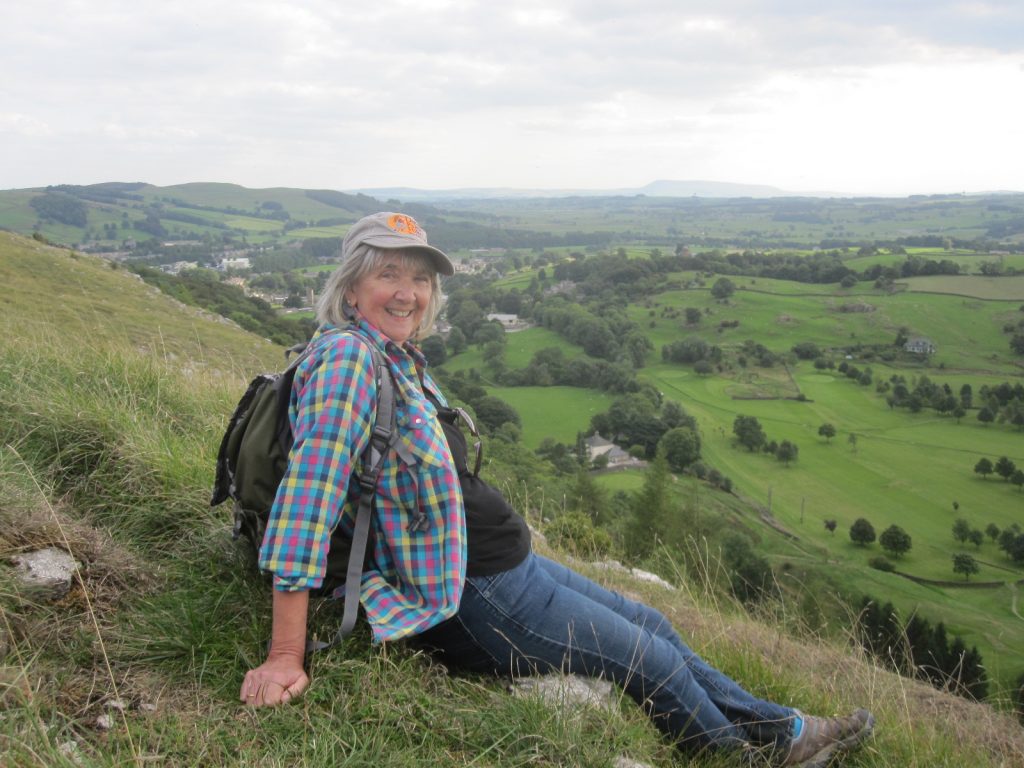
There’s a sheer cliff below my feet, Giggleswick Scar

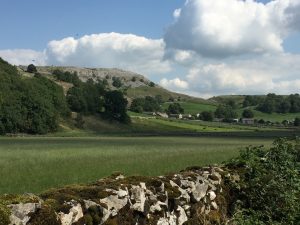
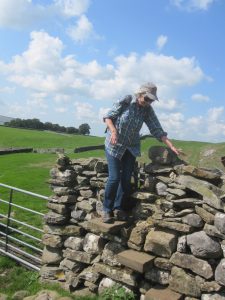
We walked along the length of the scar, being careful not to twist our ankles on the limestone pavement which, unlike the pavement above Malham Cove, has been partially obscure by grass, making the grikes much more treacherous. We had wonderful views of Giggleswick quarry but, whoops, we were on the wrong side of it, and had to retrace our steps again until we had circumvented the rim and could follow a steep track over loose stones down into the woodland of the valley.  This involved me climbing a 5 barred gate, and though Judith had scaled it before I even looked up, I, on the other hand, as those of you who know me, struggled and heaved and hawed and screamed and cried, ‘I can’t” for at least 20 minutes, which is a vast improvement on my time taken at Ingleborough with Rachel three years ago!!!

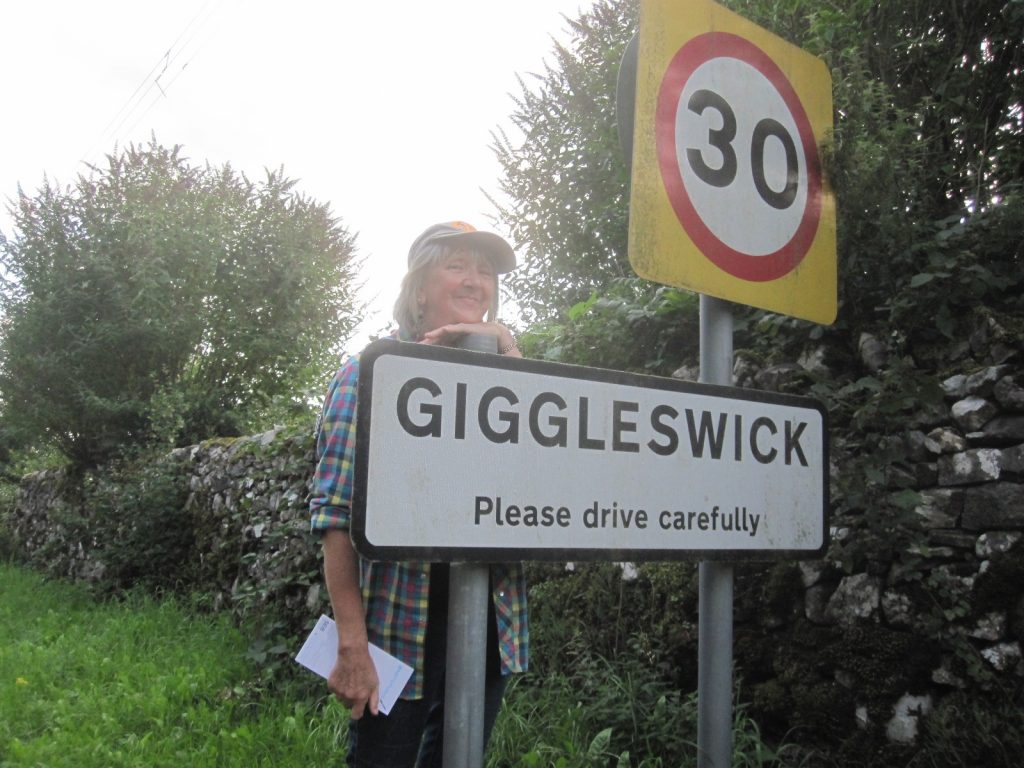
Couldn’t resist stopping for a giggle!

On our way down  we met a couple of guys and sought confirmation that we were indeed now on the correct path for Settle. Yes, we were, but did we know that the last train of the day from Settle had already left? I produced cell phones to confirm this fact. We had no alternative but to carry on regardless of this information.

The River Ribble, by whose side I had walked in Preston 2 days ago, divides Settle from Giggleswick, and much though I’d have liked to saunter and stay awhile we pressed on, now a little unsure of homeward plans. By the time we got back into civilisation my feet were causing a minor rebellion but we headed for the railway station. Lo and behold there were lots of people there, waiting for a train going in our direction. There were lots of signs and timetable about the following day’s trains – yes, Northern are on strike for the next 6 Saturdays, but no indication of cancelled trains today, and within 5 minutes a train appeared. We jumped on and  two and a half hours later I was ordering an Indian takeway in Hebden Bridge. 14 miles, 12 hours, and looking forward to next month’s adventure!
Climbing to the top of Iona

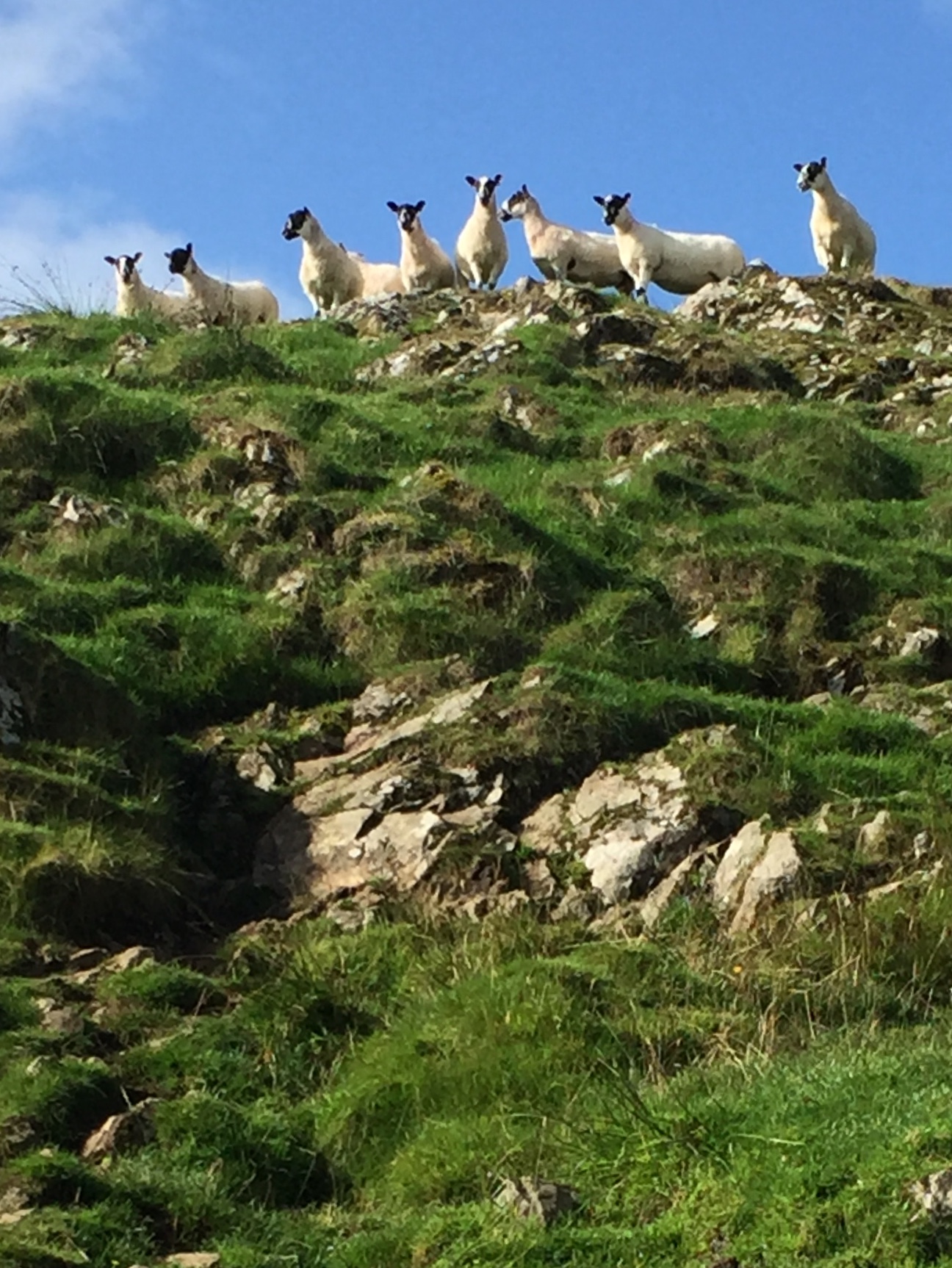
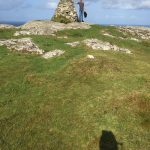
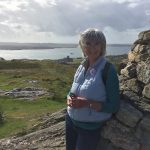
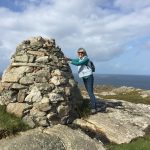
IMG_9001It was bright and sunny when I woke and the fine weather urged me to get out and about. When I’d walked to the northern tip of the island I’d passed a high outcrop of rock marking Iona’s highest point and I could just make out a couple of people by the cairn, so this seemed a good plan for a hike. Again, there was no signpost to guide us from the paved road.  Soon we were scrambling up a path that was more of a sheep track than a
footpath in places. The makers of the said track eyed us suspiciously, watching our shenanigans with amusement, or was it pity? There was a large cairn on top, and yes, the view was indeed wonderful. Just slightly west of north I could pick out a distant island – possibly Tiree. It was quite wet underfoot and going down I had to resort to my ‘Heather special’ – sliding down on my bottom rather than risk going head over heels on the slippery grass. We had fine views of the abbey far below us and I wondered idly if the monks and nuns ever came to this very spot. I’m sure they must have – “nearer my God to thee.”

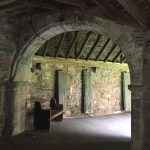
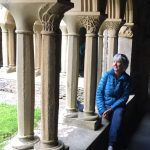
By the time we got down to sea level again it was still only 11:30 but we decided on a very early lunch at the Martyr cafe which seems to be perched on the ocean when you’re inside, and retired for an hour before visiting the abbey – this time by daylight. Many of the capitals in the cloister have been newly carved with surprising modern scenes. Several portraits appeared to be African.

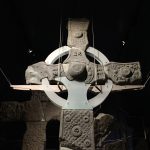
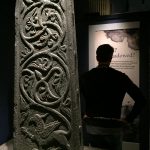
For me the highlight was the museum containing the broken remains of several ancient Celtic crosses held in place by ultra

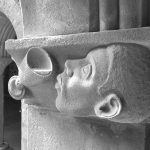
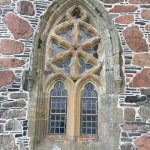
modern contraptions of metal and glass, forming a wonderful contrast to the ancient carvings. All this  was highlighted by dramatic lighting looking more like a stunning lighting set for a modern drama than a traditional museum. Some of the grave slabs were carved in the 1300s representing knights of the MacKinnon family, and they were very well preserved. Other satellite chapels had sprung up around the church. One, Michael chapel, was constructed in the 1200s and featured wonderful piscina arches with statues of heads weathered until this look decidedly ghoulish.

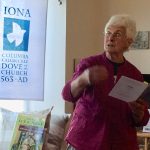
I inquired at the bookshop about the writing of the Book of Kells. I’d grown up with an awareness of this illuminated manuscript of the gospels after doing a project about religion and art in high school, and when I was in Dublin earlier this year I’d hoped to see the original book but the museum was closed. Written around the 800s at Iona the book had been taken to Kells, Ireland for safekeeping to protect it from the Viking invasion. Though the Vikings couldn’t read they knew a valuable artifact when they saw one! I saw a poster advertising a talk about this book, starting in an hour, so off I trotted. About twenty people were gathered in the bookstore to hear Jan Sutch-Pickard talk about her sabbatical learning about the making of the book and how she uses the information that she gleaned in her own poetry. I discovered that the blue coloured paint used in the book is made from ground up lapis lazuli (I have a jewelry set of that stone) which could only have come from Afghanistan – in the 800’s! Ultra-marine actually means from ‘beyond the sea, or from beyond these shores.’ Some people believed that the book had IMG_9086been written by angels, so intricate is the workmanship. THAT would certainly have been from some other world. Jan had also visited the extensive library at Cheetham school in Manchester, which I’ve visited, as part of her research. Apparently ancient books should not be stored on oak shelves, because the oak is a living organism. They should be stored on steel shelving. How dull! This research has resulted in the entire library at Iona being rethought.
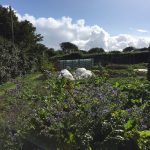
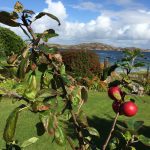
I headed back passing St Oran’s chapel, the oldest intact structure on the island being built in the 1100s. I wanted to take a look around the extensive organic gardens, the perimeter of which I’d passed several times each day. The gardens are open for anyone to walk through and the produce is for sale to the public, but also used in the kitchens of the 2 hotels. I had been very surprised to see so much fruit on this remote Scottish island and here the boughs of the apples trees were bending low with the weight of their bright red fruit. Rows upon rows of veggies, neatly raised and well weeded, stretched almost down to the pier. Amazing!

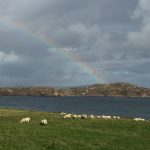
I stopped off at the Argyll and ordered a Thistle cider just to be able to sit in the hotel’s garden overlooking the Sound of Mull. After 20 minutes or so the wind grew fierce and

as I headed by to the St Columba Hotel a faint rainbow joined Iona to its big sister. We had dinner in the hotel then strolled down to the Martyr’s cafe for a cup of tea before returning to the hotel to back for the long trip home tomorrow.

IMG_9147

All set for dinner

« Older posts Newer posts »